Fall Fertilization for Urban Trees
Posted on: 2026-05-08
By: Keira Vallejo
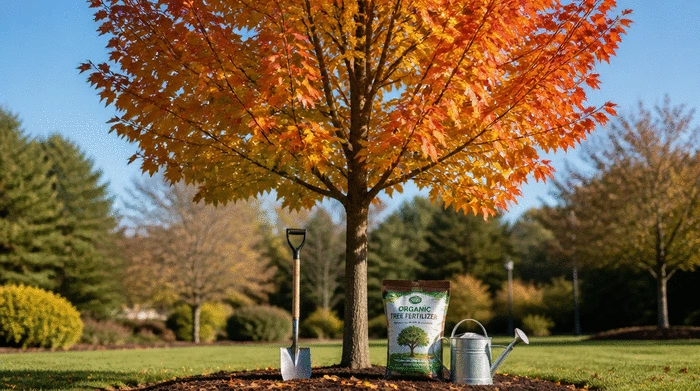
As urban environments become increasingly challenging for tree health, understanding the significance of fall fertilization is crucial. This practice not only fortifies trees against harsh winters but also promotes resilience for the upcoming growing season.
What You Will Learn
- Fall fertilization enhances root structure, leading to better stability and health for urban trees.
- Applying fertilizer in late fall allows trees to effectively absorb nutrients as they prepare for dormancy.
- Understanding urban stressors such as soil compaction and pollution helps in tailoring fertilization strategies for better tree health.
- Prioritizing soil health with practices like aeration and mulching can significantly improve nutrient uptake and tree resilience.
- Organic fertilizers not only provide essential nutrients but also support a balanced ecosystem in urban settings.
Key Takeaways on Fertilization Strategies for Urban Health
Here are the important aspects of fall fertilization strategies for urban trees:
Timing
Aim for late fall when soil temperatures stay above 40°F.
Species-Specific Needs
Different trees have unique timing and needs for fertilization.
Application Methods
Utilize deep-root injection for effective nutrient distribution.
Fertilizer Types
Choose between granular and liquid based on tree needs.
Soil Health
Aeration and mulching enhance nutrient uptake.
Understanding Fall Fertilization for Urban Trees
As the crisp air of autumn sets in, it’s time to think about how we can support our urban trees. One of the best ways to do this is through fall fertilization. This practice not only strengthens roots but also improves winter hardiness. By ensuring our trees have the nutrients they need, we can help them survive and thrive through the colder months.
Fall fertilization plays a crucial role in preparing trees for the challenges of winter. Healthy roots can absorb moisture and nutrients more effectively, which is vital as trees enter dormancy. In fact, trees that receive proper fertilization in the fall are often more resilient against harsh weather conditions, pests, and diseases in the spring!
Importance of Fall Fertilization Strategies for Urban Trees
Why is fall fertilization so important for urban trees? For starters, it helps strengthen the root system, promoting better growth and health overall. When trees are well-fed, they are better equipped to face environmental stressors and the challenges of urban living, such as pollution and limited space. You might also consider seeking professional tree care to get tailored advice.
Also, fall is an opportune time for fertilization because trees start reallocating energy to their roots as they prepare for winter. This means that any nutrients applied during this time can be effectively absorbed, leading to improved nutrient storage for the upcoming spring growth.
- Enhances root structure for better stability.
- Increases winter hardiness, reducing frost damage.
- Supports overall tree health and resilience.
Frequently Asked Questions
- Why is fall fertilization important for urban trees?
Fall fertilization strengthens the root system, improves winter hardiness, and supports overall tree health, making trees more resilient to urban stressors.
- When is the best time to fertilize trees in the fall?
The best time is in late fall when soil temperatures stay above 40°F, allowing trees to absorb nutrients effectively as they prepare for dormancy.
- What are common urban stressors that affect tree health?
Common stressors include soil compaction, nutrient competition, pollution, and climate factors like drought and heat waves.
- How does soil health impact urban trees?
Healthy soil provides better nutrient availability and moisture retention, supporting strong root systems and overall tree resilience.
- What are some sustainable practices for tree care?
Sustainable practices include using organic fertilizers, composting, engaging with local communities, and participating in tree planting events.
Common Urban Stressors Impacting Tree Health
Urban trees face unique challenges that can affect their health and growth. Common stressors include soil compaction, which reduces root penetration and moisture retention. Additionally, competition for nutrients from surrounding plants and pollution can exacerbate these issues.
Climate challenges also play a role, with increased temperatures and drought conditions putting extra stress on our trees. By understanding these stressors, we can take proactive steps to mitigate their impacts through effective fertilization strategies.
- Soil compaction leading to restricted root growth.
- Nutrient competition from urban flora.
- Pollution affecting tree health.
- Climate factors like drought and heat waves.
The Role of Soil Health in Urban Forestry
Healthy soil is the foundation for thriving urban trees! When we focus on improving soil health, we encourage better tree growth and resilience. Nutrient-rich soil supports effective root systems, allowing trees to absorb what they need to flourish. Improving urban soil for trees, is one of the best approaches to tree care.
Moreover, investing in soil health can lead to enhanced biodiversity in urban environments. Healthy soil fosters beneficial microorganisms and supports the natural ecosystem, which in turn benefits our trees and enhances urban greenery.
- Improved nutrient availability for trees.
- Enhanced moisture retention capabilities.
- Support for a diverse urban ecosystem.
Pro Tip
Did you know? Applying a slow-release fertilizer in the fall can provide a steady supply of nutrients throughout the winter months. This not only supports root development but also helps trees prepare for a vigorous spring growth. Consider using fertilizers with a higher phosphorus content to boost root establishment!
Summarizing the Impact of Fall Fertilization on Urban Trees
As we wrap up our discussion on fall fertilization, it's essential to highlight the key strategies that can transform the health of urban trees. Proper timing, effective methods, and the numerous benefits of applying fertilizers in the fall are critical components that every urban tree caretaker should know. Remember, a healthy tree in your neighborhood not only beautifies the landscape but also contributes significantly to the community's well-being!
To summarize, successful fall fertilization involves understanding the specific needs of your trees, the right timing for application, and the best methods for your unique urban setting. By focusing on these aspects, you can ensure that your trees are better prepared to face the challenges of winter and emerge stronger in the spring. It's truly a rewarding process that fosters healthier urban forests!
Key Takeaways on Fertilization Strategies for Urban Health
Here are some key points to remember about fall fertilization strategies for your urban trees:
- Timing is crucial! Aim for late fall when soil temperatures stay above 40°F.
- Consider species-specific needs, as different trees have unique timing for fertilization.
- Utilize deep-root injection methods for effective nutrient distribution.
- Choose between granular and liquid fertilizers based on your tree's needs and your application preferences.
- Don't forget about soil health! Aeration and mulching can enhance nutrient uptake.
These strategies will not only improve your trees’ resilience but also promote a vibrant ecosystem in your community. By following these practices, you're investing in the future health of your urban landscape! Choosing trees for your climate is also a great way to improve resilience.
Encouraging Sustainable Practices for Tree Care
As we think about our approach to tree care, it's vital to embrace sustainability. Consider using organic fertilizers, which enrich the soil naturally and support overall ecosystem health. Not only do they provide essential nutrients, but they also help maintain a balanced environment for beneficial organisms in the soil.
Here are some sustainable practices to consider for urban tree care:
- Choose organic fertilizers that promote long-term soil health.
- Incorporate composting into your fertilization routine to recycle nutrients.
- Engage with local communities to share best practices and learn from one another.
- Participate in tree planting and care events to foster community engagement.
By adopting these sustainable practices, you not only nurture your trees but also contribute to a greener, healthier urban environment. As part of the Urban Canopy Blog community, I believe we can all make a difference, one tree at a time!
Call to Action: Invest in Your Urban Trees’ Future
How to Get Started with Your Fall Fertilization Plan
Ready to give your urban trees the care they deserve? Start by evaluating their specific needs—take a close look at your trees’ health and soil conditions. You might want to consider reaching out to professional arborists for guidance or exploring DIY options that suit your capabilities!
Here’s a simple checklist to help you get started:
- Assess your trees for signs of nutrient deficiency.
- Determine the best timing for fertilization based on species and soil temperature.
- Choose the right type of fertilizer that aligns with your sustainability goals.
- Consider aeration and mulching to enhance soil health.
Taking these steps will put you well on your way to nurturing a thriving urban ecosystem. Remember, every small effort counts! Consider assessing urban tree health to get the most out of your fertilization plan.
Downloadable Resources and Tools for Urban Tree Care
To make your journey easier, I’m excited to offer downloadable resources that can guide you through the fertilization process. These checklists and guides are designed to help you implement effective strategies for your trees and ensure you don’t miss a step!
Here’s what you can expect from the resources:
- Comprehensive fertilization checklists tailored for urban trees.
- Guides on understanding soil health and optimizing tree care.
- Tips for selecting the right fertilizers and application methods.
Visit Urban Canopy Blog to access these tools and enhance your tree care efforts today! Together, let's nurture a greener future for our urban environments!
Recap of Key Points
Here is a quick recap of the important points discussed in the article:
- Fall fertilization is essential for strengthening tree roots and enhancing winter hardiness.
- Timing matters! Apply fertilizers in late fall when soil temperatures are above 40°F.
- Consider species-specific needs to tailor fertilization approaches effectively.
- Deep-root injection methods can improve nutrient distribution in trees.
- Healthy soil is key to thriving urban trees; aeration and mulching enhance nutrient uptake.
- Adopt sustainable practices by using organic fertilizers and incorporating composting into your routine.
- Address urban stressors such as soil compaction, pollution, and climate factors for better tree health.

 What if the secret to thriving urban gardens lies not just in the flowers we plant, but in the trees
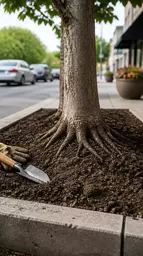 Did you know that proper soil management can significantly enhance the health of urban trees? Unders
 As winter approaches, it’s not just people who need to prepare for the cold; our trees do too. Wit