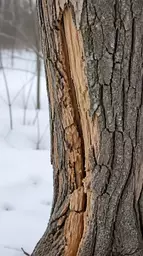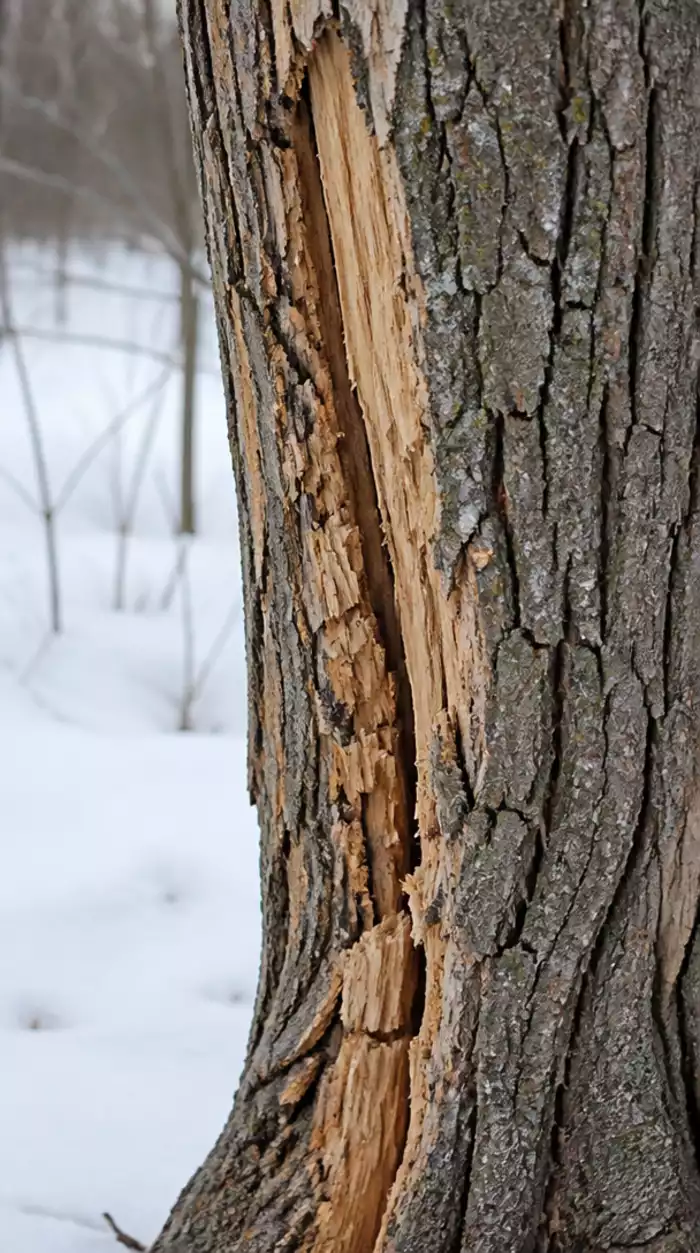
Frost Cracks
Vertical slits in the bark
Impact: Can expose tree to pests, but manageable
Subscribe to get expert tips and the latest insights on tree care and urban greening directly to your inbox.
Posted on: 2026-10-20
By: Keira Vallejo
As winter approaches, trees in urban landscapes face unique challenges that can threaten their health. Understanding these challenges not only helps homeowners protect their trees but also fosters a deeper connection with our environment. Did you know that the difference between a thriving tree and one at risk can hinge on recognizing the signs of frost damage?
Understanding the differences in appearance and impact of various winter-related tree damages can guide effective care strategies.
Vertical slits in the bark
Impact: Can expose tree to pests, but manageable
Sunken, discolored areas
Impact: Can be harmful and may require removal
Light brown, sunken patches
Impact: Weakens tree and may lead to further issues
As winter descends, our trees can face unique challenges, including the phenomenon known as frost cracks. These cracks can significantly impact tree health, leaving many homeowners and urban gardeners concerned. Understanding what frost cracks are and how they develop is the first step to protecting our beloved trees during the colder months.
Frost cracks are vertical splits that occur in a tree’s bark, usually in response to rapid temperature fluctuations. When the temperature drops quickly at night, the bark can contract while the inner wood remains warmer and expands. This tension can lead to cracks forming, which can expose the tree to various pests and diseases. Have you ever noticed these cracks on your trees? It’s a sign they could use some extra care!
Several factors contribute to the occurrence of frost cracks. These include:
Understanding these triggers can help you monitor your trees better. If you spot any cracks, it’s crucial to assess their severity and consider protective measures, especially here at Urban Canopy Blog, where we prioritize tree health!
Identifying frost cracks accurately is essential to differentiate them from other winter-related damages. Frost cracks appear as long, vertical slits in the bark, often extending deep into the wood. In contrast, frost cankers tend to form as sunken, discolored areas on the bark, which may ooze sap. Have you noticed these differences on your trees? Being able to spot them can make a significant difference in your care routine!
Here’s a quick comparison to help you understand these damages better:
| Damage Type | Appearance | Tree Health Impact |
|---|---|---|
| Frost Cracks | Vertical slits in the bark | Can expose tree to pests, but manageable |
| Frost Cankers | Sunken, discolored areas | Can be harmful and may require removal |
| Winter Sunscald | Light brown, sunken patches | Weakens tree and may lead to further issues |
Knowing how to spot these varieties of damage can help you take proactive steps to maintain the health of your trees.
Not all trees are created equal when facing winter’s chill! Some species are naturally more resistant to frost damage than others. For instance, maple and oak are generally sturdier, while birch and cherry are more vulnerable to frost cracks. It’s essential to know the species in your yard, as this can guide your care approach as winter approaches.
Cold hardiness zones indicate which plant species can thrive in specific climatic conditions. These zones range from 1 (the coldest) to 13 (the warmest), and knowing your zone helps you select trees that are naturally suited to your environment. Here’s a simple breakdown of how to find your zone:
By selecting trees that match your zone, you can enhance their chances of surviving harsh winters. Remember, at Urban Canopy Blog, we are here to help you make informed decisions about tree care based on your climate!
Did you know that wrapping the trunks of young trees with protective materials can help reduce the risk of frost cracks? Use tree wraps or even burlap during the colder months to insulate the bark and minimize temperature fluctuations. This simple preventive measure can greatly enhance your trees' resilience against winter damage!
As we look back on the challenges posed by frost cracks and winter tree splits, it’s essential to recognize the critical role that tree health and maintenance play in ensuring our urban landscapes thrive. Proper care not only protects our trees during harsh winters but also sets the foundation for their long-term resilience. Investing time in understanding your trees can pay off significantly, helping them withstand the elements year after year.
One effective long-term care strategy involves regular monitoring and maintenance. This includes activities such as:
These practices contribute to the overall vigor of your trees, making them more resistant to environmental stressors. Additionally, understanding the natural recovery process of trees can help you appreciate their resilience. Trees are remarkable organisms that can heal over time, especially when given the proper care and conditions. For more detailed insights, consider reading about the benefits of professional tree care.
Fostering a culture of proactive tree care can have a ripple effect throughout your community. Engaging fellow tree enthusiasts, neighbors, and local organizations helps spread knowledge about best practices for tree maintenance. At Urban Canopy Blog, we believe that community support significantly enhances the health of urban trees.
To encourage this collaborative spirit, consider:
Resources for ongoing education, such as expert blogs and local arborist consultations, can also empower community members. This commitment to learning and sharing not only strengthens community ties but also promotes the overall health of our urban forests. Remember, each tree cared for is a step toward a greener, more sustainable city!
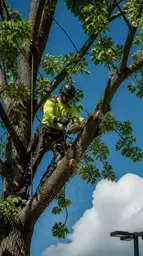
Urban forestry plays a vital role in the preservation of our trees, especially in bustling city environments. Collaborating with certified arborists and local forestry programs can enhance your understanding of tree care and protection strategies. These partnerships help ensure trees are not only safeguarded but also thrive in the face of urban challenges. You can also explore how to support your local trees through various initiatives.
By participating in urban forestry initiatives, you can contribute to the long-term sustainability of your community’s green spaces. Whether it’s through volunteer opportunities or educational events, being engaged makes a difference!
As we wrap up our discussion on managing frost damage, it’s crucial to emphasize the importance of awareness and action. Keeping an eye on our trees and understanding their needs can lead to healthier, more resilient landscapes. By adopting proactive measures, we can significantly enhance the longevity of our beloved trees.
Building knowledge for future winters isn’t just about preparing for the cold; it’s about nurturing a deeper connection with our environment. When you understand what trees need to thrive, you can provide the care that will keep them strong and healthy.
I encourage you to share your experiences and best practices with others. Every story counts, and collectively, we can build a wealth of knowledge that benefits everyone in our community. Let’s keep the conversation going about how to support our urban forests, ensuring they remain vibrant for years to come! To learn more about maintaining healthy trees, check out our guide on maintaining urban tree canopies.
Here is a quick recap of the important points discussed in the article: