Affordable Tree Care for Towns
Posted on: 2026-10-11
By: Keira Vallejo
Did you know that trees in urban areas can significantly enhance community health and aesthetics? With municipalities facing the challenge of maintaining these vital green spaces, effective tree care strategies become essential. Let's explore the critical lessons municipalities can learn from innovative urban forestry practices.
What You Will Learn
- Municipal tree care improves not only urban aesthetics but also environmental health and community well-being.
- Proactive urban forest management, including regular pruning and species selection, is vital for tree vitality and longevity.
- Budgeting challenges for tree care programs can be mitigated through innovative community partnerships and preventive maintenance strategies.
- Key Performance Indicators (KPIs) like tree health assessments and community engagement levels are essential for evaluating the success of tree care programs.
- Real-world case studies demonstrate that cost-effective tree care strategies can lead to significant savings and improved community involvement.
- Implementing a practical checklist for tree care, such as routine maintenance schedules and community education, fosters a vibrant urban ecosystem.
Key Performance Indicators and Budgeting Insights for Municipal Tree Care
Assessing the effectiveness of tree care programs involves measuring various key performance indicators (KPIs) and understanding budgeting challenges. Below is a visual representation of both the KPIs and budget constraints municipalities face in urban forestry management. Investing in professional tree care can offer significant long-term benefits.
Key Performance Indicators (KPIs)
- 🌳 Tree health assessments and survival rates
- 💰 Cost savings from preventive maintenance
- 🤝 Community engagement levels in tree planting initiatives
- ⚠️ Reduction in tree-related hazards and claims
Budget Constraints
- 💸 Limited funding for maintenance and new plantings
- 🚨 High costs associated with emergency tree removals
- 📚 Insufficient staff training and resources
Understanding Cost-Effective Tree Care Strategies for Municipalities
When we think about urban landscapes, trees often play a vital role in shaping our environment. Understanding cost-effective tree care strategies is essential for municipalities looking to maintain their urban forests. At the Urban Canopy Blog, we believe that sustainable practices can help cities thrive while also ensuring that their greenery is preserved for future generations.
Municipalities face unique challenges in maintaining trees, but with the right strategies, they can overcome these hurdles. Cost-effective tree care isn't just about saving money; it's about enhancing community health, aesthetics, and overall quality of life. Let's dive into the importance of municipal tree care and how it can positively impact urban areas.
Defining Municipal Tree Care and Its Importance
Municipal tree care involves the management and maintenance of trees located within city boundaries. This care is crucial not only for improving the visual appeal of urban spaces but also for enhancing environmental health. Trees provide shade, improve air quality, and even support local wildlife, making their upkeep a priority for city planners. For more information on sustainable tree care in cities, check out our related article.
Moreover, trees contribute significantly to mental well-being. Studies show that green spaces can reduce stress and improve mood. By investing in tree care, municipalities are actively promoting healthier lifestyles for their residents. Isn’t it amazing how something as simple as a tree can have such a profound effect on our lives?
Overview of Urban Forest Management
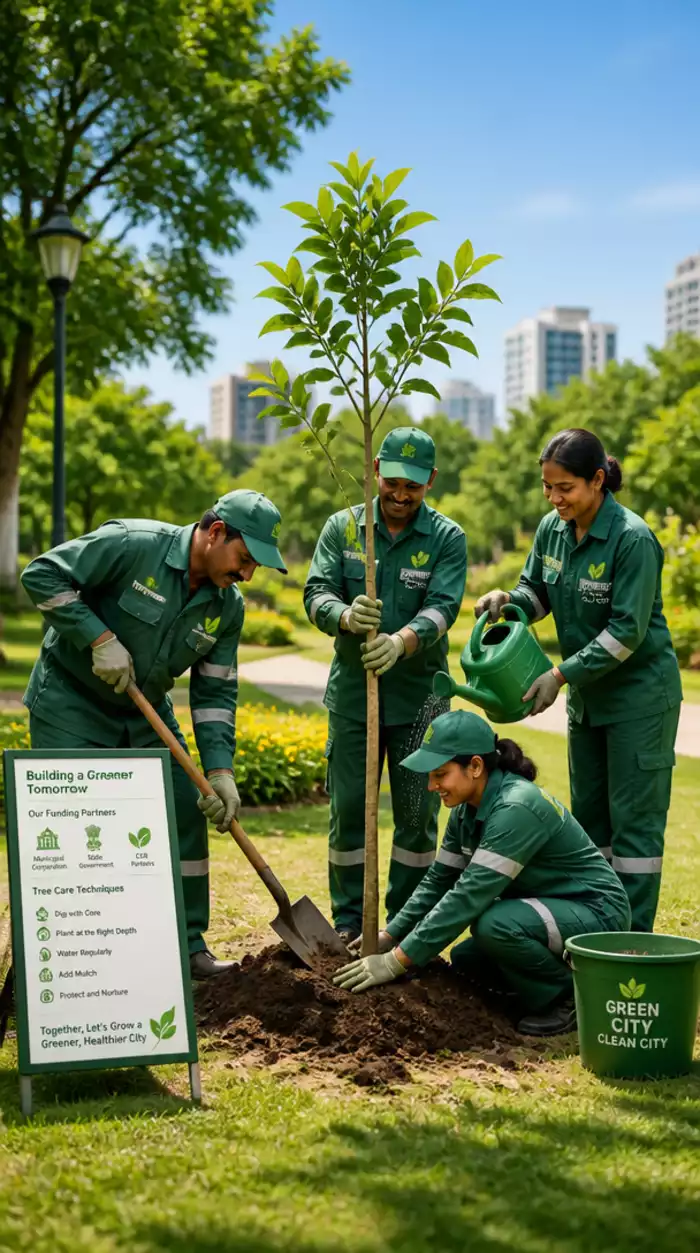
Urban forest management focuses on the care and planning of trees in cities. It involves a combination of planting, maintenance, and monitoring to ensure trees flourish. This approach not only protects existing trees but also encourages new growth, which is vital for maintaining green spaces.
- Planting suitable tree species for urban environments
- Regular pruning and health checks to ensure vitality
- Community involvement in tree planting events
By adopting a proactive urban forest management strategy, municipalities can ensure that their green spaces are well-maintained and continue to thrive for years to come.
Role of Tree Care in Community Health and Aesthetics
The role of tree care extends far beyond aesthetics; it is deeply intertwined with community health. Healthy trees contribute to improved air quality, provide cooling effects during hot weather, and even serve as barriers against noise pollution. These benefits lead to a higher quality of life for residents.
Furthermore, a well-maintained urban forest beautifies neighborhoods, increasing property values and attracting tourism. As we continue to promote tree care through the Urban Canopy Blog, we aim to highlight these essential connections between trees, community health, and economic benefits.
Identifying Budgeting Challenges for Municipal Tree Programs
While tree care is essential, budgeting for these programs can be a significant challenge for municipalities. Limited financial resources often lead to tough decisions regarding which services can be prioritized. Understanding these challenges is key to developing effective tree care strategies that are both cost-efficient and impactful. Learn more about assessing urban tree health to make informed budget decisions.
It’s important to identify these budgeting constraints early on to create sustainable solutions. Let’s explore some common challenges municipalities face when it comes to tree care funding.
Common Budget Constraints Faced by Municipalities
- Limited funding for maintenance and new plantings
- High costs associated with emergency tree removals
- Insufficient staff training and resources
Addressing these constraints requires innovative thinking and community collaboration. Municipalities can explore partnerships with local organizations to pool resources and share the responsibility of tree care.
Impact of Budgeting on Tree Maintenance and Health
Budgeting directly influences tree maintenance and health. Insufficient funds can lead to neglect, resulting in increased risks of disease and tree mortality. This ultimately affects the entire urban ecosystem.
To mitigate these risks, municipalities must advocate for necessary funding while focusing on efficient resource allocation. By prioritizing tree care, cities can ensure healthier urban forests that benefit everyone!
Budget Allocation for Sustainable Practices
Sustainable practices in tree care often require upfront investment but can save municipalities money in the long run. Allocating budget towards proactive maintenance, rather than reactive crisis management, can help extend the life of trees and reduce overall costs.
- Investing in training for staff on proper tree care
- Setting aside funds for preventive maintenance programs
- Promoting community involvement in tree care initiatives
These strategies can create a more sustainable and thriving urban environment. Together, we can cultivate a future where trees flourish, enhancing the beauty and health of our cities.
Quick Summary
Here's a brief recap of the key points discussed so far:
- Municipal tree care enhances community health and urban aesthetics.
- Budget constraints significantly impact tree maintenance and overall urban forestry health.
- Implementing cost-effective strategies can lead to long-term savings and improved community engagement.
Assessing Savings and Return on Investment in Tree Care Programs
When it comes to managing urban trees, understanding the savings and return on investment (ROI) is crucial for municipalities. Tracking how funds are spent and what benefits come from those investments can help city officials make informed decisions about tree care. It’s essential to have a clear vision of the financial outcomes tied to urban forestry initiatives.
Key performance indicators (KPIs) play a big role in this process. By measuring various aspects of tree management, municipalities can determine if their strategies are effective. From monitoring tree health to assessing community satisfaction, these indicators provide valuable insights.
Key Performance Indicators for Municipal Tree Management
So, what exactly should you be measuring? Here are some vital KPIs that can help you track the success of your tree care programs:
- Tree health assessments and survival rates
- Cost savings from preventive maintenance
- Community engagement levels in tree planting initiatives
- Reduction in tree-related hazards and claims
Using these KPIs can help municipalities see the bigger picture. By analyzing these metrics over time, you can gauge the effectiveness of your tree care strategies. For instance, tracking the survival rates of newly planted trees can highlight the success of your planting techniques and care practices.
Measuring Success: How to Track Savings and Efficiency
To truly understand the impact of your urban forestry programs, consider employing a systematic approach to measure savings and efficiency. Here’s how:
- Conduct regular audits of your tree care budget.
- Keep detailed records of maintenance activities, including costs and outcomes.
- Solicit feedback from the community regarding tree health and aesthetics.
- Evaluate long-term benefits such as improved air quality and reduced heat islands.
By following this checklist, you'll be better equipped to assess your ROI. This not only ensures effective use of resources but also strengthens your case for future funding from decision-makers.
Case Studies on Successful Cost-Effective Strategies
Looking at real-world examples can provide motivation and insights into what works. Cities across the country have successfully implemented cost-effective tree care strategies. Here are a few notable cases:
- City A: Reduced maintenance costs by 20% through scheduled pruning.
- City B: Increased community involvement, leading to a 30% rise in volunteer tree planting events.
- City C: Developed a digital tree inventory, improving management efficiency by 25%.
These case studies highlight the practical benefits of investing in effective tree management strategies. Municipalities can learn from each other's successes and apply similar tactics to their own urban environments.
Cost-Benefit Analysis of Urban Forestry Initiatives
A thorough cost-benefit analysis can help clarify the value of investing in urban forestry. Here are some factors to consider:
- Initial costs vs. long-term savings from improved tree health.
- Environmental benefits such as reduced pollution and cooler temperatures.
- Social benefits including increased property values and enhanced community pride.
By conducting such analyses, municipalities can make a stronger case for tree care initiatives. At Urban Canopy Blog, we believe that understanding these factors can inspire action and drive better urban management practices.
Practical Checklist for Implementing Cost-Effective Strategies
If you're ready to implement cost-effective strategies for tree care, having a practical checklist can be incredibly helpful! Here are some actionable tactics that municipalities can adopt:
- Establish a routine tree care schedule to prevent costly emergencies.
- Invest in training for staff to ensure effective tree management.
- Create community programs to engage residents in tree care efforts.
- Use technology, such as mobile apps, for tree inventory management.
These strategies not only promote efficient use of resources but also encourage community participation in tree care, leading to a more vibrant urban ecosystem.
Expected Benefits and Implementation Challenges
While implementing these cost-effective strategies can lead to significant benefits, it’s important to recognize potential challenges. Some expected benefits include:
- Long-term cost savings from preventive maintenance.
- Improved urban aesthetics and community pride.
- Enhanced public health through increased greenery.
However, challenges might arise, such as limited funds or community resistance. It’s essential for municipalities to address these hurdles proactively, ensuring everyone understands the value of investing in urban trees.
Community Engagement and Education Strategies
Engaging the community is a key element in the success of any tree care program. Here are some strategies to foster involvement:
- Host educational workshops on tree care and maintenance.
- Encourage local schools to participate in tree planting events.
- Create informative materials about the benefits of trees for distribution.
These efforts can create a sense of ownership among community members, fostering a shared responsibility for urban greenery. At Urban Canopy Blog, we believe that when communities come together, the outcomes can be truly transformative!
Frequently Asked Questions About Municipal Tree Care
- What is municipal tree care?
- Municipal tree care involves the comprehensive management and maintenance of trees within city boundaries to enhance urban aesthetics, environmental health, and community well-being.
- Why is urban forest management important for municipalities?
- Urban forest management is crucial because it ensures the vitality and longevity of trees in cities through practices like suitable planting, regular maintenance, and monitoring. This contributes to healthier environments, better air quality, and reduced stress for residents.
- What are the common budgeting challenges for municipal tree programs?
- Municipalities often face challenges such as limited funding for maintenance and new plantings, high costs associated with emergency tree removals, and insufficient staff training and resources.
- How can municipalities overcome budgeting constraints for tree care?
- Overcoming budget constraints requires innovative thinking, community collaboration, and exploring partnerships with local organizations. Prioritizing proactive maintenance and efficient resource allocation can also lead to long-term savings.
- What are some key performance indicators (KPIs) for evaluating tree care programs?
- Key Performance Indicators include tree health assessments and survival rates, cost savings from preventive maintenance, community engagement levels in tree planting initiatives, and the reduction in tree-related hazards and claims.
- How does community involvement impact the success of tree care programs?
- Community involvement is vital for success as it fosters a sense of ownership, shared responsibility, and provides additional resources through volunteer efforts. Educational workshops and planting events can significantly boost engagement.
Recap of Key Points
Here is a quick recap of the important points discussed in the article:
- Municipal tree care is essential for enhancing community health, aesthetics, and overall quality of life.
- Urban forest management includes planting, maintaining, and monitoring trees to ensure their vitality and growth.
- Budget constraints can impact tree care programs; innovative solutions and community collaboration are necessary to overcome these challenges.
- Key performance indicators (KPIs) help municipalities assess the effectiveness and ROI of their tree care initiatives.
- Implementing cost-effective strategies, such as preventive maintenance and community engagement, can lead to significant long-term benefits for urban environments.
- Community involvement is crucial for the success of tree care programs; education and engagement strategies can foster a sense of ownership among residents.

 Did you know that trees in urban areas can significantly enhance community health and aesthetics? Wi
 Did you know that proper windproofing of urban trees can significantly enhance their resilience agai
 What if a single checklist could protect your property and enhance its value? For property managers,