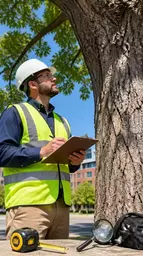
Conduct Regular Tree Assessments
Identify any weak spots or health issues in trees to ensure stability.
Subscribe to get expert tips and the latest insights on tree care and urban greening directly to your inbox.
Posted on: 2026-10-07
By: Keira Vallejo
Did you know that proper windproofing of urban trees can significantly enhance their resilience against severe weather? This practice not only safeguards the trees but also protects the community by reducing the risks of injury and property damage. Let's delve into the essential takeaways that will empower you to contribute to a healthier urban landscape.
Essential actions that homeowners and municipalities should take for effective windproofing of urban trees.
Identify any weak spots or health issues in trees to ensure stability.
Include pruning, fertilizing, and inspections for ongoing maintenance.
Train local volunteers and community members on basic tree care and storm preparedness.
Collaborate with local arborists for professional guidance and support.
When it comes to urban forestry, one of the most crucial aspects is ensuring that our trees can withstand the challenges posed by storms. Have you ever wondered how much preparation goes into keeping our city trees healthy and strong? At Urban Canopy Blog, I’m passionate about sharing insights that empower communities to take action and foster urban resilience through effective tree care.
Understanding how to windproof your urban trees is essential! These preparations not only protect the trees but also enhance the overall health of our urban landscapes. Storm-ready trees can help mitigate damage and maintain safety for residents, which is vital when severe weather events occur. For more insights on maintaining urban tree health, explore our guide on assessing urban tree health.
Why does urban tree resilience matter? Well, trees are not just beautiful additions to our towns; they also play a significant role in improving air quality, providing shade, and enhancing overall well-being. When urban trees are prepared for storms, they can contribute even more to the community by reducing the risk of injury and property damage.
Storm-ready trees act as natural barriers against wind and rain, reducing the impact of severe weather events on our urban infrastructure. Additionally, having a large number of resilient trees helps in managing water runoff and controlling erosion during heavy rainfall.
Urban tree resilience is crucial for both environmental and social reasons. Healthy trees provide numerous benefits, including:
As I enjoy walking around our neighborhoods, I often remind myself of how trees enhance our quality of life. By ensuring their resilience, we’re not just protecting them; we’re safeguarding our community's future.
Storms can wreak havoc on our urban landscapes, leading to uprooted trees and damaged infrastructure. High winds can cause branches to snap and fall, posing threats to people and property. Understanding the specific risks that storms present can help us better prepare our green spaces, as detailed in our article on preparing urban trees for spring storms.
As part of our urban forestry efforts, it's important to recognize that storms may also lead to increased pest infestations and diseases in damaged trees. Preparing for storm events can help reduce the long-term impact on tree health and urban ecosystems.
Identifying risk factors is key to windproofing urban trees. Knowing what to look for can help you take proactive steps to protect your green friends from harsh weather. As I dive into this topic, I encourage you to assess the trees in your surroundings and consider their vulnerability.
There are several common hazards that trees face during storms, which include:
As you assess trees in your area, keep an eye out for these hazards. Taking necessary precautions can make all the difference for our urban forest.
Recognizing signs of tree instability is crucial for effective windproofing. Look out for the following indicators:
By being vigilant, you can help prevent potential hazards in your community. If you suspect that a tree is unstable, it is always best to consult a certified arborist for further evaluation.
Urban forestry plays a fundamental role in the windproofing process. It encompasses various strategies aimed at enhancing the health and resilience of trees in city environments. As part of this effort, selecting the right tree species is vital for long-term success. For more information on this, check out our insights on selecting trees for urban spaces.
Incorporating diverse species into our urban landscapes can create a more robust ecosystem, as different trees have varying strengths and weaknesses when it comes to weather resilience. This diversity can mitigate the risk of widespread damage during storms.
Choosing the right tree species is essential for storm preparedness. Here are some factors to consider:
Taking these factors into account will help ensure that the trees you plant can weather the storms of tomorrow!
To create a safer urban environment, it’s important to evaluate both the tree's structural integrity and the stability of the soil surrounding it. Healthy trees rely on a solid foundation, so here are some tips:
By taking these proactive measures, we can create an urban forest that stands strong against the test of time and weather. Together, let’s commit ourselves to nurturing the green spaces we cherish!
Did you know that regular pruning not only enhances the appearance of your trees but also significantly increases their wind resistance? By removing weak or dead branches, you reduce the surface area that wind can act upon, helping your trees stand strong during storms. Consider scheduling seasonal pruning to ensure your urban trees are well-prepared for the harsh weather ahead!
As we wrap up our exploration of windproofing urban trees, it’s crucial to highlight the practical steps every homeowner and municipality can take. By focusing on actionable strategies, we can ensure that our beloved trees are not only beautiful but also resilient against harsh weather. Remember, our trees are vital to city life, and investing in their care helps create a healthier urban ecosystem.
A key takeaway for all of us is the integration of tree care into emergency response plans. This means that tree maintenance should not be an afterthought; it should be part of our overall strategy for urban resilience. Think about how easy it would be to coordinate tree care efforts during storms if we had clear guidelines and resources in place! For more on professional tree care, consider reading about the benefits of professional tree care.
When we talk about effective strategies for windproofing trees, we can break it down into a few essential actions. Whether you’re a homeowner wanting to secure your trees or a city planner aiming for a comprehensive approach, these steps can guide you.
It’s also essential to prioritize cost-effective strategies. In the long run, these measures not only protect our trees but also save money on potential damage repairs. So, let’s adopt a proactive approach to urban tree care!
Integrating tree care into emergency response plans means developing a clear protocol for how trees will be handled before, during, and after storms. This can help cities respond quickly and effectively, reducing the risk of damage to both trees and infrastructure.
By following these steps, we can create a more resilient urban forest that withstands the test of time and nature. After all, trees are our partners in creating healthier city spaces!
To foster a thriving urban canopy, community involvement is key. Engaging local residents in tree care initiatives not only strengthens the community bond but also builds a sense of shared responsibility for our green spaces. Plus, we all have something valuable to learn from each other!
One effective way to encourage involvement is by collecting feedback and insights from past storms. What worked? What didn’t? Sharing these experiences can lead to better strategies for future storm preparations, and I encourage everyone to engage in these conversations.
Gathering feedback is crucial for continuous improvement. Here are some steps you can take to ensure that everyone’s voice is heard:
Ultimately, the more we share knowledge and strategies, the stronger our urban forestry initiatives will become. You can find more comprehensive strategies in our seasonal urban tree care guide.
Lastly, let’s not forget about the importance of integrating green infrastructure into urban planning. Utilizing elements like green roofs, community gardens, and permeable pavements can enhance our city’s resilience while also creating beautiful landscapes. It’s a win-win!
Together, by prioritizing community involvement and utilizing green infrastructure, we can ensure our cities not only survive storms but also flourish in the face of challenges. Let's get started on these initiatives today for a greener tomorrow!
Here is a quick recap of the important points discussed in the article: