Prepare Urban Trees for Spring Storms
Posted on: 2026-04-09
By: Keira Vallejo
As spring approaches, our trees often face unexpected challenges that can threaten their health and stability. Understanding these risks and taking proactive steps is essential for nurturing a resilient urban canopy. Let's explore the vital lessons that can help protect our beloved trees against early spring storms.
What You Will Learn
- Urban trees are vulnerable due to limited soil space and resource competition, necessitating regular maintenance.
- Frost/thaw cycles in early spring can stress trees, leading to premature sap flow and increased susceptibility to storm damage.
- Monitoring local weather forecasts allows for better preparation of urban trees during severe weather events.
- Post-storm assessments are crucial for identifying damage and planning recovery strategies for urban trees.
- Community engagement in tree care initiatives can significantly enhance neighborhood resilience and tree health.
- Utilizing local resources, such as urban forestry programs, can provide valuable support for tree maintenance and recovery.
- Promoting sustainable practices through community forestry initiatives ensures the long-term health of urban ecosystems.
Key Vulnerabilities and Recovery Strategies for Urban Trees
Understanding the challenges urban trees face during storms and the necessary steps for recovery fosters a healthier urban canopy.
Storm Vulnerabilities
- Limited root space increases vulnerability.
- Nearby structures can create wind tunnels.
- Soil compaction reduces nutrient access.
Post-Storm Assessment Steps
- Check for broken branches or trunk splits.
- Inspect for uprooting or leaning trees.
- Look for signs of disease or decay.
- Evaluate root system for damage.
Recovery Strategies
- Prune damaged branches to promote growth.
- Use proper staking for leaning trees.
- Amend soil around roots for healthy growth.
- Monitor regularly for new growth or issues.
Understanding the Risks of Early Spring Storms for Urban Trees
As winter fades away and the warmth of spring approaches, urban trees face unique challenges. Early spring storms can bring heavy winds, ice, and unpredictable weather patterns, all of which pose risks to our beloved leafy friends. At Urban Canopy blog, we believe it’s essential to be aware of these risks to help our community keep trees healthy and thriving.
Identifying vulnerabilities in urban environments is the first step. Trees in cities often grow in confined spaces with limited resources, making them more susceptible to damage. During storms, factors such as nearby buildings, roads, and other structures can exacerbate these vulnerabilities, leading to potential hazards. Understanding what makes your trees prone to storm damage can help you take proactive steps for their care.
Identifying Storm Vulnerabilities in Urban Environments
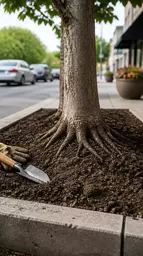
Urban trees can face various vulnerabilities, including limited soil space and competition for resources. In crowded neighborhoods, trees may struggle to access enough water and nutrients due to soil compaction. This can weaken their root systems and ultimately lead to increased storm damage. Plus, the placement of nearby buildings can create wind tunnels, intensifying the impact of strong gusts. For optimal growth and resilience, exploring soil quality for urban trees is essential.
- Limited root space increases vulnerability.
- Nearby structures can create wind tunnels.
- Soil compaction reduces nutrient access.
Moreover, trees that have been improperly pruned or neglected can develop weak limbs that are likely to break during a storm. That’s why it's crucial to engage in regular tree maintenance. By recognizing these vulnerabilities, you can better prepare your trees for the unpredictable nature of spring storms.
Frequently Asked Questions (FAQs)
Why are urban trees more vulnerable to early spring storms?
Urban trees often grow in confined spaces with limited resources, making them more susceptible to damage from heavy winds, ice, and unpredictable weather patterns.
How do frost/thaw cycles affect urban trees?
Fluctuating temperatures can cause premature sap flow, leading to stress and damage that makes trees more vulnerable to storm effects.
What steps should I take after a storm to assess tree damage?
Check for broken branches, splits in the trunk, uprooting, leaning, and signs of disease or decay. Also, evaluate the root system for damage.
When should I seek professional help from an arborist?
Consult an arborist if the tree is leaning significantly, has large cracks or splits in the trunk, shows signs of decay or disease, or poses a risk to nearby property or people.
How can community engagement help in urban tree care?
Community initiatives such as tree care workshops, planting days, and volunteer groups can empower communities to take charge of their urban landscapes and ensure trees remain healthy.
Recognizing the Impact of Frost/Thaw Cycles on Trees
Another aspect to consider is the impact of frost and thaw cycles during early spring. When temperatures fluctuate from freezing to warm, the tree's sap may flow prematurely. This can lead to stress and damage, making trees more susceptible to storm effects. It's fascinating how such weather patterns influence tree health, isn’t it? At Urban Canopy blog, we emphasize the importance of monitoring these changes and responding accordingly.
- Frost cycles can lead to sap flow issues.
- Rapid temperature changes cause stress.
- Understanding weather patterns is vital for tree health.
By learning to recognize these impacts, you can take the necessary steps to protect your trees. For instance, ensuring proper watering during these cycles helps sustain moisture levels and reduces stress on the tree. It’s all about being proactive! To maintain your trees properly, consider the benefits of professional tree care.
Assessing Weather Conditions and Their Effects on Urban Trees
Weather conditions play a significant role in tree health as well. Heavy rainfall can saturate the ground, leading to root rot, while high winds can uproot trees that are already weakened. Awareness of local weather forecasts allows you to prepare for impending storms, such as by securing younger trees or ensuring that surrounding vegetation does not exacerbate conditions. By understanding the seasonal effects on urban tree roots, you can better protect your trees from weather-related damage.
- Monitor local forecasts for severe weather.
- Secure young trees to prevent uprooting.
- Assess surrounding vegetation for potential risks.
In summary, understanding the risks posed by early spring storms equips us with the knowledge to care for our urban trees. As we keep our community engaged in tree care, we can collectively foster healthier, more resilient urban landscapes. After all, every effort counts in nurturing the green spaces we cherish!
Pro Tip
Did you know that regular inspections can significantly reduce the risk of storm damage to your trees? Schedule quarterly checks to assess tree health and identify any vulnerabilities early. This proactive approach not only helps in maintaining tree vitality but also ensures that your trees are better equipped to withstand unpredictable weather patterns.
Assessing the Aftermath: Evaluating Storm Damage to Urban Trees
After a storm passes, it’s crucial to assess any damage your urban trees may have sustained. Just like us, trees can feel the impact, and identifying issues early can save them from further harm. Taking a systematic approach to post-storm evaluation will help you understand what your trees need to recover and thrive again!
Here are the steps I recommend when assessing storm damage:
- Check for broken branches or splits in the trunk.
- Inspect for uprooting or leaning trees.
- Look for signs of disease or decay that may have been exacerbated.
- Evaluate the root system for damage, especially in newly planted trees.
Once you have a clear picture of the extent of the damage, you can develop a plan for recovery. Remember, it’s not just about restoring your trees but also about enhancing their resilience against future storms.
Steps for Post-Storm Tree Assessment and Recovery
First, you want to start with a thorough inspection. This will help you gauge the health of your trees and identify any immediate concerns. I like to grab a notebook and jot down any visible issues that need attention.
Next, consider the following steps for effective assessment:
- Use binoculars for a closer look at high branches.
- Document the damage with photos to track progress.
- Assess the surrounding landscape for hazards, such as fallen power lines.
After your assessment, it might be time to think about recovery. This could involve pruning damaged branches or even considering tree replacement if necessary. Remember, your trees play a vital role in your urban environment, so ensuring their health is key! To ensure you are prepared, review this seasonal urban tree care guide .
When to Seek Professional Arborist Help
Sometimes, the damage is extensive enough that we need to call for backup. Professional arborists have the skills and experience to handle more severe issues that might be beyond our expertise. If you're unsure about the extent of the damage, don’t hesitate to reach out!
Here are some signs that you should consult an arborist:
- The tree is leaning significantly or uprooted.
- There are large cracks or splits in the trunk.
- You notice signs of decay or disease spreading.
- The tree poses a risk to nearby property or people.
Having a professional arborist evaluate your trees can provide peace of mind and ensure that your beloved green friends receive the proper care they need. It’s an investment in the health of your urban landscape!
Understanding Storm Damage and Recovery Strategies
After assessing the damage, it’s time to implement recovery strategies. Depending on the level of damage, your approach can vary significantly. Trees may need minor pruning, extensive trimming, or even complete removal. Let’s break down some effective strategies!
- Prune damaged branches to promote new growth.
- Use proper staking techniques for leaning trees to help them regain stability.
- Amend the soil around roots to promote healthy growth.
- Monitor trees regularly for signs of new growth or issues post-storm.
By following these strategies, you can help your trees recover stronger than before. As an advocate for urban forestry, I believe that every effort counts toward creating a resilient urban canopy!
Engaging the Community in Urban Tree Care and Storm Preparedness
Getting the community involved in urban tree care can make a big difference! Together, we can share knowledge, resources, and even labor to make our neighborhoods greener and healthier. It's amazing how a little teamwork can lead to big changes!
Encouraging Neighborhood Initiatives for Tree Maintenance
Have you ever thought about starting a neighborhood tree care group? By organizing local initiatives, we can empower our communities to take charge of their urban landscapes. Here are a few ideas to get started:
- Host tree care workshops to educate others.
- Organize community tree planting days.
- Create a volunteer group for regular maintenance.
Community involvement not only beautifies our neighborhoods but also cultivates a sense of pride and responsibility for our urban environment. Plus, it’s a great way to meet fellow tree enthusiasts!
Highlighting Local Resources for Urban Tree Support
Knowing where to turn for help can make all the difference. Many local organizations, such as urban forestry programs and community gardens, offer resources for tree care. Some may even provide free trees to plant!
Here’s how you can tap into these resources:
- Check with local municipal programs for tree care workshops.
- Connect with local nurseries for advice on tree care and selection.
- Attend community meetings focused on urban forestry initiatives.
Each resource can offer guidance and support to ensure our urban trees are healthy and thriving.
Promoting Community Forestry and Engagement for Sustainability
Finally, let’s talk about the importance of community forestry. It’s not just about planting trees; it’s about promoting sustainable practices that benefit everyone! When we engage in forestry initiatives, we help ensure that our trees remain a vital part of our urban ecosystem for years to come.
Here are a few ways to promote sustainability:
- Advocate for environmentally-friendly practices in local governance.
- Participate in tree monitoring programs to track tree health.
- Share your knowledge on social media to inspire others.
Community engagement is the heartbeat of effective urban forestry. Let’s work together to make our cities greener and healthier for generations to come!
Conclusion: Strengthening Urban Trees for Future Storms
As we wrap up, remember that preparing our urban trees for storms is an ongoing journey. By assessing damage post-storm, involving the community, and utilizing available resources, we can strengthen our green spaces. Together, we can create a resilient urban canopy that stands strong against future storms!
Recap of Key Preparation Strategies for Homeowners and Urban Managers
To summarize, here are the key takeaways for effective storm preparation and recovery:
- Conduct thorough post-storm assessments.
- Seek professional help when needed.
- Engage the community in tree care initiatives.
By embracing these strategies, we can foster healthier urban environments that thrive even in challenging conditions.
Encouraging Proactive Engagement and Continuous Learning
Let’s keep the conversation going! Stay proactive by sharing your experiences with others. Whether you’re a homeowner, community leader, or tree enthusiast, your involvement matters. By learning and sharing together, we can nurture our urban forests and ensure a sustainable future for all!
Recap of Key Points
Here is a quick recap of the important points discussed in the article:
- Urban trees are vulnerable to early spring storms due to limited soil space, structural competition, and improper maintenance.
- Frost/thaw cycles can cause sap flow issues, stressing trees and making them more susceptible to storm damage.
- Monitoring local weather forecasts enables proactive measures to protect urban trees from severe conditions.
- Post-storm assessments should include checking for broken branches, leaning trees, and signs of disease.
- Community engagement in tree care, such as organizing workshops and planting days, fosters a healthier urban environment.
- Utilizing local resources and seeking professional arborist assistance when needed ensures the proper care and recovery of urban trees.

 What if a single checklist could protect your property and enhance its value? For property managers,
 What if the secret to thriving urban gardens lies not just in the flowers we plant, but in the trees
 Did you know that proper soil management can significantly enhance the health of urban trees? Unders