Protect City Trees from Salt
Posted on: 2026-03-20
By: Keira Vallejo
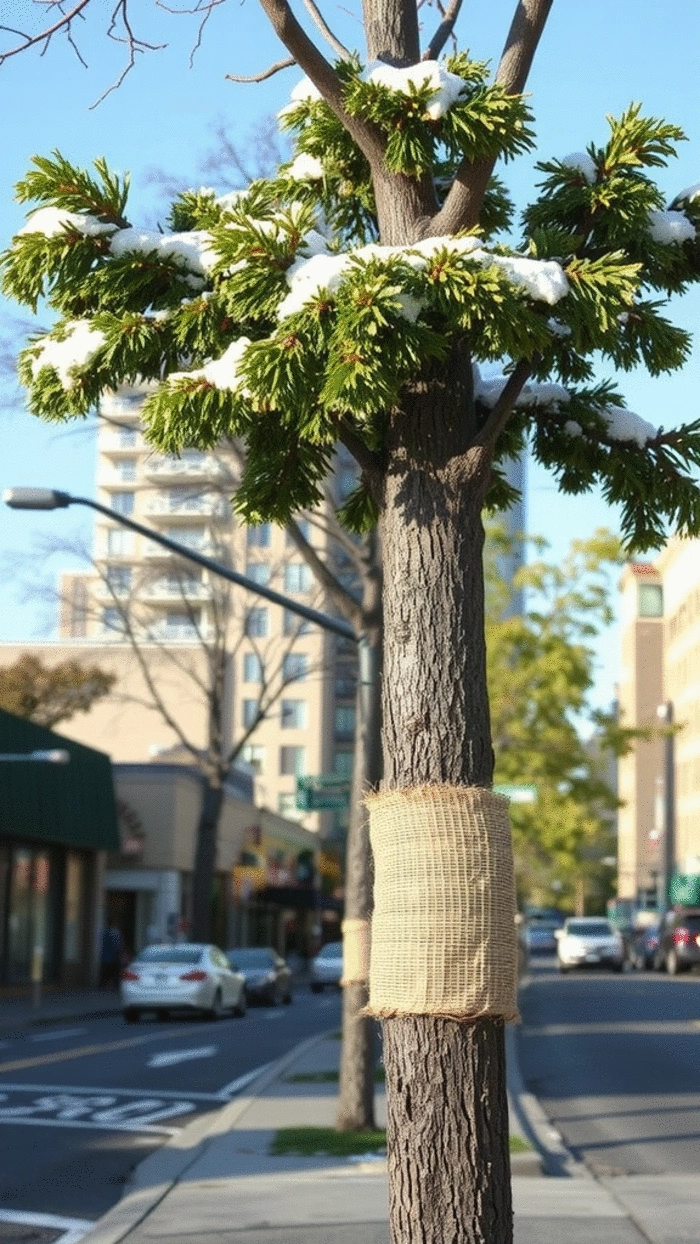
As winter approaches, the beauty of snowy landscapes can obscure a hidden threat to urban greenery: road salt. This common tool for keeping roads safe poses significant risks to our city trees and soil health. Understanding these impacts is essential for preserving our urban forests and fostering robust ecosystems.
What You Will Learn
- How road salt leads to soil dehydration and chloride toxicity, jeopardizing tree health.
- Identifying key symptoms of salt damage in urban trees, including leaf scorch and premature leaf drop.
- Recognizing the difference between salt-sensitive and salt-tolerant tree species, helping to select appropriate plants for urban environments.
- The importance of community engagement and advocacy for sustainable city tree policies to protect urban forests.
- Best practices for selecting salt-tolerant species and implementing effective tree care strategies to mitigate winter salt damage.
Tree Sensitivity to Road Salt
Understanding the differences between salt-sensitive and salt-tolerant tree species is crucial for urban forestry. Below is a comparison of these two categories.
Salt-Sensitive Trees
- Maples
- Birches
Characteristics:
- Symptoms of stress appear sooner
- Require more care and protection
Salt-Tolerant Trees
- Certain Elms
- Oaks
Characteristics:
- Adaptations for saline conditions
- Thrive despite winter salt exposure
The Impact of Winter Salt on Urban Trees: Understanding the Risks
Winter is a magical time for many, but it also brings challenges for our beloved urban trees. One of the main culprits is road salt, used to keep our streets safe from ice. While it helps us navigate snowy roads, it poses serious risks to the health of trees and soil in city environments.
Understanding how winter salt affects our trees is crucial. It not only damages the trees themselves but also disrupts the surrounding soil ecosystem. If we want to keep our city landscapes thriving, we need to delve into these impacts and find ways to mitigate them!
How Road Salt Causes Damage to Trees and Soil
Road salt can create a harmful environment for trees in several ways. One of the most significant issues is soil dehydration, where high salt levels draw moisture from the soil, leaving trees parched. This dehydration can cause trees to become stressed, making them more susceptible to diseases and pests.
In addition to dehydration, salt can lead to chloride toxicity. When salt accumulates, it can enter the tree's system through the roots, resulting in symptoms like leaf scorch and stunted growth. This is especially concerning in urban areas where trees are already facing numerous stressors!
- Soil dehydration reduces moisture availability.
- Chloride toxicity can cause leaf scorch.
- Increased vulnerability to pests and diseases.
To ensure your trees receive the best care, consider exploring the benefits of professional tree care, which can significantly mitigate these salt-related stresses.
Mechanisms of Salt Injury: Soil Dehydration and Chloride Toxicity
The mechanics of salt injury are quite complex. Soil dehydration often leads to reduced nutrient uptake, affecting a tree's overall health. Additionally, chloride toxicity can cause imbalances in important nutrients, resulting in further complications for tree growth.
Urban Canopy Blog aims to raise awareness about these issues by providing actionable insights. By understanding the mechanisms behind salt injury, we can formulate effective strategies to protect our urban trees from these winter threats!
Recognizing Symptoms of Salt Damage in Urban Trees
Being able to identify symptoms of salt damage is crucial for timely intervention. Look for signs such as browning leaf edges or premature leaf drop. These can indicate that a tree is struggling due to salt exposure.
Other symptoms include reduced growth and twig dieback. If you notice these signs, it may be time to take action to protect your trees! Remember, the sooner we address the issue, the better chance our trees have for recovery.
Many factors determine tree health. If you suspect your tree may be unhealthy, consult our guide to assessing urban tree health for expert insights.
- Browning leaf edges
- Premature leaf drop
- Reduced growth and twig dieback
Identifying Vulnerable Tree Species in City Environments
Not all trees react the same way to road salt; some are more vulnerable than others. In urban environments, it’s vital to identify which species can withstand salt exposure. Salt-sensitive trees include popular species like maples and birches, which often struggle under the stress of winter salt.
On the contrary, salt-tolerant trees, such as certain varieties of elms and oaks, can thrive in these challenging conditions. By promoting the right tree species in our cities, we can enhance urban resilience!
Characteristics of Salt-Sensitive Trees vs. Salt-Tolerant Trees
To make informed choices, let’s break down the characteristics of these tree types. Salt-sensitive trees typically show symptoms of stress sooner and often require more care and protection. Salt-tolerant trees, on the other hand, have adaptations that allow them to survive in saline conditions.
- Salt-sensitive trees: Maples, Birches
- Salt-tolerant trees: Certain Elms, Oaks
- Adaptations help tolerate saline conditions.
Recommended Salt-Tolerant Species for Urban Landscapes
Choosing the right trees is essential for creating healthy urban environments. Some recommended salt-tolerant species include:
- White Oak
- Honeylocust
- Eastern Red Cedar
- Red Maple
- American Hornbeam
These trees not only withstand winter salt but also provide essential benefits, such as improving air quality and providing shade. Let’s make sure we’re planting the right trees to support our urban canopy!
Understanding the ideal time to plant is essential. Consult our article on optimal tree planting times to give your trees the best start.
Tree Species Selection: Focusing on Frost Resistance and Disease Resistance
When selecting trees for urban landscapes, frost resistance and disease resistance are key factors. Trees that can handle cold temperatures will thrive better in winter conditions. At the same time, it’s important to choose species that can ward off common urban diseases.
Selecting the right tree for an urban environment involves many factors, including salt tolerance and disease resistance. To aid in your decision-making process, consider reading our guide on selecting trees for urban spaces.
By prioritizing these qualities, we ensure that our city trees not only survive but also flourish, contributing to the overall health of our urban ecosystems. Let's keep our city greenery vibrant and resilient, even in the toughest winter conditions!
Frequently Asked Questions (FAQs)
- What are the main risks of road salt to urban trees? Road salt can cause soil dehydration and chloride toxicity, both of which jeopardize tree health and disrupt the soil ecosystem.
- How can I identify salt damage in urban trees? Look for symptoms such as browning leaf edges, premature leaf drop, reduced growth, and twig dieback.
- What are some salt-tolerant tree species suitable for urban landscapes? Recommended species include White Oak, Honeylocust, and Eastern Red Cedar, which can withstand winter salt exposure and provide environmental benefits.
- Why is community engagement important for protecting urban trees? Community engagement fosters a sense of responsibility towards urban landscapes and supports initiatives such as tree planting and sustainable city tree policies.
- What can I do to mitigate winter salt damage to urban trees? You can advocate for sustainable tree policies, engage with local organizations, choose salt-tolerant species, and educate yourself and others about tree care.
Quick Summary
Here's a brief recap of the key points discussed so far:
- Road salt poses significant risks to urban trees, including soil dehydration and chloride toxicity.
- Identifying symptoms of salt damage early can help in taking effective action to protect trees.
- Choosing salt-tolerant tree species is essential for enhancing urban resilience against winter conditions.
Engaging with Local Communities and Tree Care Resources
As an urban forestry expert, I truly believe that community engagement is vital in preserving our city trees. When we come together, we can create a stronger, greener urban environment. By advocating for sustainable city tree policies, we not only protect our existing trees but also ensure future generations can enjoy the beauty and benefits trees provide.
Involving local communities in tree care can lead to long-lasting improvements in our neighborhoods. We can work together to promote tree planting initiatives and educational programs that not only inform residents about tree care but also foster a sense of responsibility towards our urban landscapes.
Advocacy for Sustainable City Tree Policies
Advocating for effective tree policies is essential for the health of our urban forests. Here are some key benefits to consider when pushing for sustainable practices:
- Long-term health: Well-planned policies lead to healthier trees that can withstand environmental challenges.
- Enhanced aesthetics: A well-maintained tree canopy beautifies our neighborhoods, making them more inviting.
- Community involvement: Engaging residents in tree care creates a sense of ownership and pride.
- Improved air quality: More trees mean better air quality and a healthier environment for everyone.
Collaborating with local urban forestry initiatives can further amplify our efforts. Working alongside organizations dedicated to tree preservation can provide valuable resources and support for community-driven projects.
Benefits of Long-term Planning and Maintenance for Urban Trees
When we think about urban trees, long-term planning becomes crucial. Consistent maintenance can help minimize the stress trees face from environmental factors, such as winter salt exposure. Here are a few benefits of maintaining our trees:
- Increased longevity: Regular care ensures trees live longer and thrive.
- Reduced costs: Preventive care can lower the need for costly repairs or replacements.
- Better biodiversity: A healthy tree population supports a diverse range of wildlife.
Having a well-maintained tree inventory allows us to identify areas needing attention, ensuring that our urban forest continues to flourish.
Collaborating with Local Urban Forestry Initiatives
Joining forces with local urban forestry initiatives can lead to exciting opportunities for community involvement. These organizations often provide workshops, resources, and volunteer programs to educate and engage residents. I encourage everyone to participate in these initiatives to learn more about tree care and make a difference in our communities.
Some examples of potential collaborations include:
- Tree planting events to beautify neighborhoods.
- Workshops on tree care and maintenance.
- Educational programs for schools to instill a love of nature in children.
- Community forums to discuss local tree issues and solutions.
Education Programs for Community Engagement and Environmental Stewardship
Education is key to engaging communities in tree care. By providing residents with knowledge about the importance of trees, we can inspire them to take action. Educational programs can cover various topics, such as:
- Understanding the benefits of urban trees.
- Identifying tree species and their specific needs.
- Learning about the impacts of winter salt and how to mitigate them.
- Implementing sustainable landscaping practices.
At Urban Canopy Blog, we’re passionate about sharing insights and practical tips to empower individuals in their tree care journey. Together, we can foster a sense of stewardship that leads to healthier, greener urban spaces!
Addressing Common Questions About Winter Salt Damage
As we tackle the topic of winter salt damage, I've noticed many people have questions. Let's dive into some common inquiries that can help you better understand how to protect our urban trees.
What Are the Signs of Road Salt Damage in Trees?
Recognizing the signs of salt damage is crucial for taking timely action. Watch for these symptoms:
- Leaf scorch: Margins of leaves may turn brown or die.
- Stunted growth: Trees may appear smaller and less vigorous.
- Excessive leaf drop: Trees might shed leaves prematurely.
- Discoloration: Bark may show signs of stress or damage.
If you notice these signs, it may be time to assess the tree's conditions more closely and consider remediation strategies.
How Can I Identify the Right Salt-Tolerant Trees for My Area?
Selecting the right tree species for your area is an important decision. Here are a few tips to help you choose:
- Consult local nursery experts for recommendations.
- Research species known for their salt tolerance.
- Consider the tree's growth conditions, such as soil type and moisture levels.
By choosing wisely, you can contribute to a healthier urban environment that thrives despite the challenges of winter.
How Does Winter Salt Impact Soil pH Balance and Tree Health?
Winter salt can affect the soil's pH balance, leading to potential issues for trees. High salt concentrations can:
- Increase soil salinity, harming root development.
- Alter nutrient availability, making it harder for trees to absorb essential elements.
- Result in poor soil structure that impairs drainage and aeration.
Understanding these impacts can help us take proactive steps to mitigate the effects of salt on our city's trees.
Summary of Best Practices for Winter Salt Damage Prevention
As we wrap up this discussion, let’s focus on some key takeaways for preventing winter salt damage. Ensuring the health of our trees requires a comprehensive approach that combines community involvement, education, and proactive care.
Key Takeaways for Urban Tree Protection
Here’s a recap of effective prevention and recovery strategies to keep in mind:
- Advocate for sustainable tree policies to protect and enhance urban forestry.
- Engage with local organizations for collaborative tree care initiatives.
- Educate yourself and others about the impacts of winter salt and tree health.
- Select salt-tolerant species for planting in vulnerable areas.
Encouraging Community Action and Awareness
In our journey towards healthier urban trees, community action plays a vital role. Here are ways residents can participate in protecting our urban green spaces:
- Join local tree care events and volunteer opportunities.
- Share knowledge and resources with neighbors about tree maintenance.
- Discuss and implement preventive measures within your community.
Now is the time to take action! Let’s work together to implement preventive measures this winter and create a thriving urban canopy for all to enjoy.
Community Tree Inventories and Sustainable Landscaping Initiatives
Lastly, consider participating in community tree inventories to assess the health and diversity of your local tree population. This effort can pave the way for sustainable landscaping initiatives that benefit both residents and the environment. By taking these steps, we are all contributing to a greener, healthier future for our urban landscapes!
Recap of Key Points
Here is a quick recap of the important points discussed in the article:
- Winter salt poses significant risks to urban trees, including soil dehydration and chloride toxicity.
- Symptoms of salt damage include browning leaf edges, premature leaf drop, and reduced growth.
- Identifying salt-sensitive and salt-tolerant tree species is crucial for urban planning; sensitive species include maples and birches, while elms and oaks are more tolerant.
- Recommended salt-tolerant species for urban landscapes include White Oak, Honeylocust, and Eastern Red Cedar.
- Advocating for sustainable tree policies and engaging local communities in tree care initiatives are essential for long-term urban forestry health.
- Education programs can empower residents to better understand tree care and the impacts of winter salt.

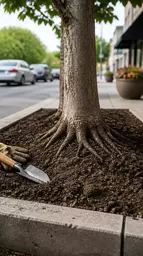 Did you know that proper soil management can significantly enhance the health of urban trees? Unders
 As winter approaches, it’s not just people who need to prepare for the cold; our trees do too. Wit
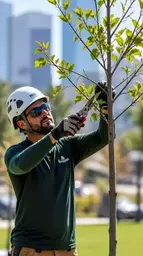 Structural pruning is more than just a gardening technique; it’s a critical practice for nurturing