Urban Pest Management Strategies
Posted on: 2026-04-25
By: Keira Vallejo
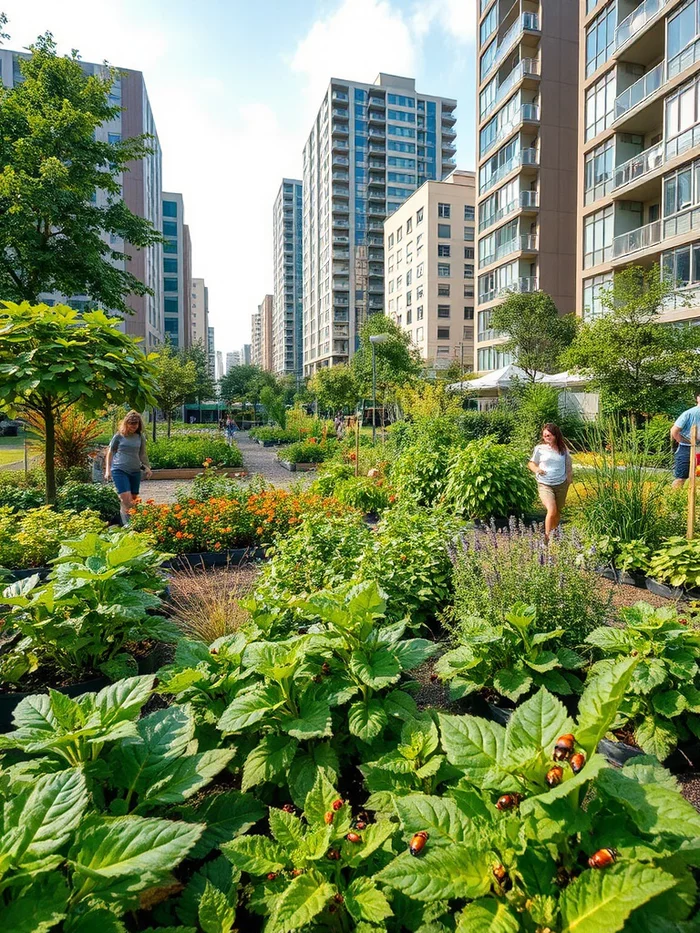
The future of urban landscapes is intertwined with sustainable practices that protect our environment while enhancing community health. As cities grow, the challenge of managing pests becomes more pronounced. Integrated Pest Management (IPM) emerges as a beacon of hope, offering adaptable strategies that work in harmony with nature. This approach not only fosters vibrant green spaces but also cultivates a deeper appreciation for our urban ecosystems.
What You Will Learn
- Understanding IPM: Integrated Pest Management is not just about chemicals; it’s a comprehensive strategy that emphasizes prevention and long-term pest control through a mix of techniques.
- Key IPM Principles: Effective pest management involves monitoring pest populations, accurate diagnosis, and employing a tiered approach that prioritizes cultural and biological methods before considering chemical solutions.
- Cultural and Mechanical Controls: Strategies like crop rotation, proper watering, and physical barriers can significantly reduce pest habitats, leading to healthier urban environments.
- Biological Control Methods: Utilizing beneficial insects and microbial pesticides are critical components of IPM that harness nature's own solutions to manage pests sustainably.
- When to Use Chemicals: Chemical pesticides should be a last resort, used only in severe infestations or when other methods have failed, focusing on targeted application to mitigate environmental impact.
- Community Engagement: Successful IPM relies on the involvement of local stakeholders, promoting education and collaborative efforts to enhance pest management initiatives.
- Assessing ROI: The implementation of IPM can yield long-term savings and benefits, such as reduced pesticide costs and improved plant health, ultimately enhancing community satisfaction.
- Climate Adaptation Strategies: Incorporating climate adaptation into IPM practices ensures urban landscapes remain resilient in the face of changing environmental conditions.
Key Principles and Strategies of Integrated Pest Management
Understanding the core principles of IPM can enhance urban pest management effectively. The following visual delineates the essential strategies utilized in IPM processes.
Monitoring
Regularly observing and identifying pest populations helps in making informed management decisions.
Diagnosis
Correctly identifying pests and understanding their life cycles is essential for choosing effective control methods.
Tiered Approaches
Using a combination of cultural, mechanical, biological, and chemical methods ensures effective and eco-friendly pest management.
Cultural Controls
Strategies like crop rotation and proper watering that alter environments to deter pests.
Biological Controls
Utilizing beneficial insects and microbial pesticides to naturally manage pest populations.
Chemical Controls
Using pesticides as a last resort for severe infestations when other methods are ineffective.
Understanding Integrated Pest Management: A Sustainable Approach for Urban Landscapes
When it comes to keeping our urban environments healthy and thriving, Integrated Pest Management (IPM) stands out as a vital strategy. It fosters a holistic approach to pest control, combining various methods to manage pest populations effectively. This is especially important in city landscapes, where a balance between maintaining beautiful spaces and ensuring ecological health is crucial. As we navigate these challenges, IPM offers a sustainable solution that protects both our plants and the environment.
Defining Integrated Pest Management (IPM) and Its Importance
What is Integrated Pest Management?
Integrated Pest Management is a comprehensive approach that focuses on long-term prevention and management of pests through a blend of techniques. Rather than relying solely on chemical treatments, IPM emphasizes understanding pest life cycles, environmental conditions, and the interactions between pests and their environment. This approach not only helps in controlling pest populations but also minimizes risks to human health and the ecosystem.
In urban settings, where green spaces are often limited, implementing IPM can lead to healthier landscapes. It encourages the use of natural predators, cultural methods, and biological solutions, reducing our dependence on harsh chemicals. By adopting IPM, communities can enjoy vibrant city greenery while also safeguarding their health and the environment around them.
The effectiveness of IPM also relies on professional tree care to ensure that trees are healthy and resilient, making them less susceptible to pest infestations. This proactive approach complements IPM strategies by creating a robust first line of defense against pests.
Key Principles of IPM: Monitoring, Diagnosis, and Tiered Approaches
The strength of IPM lies in its structured methodology. Here are some key principles that guide effective IPM practices:
- Monitoring: Regularly observing and identifying pest populations helps in making informed management decisions.
- Diagnosis: Correctly identifying pests and understanding their life cycles is essential for choosing the most effective control methods.
- Tiered Approaches: Using a combination of cultural, mechanical, biological, and, as a last resort, chemical methods ensures that pest management is both effective and environmentally friendly.
Frequently Asked Questions About IPM
- What is Integrated Pest Management (IPM)?
IPM is a sustainable approach to pest control that combines various methods to manage pests effectively while minimizing environmental impact.
- What are the key principles of IPM?
The key principles include monitoring pest populations, accurate diagnosis, and using a tiered approach that prioritizes cultural, mechanical, and biological controls before chemical methods.
- How do cultural and mechanical controls help in IPM?
Cultural controls like crop rotation and proper watering, along with mechanical controls such as physical barriers, create less hospitable environments for pests.
- What role do biological control methods play in IPM?
Biological control methods utilize natural predators and microorganisms to manage pest populations sustainably.
- When should chemical pesticides be considered in IPM?
Chemical pesticides should be a last resort, used only when other methods have failed or in cases of severe infestation.
- Why is community engagement important in IPM?
Community engagement is crucial for IPM success, fostering collaborative efforts through education and participation in local pest management plans.
- How does IPM adapt to climate change?
IPM integrates climate adaptation strategies such as planting native species and adjusting practices based on changing weather patterns to enhance resilience.
By following these principles, urban communities can respond effectively to pest challenges, ensuring that our city landscapes remain healthy and beautiful. It's about working with nature rather than against it!
Core Strategies in Urban Integrated Pest Management
Cultural and Mechanical Controls in Urban Landscapes
One of the first lines of defense in IPM is the use of cultural and mechanical controls. These strategies focus on altering the environment to make it less hospitable for pests. Here are some effective methods:
- Crop Rotation: Changing plant varieties each year can disrupt pest life cycles.
- Proper Watering: Avoiding overwatering reduces diseases related to excess moisture.
- Physical Barriers: Using nets or row covers can protect plants from pest invasions.
By implementing these strategies, we can create less inviting spaces for pests, leading to healthier urban landscapes. Plus, it encourages community involvement in maintaining our shared green spaces!
Utilizing Biological Control Methods for Pest Management
Another fascinating aspect of IPM is the use of biological control methods. This approach harnesses the power of nature to keep pest populations in check. Here are some popular biological control strategies:
- Beneficial Insects: Introducing ladybugs or lacewings can help control aphid populations.
- Nematodes: These tiny worms attack pest larvae in the soil, providing a natural form of pest management.
- Microbial Pesticides: Using naturally occurring bacteria or fungi can target specific pests without harming beneficial insects.
By incorporating biological control methods, we can work towards a more sustainable approach to pest management in our urban areas. It’s like having nature’s own army helping us maintain our beautiful landscapes!
Moreover, keeping up with seasonal tree care is essential to ensure trees are vigorous and resistant to pests, enhancing the effectiveness of biological controls. Regular maintenance helps maintain the balance of beneficial organisms and strengthens the overall health of the ecosystem.
When to Consider Chemical Pesticides: The Last Resort
While IPM encourages minimizing chemical use, there are times when it may be necessary to use pesticides. However, this should always be a last resort. Here's when you should consider chemical pesticides:
- Severe Infestation: When pests threaten the health of plants or pose a significant risk to public health.
- No Effective Alternatives: If other control methods have proven unsuccessful after thorough monitoring.
- Targeted Application: Applying in a controlled manner, focusing on the specific pest to minimize environmental impact.
Using chemicals mindfully can help manage pest populations effectively while still adhering to the core principles of IPM. Remember, the goal is to protect our urban trees and landscapes while being conscious of our environment!
Applications of IPM in Urban Settings
As we explore the applications of Integrated Pest Management, it's clear that its principles can vastly improve the health of our urban landscapes. By combining various methods, we can manage pests effectively while enhancing our green spaces. This way, we not only care for our trees but also cultivate a deeper appreciation for the role they play in our lives. Together, let’s embrace IPM as a sustainable solution for our communities!
Interactive Poll: Your Thoughts on IPM!
As we delve deeper into Integrated Pest Management, we want to hear from you! What aspect of IPM do you think is most crucial for urban landscapes?
Evaluating the Impact and Future of Integrated Pest Management in Urban Landscapes
As we explore the long-term benefits of Integrated Pest Management (IPM), it’s essential to recognize how this sustainable approach can transform urban landscapes. By focusing on environmentally friendly practices, IPM not only minimizes pest issues but also enhances community health. The future of urban environments depends on our ability to adapt and implement these strategies effectively!
One of the standout features of IPM is its ability to deliver a solid return on investment (ROI). This means that while there may be initial costs related to implementing IPM practices, the long-term savings—such as reduced pesticide use and improved plant health—can be quite significant. Urban Canopy Blog emphasizes the importance of evaluating these practices to ensure they are effective and financially viable for communities.
Long-Term Benefits of Integrated Pest Management
Assessing ROI and Efficacy of IPM Practices
Evaluating the effectiveness of IPM practices involves careful tracking of costs and benefits. Here are some areas to consider when assessing ROI:
- Reduction in pesticide costs due to fewer applications
- Improved plant health leading to lower replacement costs
- Enhanced community satisfaction and aesthetic appeal of urban green spaces
These factors not only contribute to cost savings but also promote a healthier environment for both people and wildlife. It’s about making smart choices that yield ongoing benefits!
Enhancing Biodiversity and Reducing Pesticide Use
Another significant advantage of IPM is its contribution to urban biodiversity. By focusing on ecosystem health, we can:
- Encourage beneficial insects and pollinators
- Promote a diverse range of plant species
- Reduce reliance on harmful chemical pesticides
By fostering a rich biodiversity, urban landscapes become more resilient to pests and diseases, ensuring vibrant communities for generations to come!
Encouraging Community Engagement in IPM Initiatives
Engaging Local Stakeholders in Urban Pest Management
Engaging local stakeholders is crucial for successful IPM initiatives. Involving residents, community organizations, and local businesses can lead to more collaborative pest management efforts. Here are some ways to enhance community involvement:
- Hosting workshops and informational sessions to educate residents
- Creating volunteer programs for community clean-up and monitoring
- Encouraging feedback and participation in local IPM plans
These actions foster a sense of ownership and responsibility, making pest management a community effort!
Furthermore, to ensure long-term success, it's important to consider urban trees diversity for health, as a diverse ecosystem is naturally more resilient to pest infestations and diseases. Planting a variety of tree species can help create a more balanced and sustainable urban environment.
The Role of Education and Awareness in IPM Success
Education plays a fundamental role in making IPM successful. By sharing knowledge about pest behaviors and management techniques, we can empower community members. Here’s how education can enhance IPM success:
- Providing training on identifying pests and beneficial insects
- Sharing best practices for maintaining healthy landscapes
- Promoting awareness of the environmental benefits of reduced pesticide use
Knowledge is key! When communities understand the impacts of their actions, they are more likely to adopt sustainable practices.
Planning for Resilience: Adapting IPM to Climate Change
Integrating Climate Adaptation Strategies into Urban IPM
Climate change presents new challenges for urban pest management. By integrating climate adaptation strategies into IPM, we can enhance resilience in our landscapes. Some effective strategies include:
- Planting native and drought-resistant species
- Adjusting pest management practices based on changing weather patterns
- Implementing water conservation techniques to support healthy plant growth
By proactively adapting to climate changes, we can ensure that our urban landscapes remain vibrant and healthy.
Taking Action: Steps Towards Implementing IPM in Your Community
Resources for Urban Landscapes: Getting Started with IPM
Ready to implement IPM in your community? Here are some valuable steps to get started:
- Research local resources and organizations focused on IPM
- Form a community committee to discuss pest management needs
- Set goals and create a strategic plan for IPM implementation
With guidance from resources like Urban Canopy Blog, you can pave the way for a greener, healthier city!
Contact Information for Local IPM Programs and Extensions
To further assist in your IPM journey, here’s how you can connect with local experts:
- Contact your local agricultural extension office for resources
- Join community forums or groups focused on urban greening
- Follow social media pages dedicated to sustainable practices
Engaging with these programs will provide the support needed to successfully implement IPM initiatives in your area.
Understanding Pest Population Dynamics and Risk Assessment
Utilizing Data-Driven Decision Making in Pest Management
Understanding pest population dynamics is crucial for effective IPM. By utilizing data-driven decision-making, communities can better anticipate pest issues. Consider these steps to integrate data into pest management:
- Gather data on pest populations and their natural enemies
- Analyze trends to identify peak pest seasons
- Establish monitoring systems for real-time data collection
Considering seasonal care for city trees can also help in anticipating and managing pest populations, as certain pests are more active during specific times of the year. Adapting care practices to the seasons helps maintain tree health and reduces pest vulnerability.
By staying ahead of pest trends, urban landscapes can respond proactively!
Pest Risk Assessment and Its Importance in Urban IPM
Conducting a thorough pest risk assessment is vital for effective management. This involves:
- Identifying potential pest threats in your area
- Assessing the impact of these pests on urban health and landscapes
- Formulating a responsive IPM strategy based on assessed risks
Through careful planning and assessment, communities can effectively navigate the challenges posed by pests, ensuring a thriving urban environment.
Recap of Key Points
Here is a quick recap of the important points discussed in the article:
- Integrated Pest Management (IPM) is a holistic approach that combines various pest control methods to protect urban landscapes while minimizing environmental impact.
- Key Principles of IPM include monitoring pest populations, accurate diagnosis, and employing tiered approaches that prioritize cultural, mechanical, and biological controls before resorting to chemical methods.
- Cultural and Mechanical Controls such as crop rotation, proper watering, and physical barriers help create less hospitable environments for pests.
- Biological Control Methods utilize natural predators and microorganisms to manage pest populations sustainably.
- Chemical Pesticides should be used as a last resort, only when other methods have failed or in cases of severe infestation.
- Community Engagement is crucial for successful IPM initiatives, encouraging local involvement through education and collaborative efforts.
- Adapting to Climate Change involves integrating climate adaptation strategies into IPM practices to enhance resilience in urban landscapes.
- Data-Driven Decision Making supports effective pest management by utilizing real-time data and conducting thorough risk assessments.

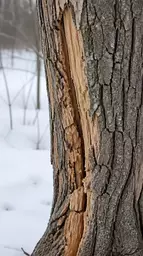 As winter approaches, trees in urban landscapes face unique challenges that can threaten their healt
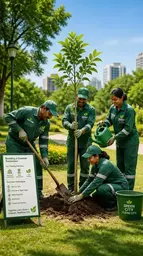 Did you know that trees in urban areas can significantly enhance community health and aesthetics? Wi
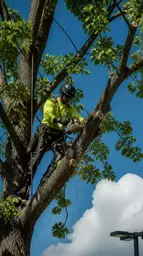 Did you know that proper windproofing of urban trees can significantly enhance their resilience agai