Transplanting Methods
- Ball-and-Burlap: Ideal for larger trees, protects roots during transport.
- Bare-Root: Best for smaller trees, removes soil for easier handling.
Subscribe to get expert tips and the latest insights on tree care and urban greening directly to your inbox.
Posted on: 2026-04-16
By: Keira Vallejo
Have you ever wondered how to successfully transplant mature trees in urban settings to enhance our green spaces? Mastering the art of tree relocation not only beautifies our environment but also plays a vital role in urban ecology. Here’s a concise guide to the best practices that ensure our leafy friends thrive in their new homes.
Understanding the differences between transplanting methods and their associated costs can help in making informed decisions for urban tree care.
Transplanting mature city trees is a crucial skill that can significantly enhance our urban landscapes. At Urban Canopy Blog, we believe that understanding the best practices for this process not only helps in preserving valuable trees but also aids in creating healthier environments for our communities. By diving into the specifics of timing, tools, and techniques, we can ensure that our beloved trees thrive even after relocation.
Timing plays a vital role in the successful transplanting of urban trees. Ideally, the best seasons for transplanting are during fall and early spring when trees are dormant. By choosing these periods, we minimize stress on the tree and increase the chances of survival, allowing it to adapt better to its new home.
Additionally, pre-watering and root pruning strategies are essential to prepare the tree for its move. Watering a few days prior to transplanting helps hydrate the roots and makes the tree more resilient. Root pruning, done a few months before the actual move, encourages the growth of new feeder roots that will support the tree in its new location.
Choosing the right season can make all the difference. Fall and early spring are optimal because trees are not actively growing, reducing transplant shock. During these times, trees are less likely to lose leaves or suffer damage from environmental stress.
So, if you’re planning to transplant a tree, mark your calendar for these key seasons! Not only will you give your tree the best shot at thriving, but you'll also contribute to a more vibrant urban landscape.
Implementing effective pre-watering and root pruning strategies is crucial. Start by watering the tree deeply a few days before the move. This will hydrate the root system and make the tree more resilient during transplanting.
As for root pruning, aim to do this about three months before the transplant date. This technique encourages new roots to grow closer to the trunk, allowing for a smaller root ball when it's time to move. Imagine how much easier it will be to relocate a well-prepared tree!
Once you’ve established the timing, it’s time to prepare for the actual transplant operation. The right tools can make all the difference in ensuring a smooth process. Essential tools include a shovel, pruning saw, and a sturdy tarp for transporting the tree. Making sure you have everything on hand before you start will save you time and reduce stress.
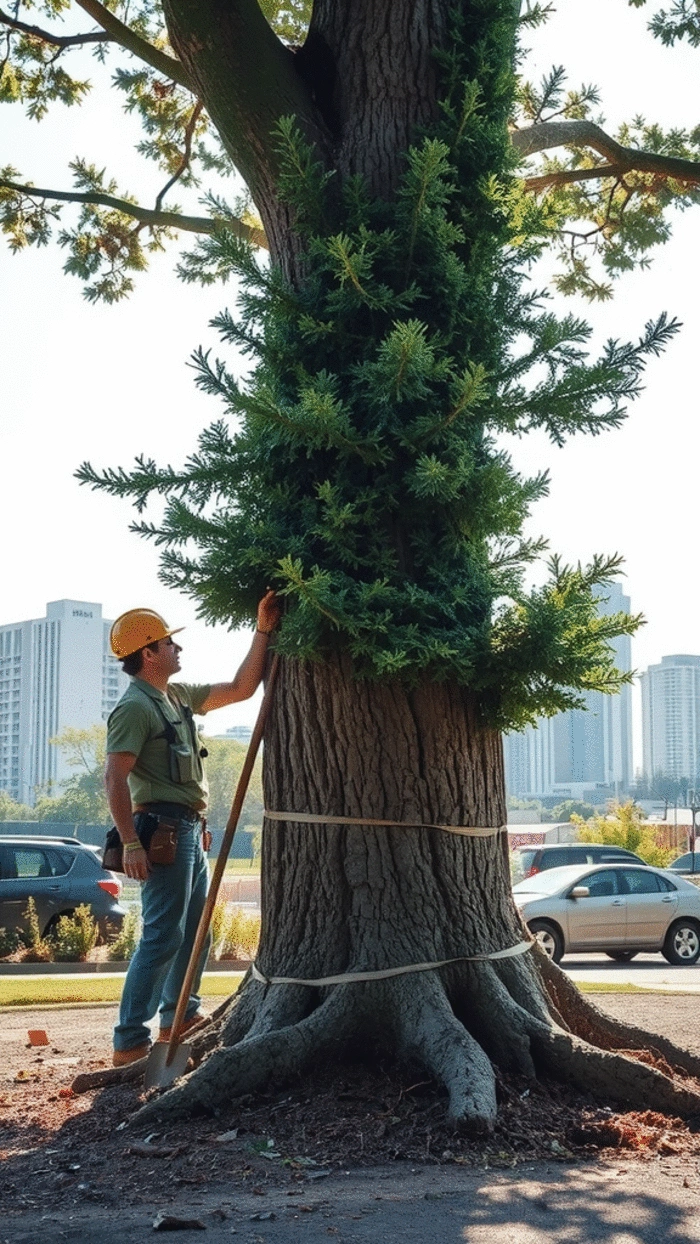
Next, determining the correct size of the root ball is crucial. A general rule of thumb is to measure the tree's diameter and create a root ball that is about 10 to 12 inches wide for every inch of trunk diameter. This practice establishes a solid foundation for the tree in its new environment.
Using the right tools can greatly enhance your transplanting experience. Here’s a list of essential equipment to gather:
Having these tools ready will make your transplanting operation more efficient and effective, allowing you to focus on ensuring that the tree's move goes smoothly.
Getting the root ball size right is critical for the health of the transplanted tree. A well-sized root ball can help the tree establish itself more quickly. Remember, it's better to err on the side of caution—aim for a root ball size that supports the tree’s structure and gives it the best chance to flourish in its new location.
Before the big move, it's essential to assess the new site. Look for areas with suitable sunlight, drainage, and space for the tree to grow. Consider nearby structures and utilities that might interfere with the tree's growth in the future.
By choosing the right location, you set your tree up for long-term success, allowing it to thrive and contribute to the greenery of our urban spaces. At Urban Canopy Blog, we’re always here to guide you with practical tips to make your tree transplanting endeavors as successful as possible!
Now that we’ve covered the basics, let’s look at how to dig and prepare the root ball effectively. The methods you choose will depend on whether you're going for a ball-and-burlap or bare-root method. Each approach has its own advantages, but both require careful handling to preserve the tree's health.
Understanding feeder roots and their importance is another key aspect of this process. These roots absorb water and nutrients, playing a critical role in sustaining the tree’s health post-transplant. Ensuring that these roots are intact during the digging process will greatly improve the tree's chances of survival.
When transplanting, you’ll generally have two options: ball-and-burlap and bare-root methods. Here’s a brief comparison:
Both methods have their place, but remember that the selection depends on the size of the tree and the conditions of your urban landscape.
Feeder roots are essential for a tree’s survival, especially after transplanting. These fine roots are responsible for absorbing water and nutrients from the soil. When digging up the root ball, take extra care to preserve these roots, as their health directly impacts the tree’s recovery and growth.
By nurturing the feeder roots during the transplant process, you can ensure that your tree adapts well to its new environment and continues to thrive in the years to come.
Soil preparation is another critical step in the transplanting process. Before placing your tree in its new home, enhance the soil with organic amendments such as compost or aged manure. These additions provide essential nutrients and improve soil structure, helping the tree establish itself faster.
Ensure that the soil is well-draining but retains enough moisture for the tree's needs. Remember, the right soil conditions can significantly impact the overall health and longevity of your transplanted tree!
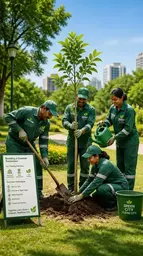
After the transplant is complete, planting techniques and aftercare practices become essential. Proper planting depth is crucial—aim for shallow planting to encourage healthy root expansion. If planted too deep, the tree may struggle to thrive in its new environment.
Backfilling with native soil mixed with compost supports the tree’s establishment. This combination aids in soil drainage and nutrient availability, which is vital during the tree’s recovery phase.
Shallow planting can help prevent issues, allowing roots to spread naturally. Here are some tips for achieving successful shallow planting:
This technique ensures your tree can access air and nutrients more easily, promoting a longer life in its new home.
When backfilling, using a mix of native soil and compost can be beneficial. The native soil provides a familiar environment for the tree, while compost offers a nutrient boost. Aim for a mix that maintains good drainage yet retains moisture.
It’s important to compact the soil lightly as you fill in around the root ball, but avoid heavy compaction that could suffocate the roots! Your goal is to create a supportive environment that encourages healthy growth.
Watering techniques post-transplant are crucial for helping your tree settle in. Watering deeply and less frequently encourages roots to grow deeper into the soil. As a rule of thumb, aim for about 1-2 inches of water per week, depending on weather conditions.
Don’t forget to apply a layer of mulch around the base of the tree! Mulching helps retain moisture, suppress weeds, and add nutrients to the soil as it breaks down. This simple practice can make a significant difference in your tree's health and growth.
Transplanting mature trees in urban areas comes with its own set of challenges. One common issue is managing concrete roots and soil compaction, which can restrict root growth. By understanding your site conditions, you can work to create a more conducive environment for your tree to flourish.
Additionally, navigating permits and regulations specific to your city is crucial. Before starting your project, make sure to check with your local government about any necessary permissions.
Concrete roots and compacted soil can hinder a tree’s ability to grow. Here are some strategies to manage these challenges:
By addressing these concerns, you're setting your tree up for a brighter future in the city!
Before transplanting, it's essential to look into local regulations and permits. Each city has its policies regarding tree removal and transplantation, so checking your local government websites or consulting with urban forestry departments is a smart move.
Understanding these requirements can save you time and trouble, ensuring your transplanting efforts align with city guidelines and contribute positively to urban forestry initiatives.
Working with local governments can amplify your efforts in urban tree transplanting. Many cities have programs aimed at enhancing green spaces, so don't hesitate to reach out! Collaboration can lead to additional resources, guidance, and support for your projects.
At Urban Canopy Blog, we’re all about fostering community engagement and sharing knowledge. Together, we can create a greener, healthier city for everyone!
Did you know? The health of a transplanted tree can greatly benefit from a post-transplant care routine that includes regular monitoring for pests and diseases. Early detection is key!
Once you've successfully transplanted a mature tree, the work doesn’t stop there! Long-term care and monitoring are essential to ensure that your newly relocated friend thrives in its new environment. At Urban Canopy Blog, I believe that understanding the ongoing needs of transplanted trees can make a significant difference in their health and longevity. Let's dive into the best practices for keeping your trees healthy and robust.
Effective monitoring starts with recognizing potential issues before they escalate. One of the crucial steps is ensuring stability through appropriate staking and support solutions. Staking helps prevent movement in the root zone, which can disturb the delicate new roots. You might consider using materials like tree straps and stakes to provide the necessary support.
In addition to stability, watering and fertilization are key. After transplanting, keep a close eye on moisture levels. Newly transplanted trees often require more water than established ones. It’s also a good idea to apply a balanced fertilizer to give your trees a nutritious boost as they adapt to their new environment.
Proper watering practices can set your tree up for success. Aim to water deeply and infrequently to encourage root growth. Here are some tips:
Fertilization should be done thoughtfully. Applying a slow-release fertilizer can help your tree develop strong roots without overwhelming it. Remember, it's all about helping your tree adapt!
Regular monitoring is essential to catch any signs of distress early on. I recommend checking your trees weekly for signs of pests, diseases, or nutrient deficiencies. You can look for:
Keeping a journal of your tree's growth and health can also help you identify trends or issues over time. The more you observe, the more you'll learn about what your tree needs!
When it comes to long-term care, one question often arises: should I tackle this myself or seek professional help? Each approach has its pros and cons. For those of us who love to get our hands dirty, DIY can be rewarding, but understanding the challenges is important.
Consider your comfort level, the tree's size, and the specific care needed when making this decision. It might be worth seeking a consultation with a professional arborist for their expert insights!
It's crucial to have a clear understanding of potential costs associated with transplanting and ongoing care. Here's a rough estimate to guide you:
Ultimately, the investment in care can lead to a more resilient tree that enhances your urban environment!
Many community members come to me with questions about tree transplantation. Here are two common queries:
One mistake I often see is transplanting during the wrong time of year. It’s vital to stick to optimal seasons like fall or early spring when trees are dormant. Another error is not preparing the root ball correctly, which can hinder growth. Proper preparation makes a world of difference!
Establishing a transplanted tree can take anywhere from one to three years, depending on various factors like the tree species, size, and local conditions. Patience is key! Keeping an eye on their progress and providing consistent care will surely pay off.
As we wrap up our exploration of long-term monitoring and care for transplanted trees, I encourage you to embrace sustainable practices. Each action you take contributes to healthier urban environments. What steps can you take today to help your trees thrive in their new homes?
Being an active participant in urban forestry is rewarding! By sharing your experiences and techniques learned, you can inspire others in your community to take care of their trees. Together, we can nurture a greener future!
Join local initiatives or events focused on tree care. Whether it’s volunteering or spreading the word, every bit of effort counts. Let’s work together to make our city greener and more vibrant. What are you waiting for? Get involved today!
Remember that understanding the urban tree lifecycle is crucial for effective care and maintenance.
Here is a quick recap of the important points discussed in the article: