Caring for Trees After Storms
Posted on: 2026-05-20
By: Keira Vallejo
Did you know that urban trees play a critical role in enhancing community resilience against storms? Understanding how to care for them after severe weather can make all the difference in their survival and the safety of our neighborhoods. This article dives into the essential steps and knowledge needed to ensure that our beloved trees remain healthy and safe.
What You Will Learn
- How to recognize common signs of storm damage, including broken branches and downed trees.
- The importance of immediate safety measures, such as avoiding downed power lines and assessing tree stability.
- Key steps for effective storm cleanup, including visual inspections and safe removal of hazards.
- Strategies for ongoing recovery, such as deep watering, mulching, and soil aeration to support tree health.
- The role of community involvement in urban forestry and how it enhances resilience against future storms.
- When to contact professionals for tree care and the significance of knowing local ordinances related to tree preservation.
Impact of Storms on Urban Trees and Key Recovery Steps
Understanding the effects of storms on urban trees and the essential steps for recovery can help maintain the health of our community's green spaces.
Signs of Storm Damage
- 🔹 Broken branches or limbs
- 🔹 Downed trees blocking pathways or vehicles
- 🔹 Visible cracks in the trunk or bark
Key Steps for Tree Care
- 🔸 Conduct a visual inspection of trees
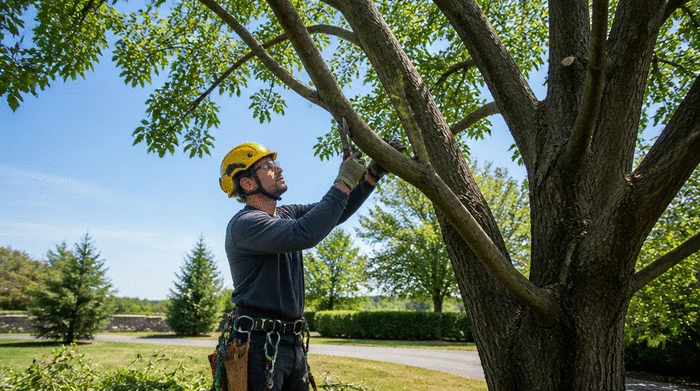
- 🔸 Safely remove broken or hanging limbs
- 🔸 Water and mulch stressed trees
- 🔸 Consult a certified arborist for advice
Understanding Storm Damage and Tree Care
Storms can be challenging for our beloved urban trees. The high winds that whip through our neighborhoods can turn these towering giants into potential hazards. Understanding how to recognize storm damage is critical for keeping both our trees and community safe. With the right knowledge, you can respond effectively to protect your trees and your surroundings!
Recognizing the Impact of High Winds on Trees
When strong winds blow, they can wreak havoc on trees. Some trees might lose branches, while others may even topple entirely. It's essential to be aware of common signs of storm damage so you can act quickly to address the situation.
- Broken branches or limbs
- Downed trees blocking pathways or vehicles
- Visible cracks in the trunk or bark
As an urban forestry expert, I've seen firsthand how resilient trees can be. However, their health can be compromised after a storm. So, keeping a close eye on them after severe weather is crucial for their long-term survival. Consider consulting professional tree care services to ensure your trees receive the best possible care.
Signs of Storm Damage: Broken Branches and Downed Trees
After a storm, take a walk around your neighborhood to look for any broken branches or downed trees. These are clear signs that your trees may have suffered damage. Broken branches can pose a safety risk, especially if they’re hanging dangerously or lying on the ground.
If you spot a downed tree, assess the area for potential hazards. Make sure to note other vegetation and structures nearby, as these can help you determine the extent of the damage and what needs to be done next!
Potential Hazards: Hanging Limbs and Downed Power Lines
Hanging limbs can be particularly dangerous. They might look stable, but with even the slightest movement, they could fall. Always be cautious around these trees! In addition, downed power lines are a significant concern.
- Stay at least 10 feet away from downed lines
- Report any hazards to your local utility company
- Never try to move or touch a downed line yourself
By understanding these potential hazards, you can ensure the safety of yourself and your community. Remember, your vigilance today can help protect our urban trees for tomorrow!
Pro Tip
Did you know? Regular tree maintenance, including pruning and proper watering, can significantly enhance a tree's resilience against storm damage. By keeping your trees healthy year-round, you not only improve their chances of surviving severe weather but also contribute to the overall safety and aesthetics of your neighborhood.
Summarizing Key Steps for Effective Storm Cleanup
After a storm, we often find ourselves overwhelmed by the aftermath. It's essential to focus on the key steps for effective storm cleanup, especially regarding tree care. By understanding what actions to take immediately, we can ensure our beloved trees remain healthy and safe for our community.
First, remember that safety is a priority. Assess your surroundings to identify any potential hazards, such as downed power lines or unstable branches. Next, conduct a thorough damage assessment to evaluate the health of your trees and determine if they need pruning or if professional help is required.
Recap of Essential Actions for Tree Care
Here’s a quick recap of essential actions for tree care after storms:
- Conduct a visual inspection of trees to check for damage.
- Remove any broken or hanging limbs safely.
- Water and mulch stressed trees to promote recovery.
- Consult a certified arborist if you are unsure about tree health.
Importance of Immediate Safety and Damage Assessment
Immediate safety cannot be overstated. After a storm, it’s crucial to ensure that your environment is free from dangers that could cause further incidents. Proper damage assessment helps identify which trees are salvageable and which pose a risk to your property or loved ones. With my experience at Urban Canopy Blog, I've seen many community members overlook these steps, leading to unnecessary injuries or further damage.
Damage assessment should focus on three main areas: the trunk, canopy, and root system. Look for any signs of leaning or cracks that may indicate structural issues. If you identify any problems, don't hesitate to reach out for help—sometimes, a professional's eye can spot things we might miss. For insights on ensuring long-term tree health and stability, consider exploring deep root strategies for urban trees.
Ongoing Recovery and Preventive Care Measures
Once the initial cleanup is done, it’s time to focus on ongoing recovery and preventive care. Here are some strategies to consider:
- Water trees deeply to help them recover from stress.
- Apply mulch to protect the root zone from temperature fluctuations.
- Consider aerating the soil and applying fertilizer to support growth.
Before proceeding, let's address some of the frequently asked questions about post-storm tree care:
Frequently Asked Questions (FAQs)
- What are the first steps to take after a storm to ensure tree safety?
First, assess your surroundings for hazards like downed power lines and unstable branches. Conduct a visual inspection of your trees, looking for any signs of damage such as broken limbs or cracks in the trunk. Prioritize safety and avoid touching any downed power lines.
- How can I tell if a tree is salvageable after a storm?
Assess the tree's trunk, canopy, and root system. Look for significant leaning, large cracks, or extensive root damage. If more than 50% of the tree's canopy is damaged, or if the trunk is severely compromised, it may be best to consult a certified arborist to determine if the tree can be saved.
- What kind of ongoing care should I provide to help trees recover after a storm?
Water the trees deeply to help them recover from stress. Apply a layer of mulch to protect the root zone and regulate soil temperature. Consider aerating the soil and applying a balanced fertilizer to support new growth and overall tree health.
- When is it necessary to contact a professional arborist?
Contact a certified arborist if you notice significant damage, such as large broken limbs, trunk cracks, or if you are unsure about the tree’s stability. Arborists can provide expert advice on whether a tree can be saved and how to properly care for it. They can also safely remove hazardous trees.
- How can community involvement help in urban forestry and storm resilience?
Participating in local tree care initiatives, such as community cleanup events and tree planting days, can foster a stronger connection with nature and improve the overall environment. Engaging with local resources and organizations can provide guidance on tree care and help you connect with others passionate about urban forestry.
Implementing these measures not only enhances tree health but also contributes to the resilience of our urban landscape. At Urban Canopy Blog, we believe that caring for our trees is an essential part of sustaining healthy communities. Proper mulching for healthy city trees can make a significant difference after storm events.
Urban Forestry: Enhancing Community Resilience
Urban forestry plays a vital role in enhancing community resilience against storms. By actively participating in tree care initiatives, residents can foster a stronger connection with nature while improving the overall environment. I often encourage my neighbors to get involved in community cleanup events or tree planting days. Together, we can create a greener, healthier urban space!
Remember, every tree you care for is a step toward a thriving city. Let’s work together to ensure our urban canopy remains robust and beautiful even after the storms pass.
Encouraging Action for Tree Health and Safety
Now that we've covered the essential steps for storm cleanup, it's time to take action! Your trees need your help to recover and thrive. Don't wait for another storm to strike before you think about tree health and safety.
Taking the Next Steps for Your Trees
Here are some next steps you can take for your trees:
- Contact professionals when you notice significant damage.
- Engage with community resources dedicated to tree management.
- Educate yourself on local ordinances to ensure tree preservation.
Contacting Professionals for Comprehensive Care
If you're unsure about the condition of your trees, don’t hesitate to contact a certified arborist. Their expertise can be invaluable, especially when deciding between salvaging or removing a tree. Remember, it's better to be safe than sorry!
Engaging with Community Resources for Tree Management
Local resources and organizations often provide guidance on tree care and can help you connect with others who are passionate about urban forestry. Engaging with these communities can foster a sense of togetherness as we all work towards creating healthier urban spaces. For example, understanding tree preservation regulations can help ensure that community initiatives align with local laws and promote sustainable urban forestry.
Understanding Local Ordinances for Tree Preservation
Lastly, knowing your local ordinances related to tree preservation is essential. These laws can help protect our green spaces and ensure that everyone in the community understands the importance of maintaining healthy tree populations. At Urban Canopy Blog, we are dedicated to spreading awareness about these regulations and encouraging community involvement. Let's make our cities greener together!
Recap of Key Points
Here is a quick recap of the important points discussed in the article:
- Recognize Storm Damage: Look for broken branches, downed trees, and visible cracks in the trunk or bark.
- Safety First: Stay away from downed power lines and assess the area for hazards before taking action.
- Conduct Damage Assessment: Inspect trees for health and stability, focusing on the trunk, canopy, and root system.
- Engage Professionals: Consult a certified arborist for significant damage or uncertainty about tree health.
- Ongoing Care: Water deeply, apply mulch, and consider soil aeration and fertilization to support recovery.
- Community Involvement: Participate in local tree care initiatives and educate yourself on preservation ordinances.

 What if a single checklist could protect your property and enhance its value? For property managers,
 What if the secret to thriving urban gardens lies not just in the flowers we plant, but in the trees
 Did you know that proper soil management can significantly enhance the health of urban trees? Unders