Stay Updated on Urban Forestry!

Subscribe to get expert tips and the latest insights on tree care and urban greening directly to your inbox.

Monthly Tree Health Checklist


Monthly Tree Health Checklist

Posted on: 2026-11-14
By: Keira Vallejo


Ever considered how the health of your trees can impact the environment around you? With seasonal tree health monitoring, you can catch potential issues before they escalate, ensuring that your urban landscape not only thrives but also remains beautiful throughout the year.

What You Will Learn

  • A seasonal tree health monitoring calendar is a valuable tool to organize tree care tasks throughout the year.
  • Regular inspections help identify potential threats such as pests or diseases before they cause major damage.
  • Each season requires specific tasks: Winter is for identifying dormant issues, Spring is for pruning and fertilization, Summer focuses on pest management, and Fall prepares trees for dormancy.
  • Understanding the differences between urban and suburban tree care can help tailor your maintenance strategies effectively.
  • Being aware of local regulations regarding tree care is essential for responsible maintenance practices.
  • Engaging with your community through tree care initiatives fosters a sense of collective responsibility for urban greenery.

Seasonal Tree Health Monitoring Tasks

Essential care tasks for each season to ensure thriving urban trees.

Winter

Identify dormant tree issues such as damage from snow and ice.

Spring

Prepare for new growth with pruning and fertilization.

Summer

Stay vigilant against pests and ensure proper watering.

Fall

Prepare trees for dormancy with final inspections.

Understanding the Importance of Seasonal Tree Health Monitoring

Have you ever wondered why some trees look vibrant and healthy while others seem to struggle? The secret often lies in seasonal tree health monitoring. By regularly checking in on our leafy friends, we can catch potential issues early and ensure they thrive throughout the year. This approach not only promotes a healthy urban ecosystem but also enhances the beauty of our surroundings.

At Urban Canopy Blog, we believe that understanding how to care for trees in each season is fundamental. Trees experience unique challenges depending on the time of year, and knowing when and how to monitor their health can lead to stronger, more resilient trees. Let’s explore the process of creating a seasonal tree health monitoring calendar that aligns with the specific needs of your urban landscape.

Defining the Seasonal Tree Health Monitoring Calendar

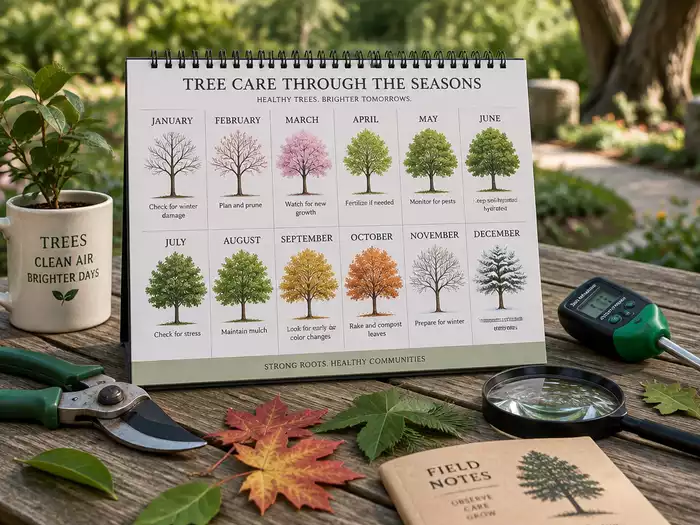
A seasonal tree health monitoring calendar is a simple yet effective tool that helps you keep track of important care tasks throughout the year. This calendar divides tree care into manageable monthly tasks, ensuring you never miss a beat when it comes to maintaining tree health. By defining specific activities for each season, you can stay organized and proactive. For more detailed information on seasonal care, consider our seasonal urban tree care guide.

  • Winter: Focus on identifying dormant tree issues.
  • Spring: Prepare for new growth with pruning and fertilization.
  • Summer: Stay vigilant against pests and ensure proper watering.
  • Fall: Prepare trees for dormancy with final inspections.

Creating this calendar not only helps you keep track of tasks but can also help you engage with your community. Share your calendar with neighbors or organize tree care events! This small step can lead to a stronger sense of community responsibility for our urban forests.

Why Regular Tree Health Inspections Matter

Regular inspections of tree health are essential for several reasons. First, they allow us to identify potential threats—like disease or pests—before they escalate. Just like we visit the doctor for check-ups, trees require attention too! By monitoring their health, we can take preventative measures that save us time and money in the long run. If you're wondering about the best practices, our guide on benefits of professional tree care offers valuable insights.

Additionally, regular inspections contribute to a healthier city environment. Trees help filter our air, reduce noise pollution, and improve overall well-being. When we ensure their health, we're not just taking care of trees; we're enhancing the quality of life in our communities!

  • Identifying problems early prevents major damage.
  • Regular care improves air quality and urban aesthetics.
  • Healthy trees can withstand environmental stresses better.

In my experience as an urban forestry expert, I have seen firsthand how regular health checks have transformed city landscapes. It’s incredible to witness communities come together to care for their trees, fostering a greener future for everyone. The journey towards sustainable urban forestry starts with each of us, so let’s make it a priority!

Addressing Common Questions About Seasonal Tree Care

When it comes to taking care of our urban trees, questions often arise. As someone who has spent over a decade in urban forestry, I understand how important it is to have clear answers. In this section, we’ll tackle some of the most common questions I encounter regarding seasonal tree care. This knowledge will help you feel more confident in maintaining the trees in your community!

Whether you're a seasoned gardener or just starting your journey in tree care, knowing what to look for and how often to inspect your trees is crucial. Let’s dive in!

How Often Should Trees Be Inspected Throughout the Year?

Regular inspections of your trees are essential for their health and longevity. Ideally, you should inspect your trees at least four times a year—once per season. Here's a quick breakdown of what to check for in each season:

  • Winter: Look for signs of damage from snow and ice.
  • Spring: Check for new growth and any signs of disease.
  • Summer: Monitor for pests and irrigation needs.
  • Fall: Ensure trees are ready for winter dormancy.

This proactive approach not only prevents potential issues but also enhances the vitality of your urban greenery. Remember, a little attention goes a long way in nurturing healthy trees!

What Are the Key Differences in Monitoring Urban vs. Suburban Trees?

Urban and suburban trees face different challenges due to their environments. Here are some key differences to keep in mind when monitoring tree health:

  • Urban Trees: Often subjected to limited space, poor soil quality, and higher pollution levels.
  • Suburban Trees: Generally benefit from more space but may face competition for resources from other vegetation.
  • Visibility: Urban trees may be more visible to the public, increasing the need for aesthetic maintenance.

Understanding these differences can help tailor your tree care strategies effectively. For more specific advice, check out our article on summer tree care tips for cities. At Urban Canopy Blog, I aim to empower urban communities, so you can engage with the unique challenges of your local trees!

Understanding Local Regulations for Tree Care

It’s essential to be aware of any local regulations regarding tree care in your area. Many cities have ordinances that govern tree maintenance, especially for public trees. Here are some typical regulations you might encounter:

  • Pruning Guidelines: Specific times of year for pruning to protect wildlife.
  • Removal Permits: Requirements for removing trees on public land.
  • Planting Restrictions: Rules about which species can be planted in certain areas.

Always check with your local municipality or community board. For additional insights into regulations, our guide on understanding tree preservation regulations can be very helpful. This helps ensure your tree care practices align with community standards and promote a healthier urban landscape!

FAQs About Seasonal Tree Health Monitoring

Here are some frequently asked questions about seasonal tree health monitoring:

Q: Why is seasonal tree health monitoring important?
A: Seasonal tree health monitoring is crucial for identifying potential issues like pests, diseases, or environmental damage early, ensuring trees remain vibrant and resilient throughout the year. This proactive approach supports a healthy urban ecosystem and enhances the beauty of our surroundings.
Q: What is a seasonal tree health monitoring calendar?
A: A seasonal tree health monitoring calendar is a tool that helps organize and track specific tree care tasks throughout the year, divided by season. It ensures that essential maintenance, such as pruning, fertilization, pest management, and pre-dormancy inspections, are performed at optimal times.
Q: How often should I inspect my trees?
A: Ideally, trees should be inspected at least four times a year—once per season. Each season presents unique challenges and requires specific checks, such as looking for winter damage, new growth issues in spring, pests in summer, and preparing for dormancy in fall.
Q: What are the main differences in caring for urban versus suburban trees?
A: Urban trees often face challenges like limited space, poor soil quality, and higher pollution levels, requiring more targeted care. Suburban trees generally have more space but might compete for resources with other vegetation. Urban trees also have higher visibility, increasing the need for aesthetic maintenance.
Q: Why do local regulations matter for tree care?
A: Local regulations are important because many cities have ordinances governing tree maintenance, especially for public trees. These regulations might cover pruning guidelines, requirements for removal permits, and restrictions on planting certain species. Adhering to these rules ensures your tree care practices align with community standards and promote a healthier urban landscape.

Conclusion and Call to Action for Tree Health Management

Incorporating seasonal monitoring into your tree care routine can significantly benefit your urban environment. By staying engaged and informed, you can make a real difference! If you’re ready to enhance your tree care game, don’t forget to download your comprehensive seasonal tree health monitoring calendar today. Let's work together to foster healthier, greener cities!

Remember, every effort counts. Share your experiences with your neighbors and inspire them to join you in this journey. Together, we can cultivate a thriving urban canopy that benefits us all!

Recap of Key Points

Here is a quick recap of the important points discussed in the article:
  • Seasonal tree health monitoring is essential for maintaining vibrant and resilient trees.
  • Create a seasonal tree health monitoring calendar with specific tasks for each season:
    • Winter: Identify dormant tree issues.
    • Spring: Prepare for new growth with pruning and fertilization.
    • Summer: Monitor for pests and ensure proper watering.
    • Fall: Final inspections to prepare trees for dormancy.
  • Regular inspections (at least four times a year) help catch potential threats early, improving tree health and urban aesthetics.
  • Understand the differences in monitoring urban vs. suburban trees to tailor care strategies effectively.
  • Be aware of local regulations related to tree care, including pruning guidelines and removal permits.

Subscribe & Share
Monthly Tree Health Checklist Monthly Tree Health Checklist Ever considered how the health of your trees can impact the environment around you? With seasonal tr
Tree Support: Stakes and Anchors Tree Support: Stakes and Anchors Did you know that a well-supported tree can significantly improve air quality and provide vital habi
Reapply Mulch This Summer Reapply Mulch This Summer When summer heat bears down on your garden, knowing how to care for your plants becomes essential fo
Welcome to Urban Canopy Blog!
Empowering Urban Greenery

Urban Canopy Blog is dedicated to nurturing city landscapes by providing expert insights on tree care and the countless benefits they offer. Our mission is to equip urban communities with the knowledge they need to enhance their green spaces.


Recent Posts
Monthly Tree Health Checklist Monthly Tree Health Checklist

Ever considered how the health of your trees can i

Tree Support: Stakes and Anchors Tree Support: Stakes and Anchors

Did you know that a well-supported tree can signif

Reapply Mulch This Summer Reapply Mulch This Summer

When summer heat bears down on your garden, knowin