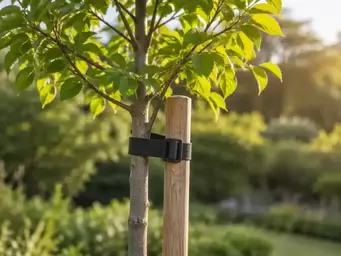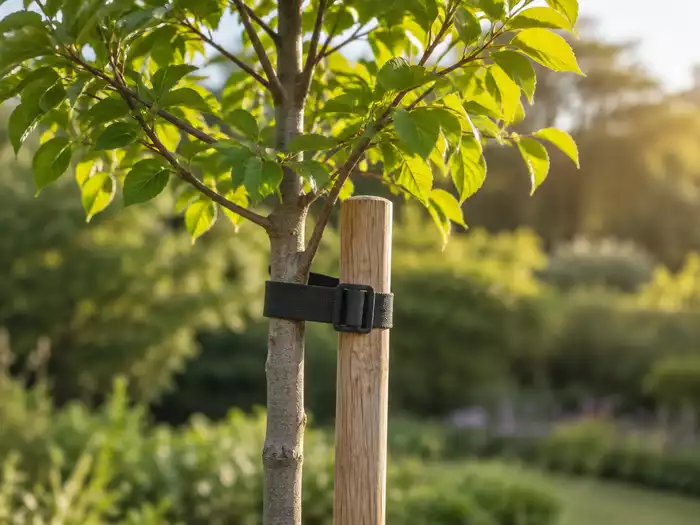
Staking
Best For: Young trees, especially in open areas.
Pros:
- Promotes upright growth
- Simple installation
Cons:
- Can restrict natural movement if over-tightened
- Visible support structure
Subscribe to get expert tips and the latest insights on tree care and urban greening directly to your inbox.
Posted on: 2026-11-08
By: Keira Vallejo
Did you know that a well-supported tree can significantly improve air quality and provide vital habitats for urban wildlife? Understanding the intricacies of tree support systems is essential for fostering thriving green spaces in our cities. Let's delve into the key insights you'll gain from this comprehensive guide on nurturing young trees through effective support methods.
Different techniques for tree support play vital roles in ensuring healthy growth. Below is a comparison of staking, guying, and underground anchoring methods based on suitability and scenarios. For more in-depth information on how proper care can benefit your urban trees, consider exploring the benefits of professional tree care.
Best For: Young trees, especially in open areas.
Pros:
Cons:
Best For: Taller trees or those in windy areas.
Pros:
Cons:
Best For: Larger trees in public spaces.
Pros:
Cons:
When it comes to nurturing our urban landscapes, understanding tree support systems is essential. These systems are designed to help young trees establish themselves in a stable environment. Just like how we need support during tough times, young trees require assistance to grow tall and strong in their new homes.
At Urban Canopy Blog, I believe that educating ourselves about tree care is key to creating healthier city spaces. A solid tree support system can make all the difference, ensuring that trees thrive and contribute to our communities for years to come!
Tree support systems encompass various methods and materials used to help hold trees upright and secure them in the ground. These techniques are crucial, especially in the early stages of a tree's growth. Properly implemented support systems enhance stability, making sure the tree can withstand environmental factors like wind and heavy rain.
So why is this important? Well, a sturdy tree is not only a beautiful addition to the landscape but also plays a vital role in improving air quality and providing habitat for wildlife. Let's take a closer look at some key aspects of these systems!
Proper staking and anchoring are crucial to the success of young trees. Without the right support, trees may lean or even uproot, leading to long-term health issues. By investing time and effort into correct methods, we can help our trees develop strong root systems and ensure their stability.
Here are a few reasons why proper support matters:
Different scenarios call for varying support techniques. For instance, newly planted trees in open areas are more vulnerable to wind, while trees planted in crowded urban environments may need additional anchoring to secure their position. Each situation requires careful assessment to determine the appropriate support method.
Common scenarios include:
When deciding on the best tree support method, you’ll often hear about staking, guying, and underground anchoring. Each technique serves a unique purpose and can be more suitable depending on specific conditions. Understanding the differences can help us make informed choices that benefit our urban green spaces.
By exploring these methods, we can enhance our tree care practices and ensure that urban forests flourish. Let’s delve into when to use each approach!
Both staking and guying are effective tree support techniques, but they serve different needs. Staking is most commonly used for young trees in an upright position, while guying is ideal for taller, more flexible trees. Knowing when to use each method can greatly impact the tree’s success.
Consider these points when choosing between the two:
Underground anchoring methods are gaining popularity as a reliable way to support trees without visible hardware, offering a more natural look. These techniques involve using materials buried in the soil to stabilize the root system. This can be particularly beneficial for larger trees or in public spaces where aesthetics matter.
Benefits of underground anchoring include:
Choosing the right materials for your tree support system is vital for ensuring its efficacy. Various options are available, each with unique characteristics that can influence how well a tree grows. Let’s take a look at different materials and their applications!
At Urban Canopy Blog, I emphasize the importance of selecting high-quality materials that will benefit both the tree and the environment.
Stakes play a crucial role in tree support systems. The choice between wooden and metal stakes often comes down to the specific needs of the tree and the environment. Wooden stakes are traditional and biodegradable, while metal stakes offer durability and longevity.
Here’s a quick comparison:
The straps and ties used in support systems are just as important as the stakes. They should provide a secure hold without damaging the bark. Choosing the right type can help ensure that the tree grows healthy and strong.
Factors to consider include:
In our mission to promote sustainable practices at Urban Canopy Blog, I encourage the use of eco-friendly materials in tree support systems. Options such as jute or hemp ties are biodegradable and provide a natural alternative to synthetic materials.
Here are some eco-friendly materials to consider:
Implementing an effective tree support system requires careful planning and execution. By following the right steps, we can ensure that our trees receive the support they need to thrive. As a passionate advocate for urban forestry, I always enjoy sharing best practices.
Here’s a simple guide to get started:
Proper staking is all about ensuring the tree is held securely without constraining its natural growth. Here are some guidelines to follow:
When guying a tree, it’s important to ensure that the setup allows for flexibility. This can help the tree grow without becoming too rigid. Here are some best practices:
Implementing underground anchoring methods involves burying anchors in the soil to provide support. This method is less visible and can be quite effective for larger trees. Here’s how to do it:
When planting a tree, proper installation techniques are essential for creating a stable foundation. A well-planted tree will have an easier time growing strong and upright. To ensure your trees thrive from the start, consider learning more about optimal tree planting times.
As we continue to explore tree support systems, it’s essential to consider various factors that can affect their success. Taking these elements into account will ensure that our trees thrive in urban environments.
At Urban Canopy Blog, I encourage everyone to think holistically about tree care!
Understanding local wind patterns and soil conditions is critical when establishing tree support. Trees need to be anchored appropriately to withstand strong winds and other environmental challenges. Here’s what to assess:
The root ball of a tree is where the majority of its nutrients and water are stored. Therefore, stabilizing the root ball is crucial for long-term health. Proper support systems should allow the roots to expand while providing the necessary anchor.
Key considerations include:
The composition of the soil can significantly impact tree stability. For example, sandy soils drain quickly but may not hold trees securely, while clay soils can retain moisture but become compacted. Understanding soil types can help us choose the right support techniques.
Here are some soil types to consider:
While tree support systems are vital, improper implementation can lead to various risks. Understanding these dangers is crucial to maintaining healthy trees. Let's dig deeper into the potential pitfalls!
At Urban Canopy Blog, I believe that knowledge is power, and being aware of common mistakes can help us care for our trees more effectively.
Over-staking can be just as harmful as not staking at all. If a tree is staked too tightly, it can restrict growth and damage the bark. This leads to long-term health issues. Here are some signs of over-staking:
There are several common mistakes that can hinder the effectiveness of staking and guying. By avoiding these errors, we can help our trees thrive.
Regular tree risk assessments can help identify potential issues with support systems. By monitoring trees and implementing preventative measures, we can ensure their health and stability. Strategies include:
Did you know? When selecting tree support materials, consider using biodegradable options like jute or hemp ties. These eco-friendly choices not only reduce environmental impact but also provide necessary support without harming the tree as it grows. This ensures a healthier transition for your trees while promoting sustainability in your urban landscape!
Once your trees are supported, the journey doesn’t end there! It’s crucial to keep an eye on them to ensure they’re growing strong and healthy. Trees, like us, need time to adjust to their new surroundings, and knowing when to remove support systems is key to their success. Monitoring involves looking out for signs of growth and stability, so let’s dive into what to watch for!
Understanding the right time to remove tree support systems can greatly influence the health of your trees. Several indicators can help you determine whether your newly planted trees are ready to stand on their own. Here’s what to look for:
As a rule of thumb, trees may require support for one growing season, but it can vary based on species and environmental conditions. During your monitoring, pay attention to the tree’s growth patterns and overall health.
Size and growth rates are major factors in deciding when to remove support systems. Larger trees typically establish roots more quickly, so you may find that:
By observing these factors closely, you can ensure that your trees transition away from dependency and thrive independently.
After you’ve taken down the supports, ongoing care is essential! Here are some effective monitoring techniques to keep your trees healthy:
Incorporating these aftercare techniques will help you nurture your trees long after removing their supports. Remember, the goal is to create a robust and resilient tree that enhances our urban environment!
When it comes to tree support systems, I often get questions from fellow urban dwellers and tree enthusiasts. Let’s tackle some of the frequently asked questions that might help you with your own trees!
The duration a tree should be staked varies, but generally, it’s best to keep stakes in place for 6 to 12 months. The key is to watch for signs of strength and stability. If a tree appears to be thriving, you can consider removing the stakes sooner!
Finding the right tension for ties is crucial. They should be snug but not too tight, allowing for some natural movement. I recommend leaving about two fingers' width of space between the tie and the trunk to avoid damaging the bark while still providing adequate support.
As mentioned earlier, the right time to remove support structures is when your tree shows signs of healthy growth. This typically coincides with the end of its first growing season. However, keep monitoring as some trees may need a bit longer!
Visual aids can really enhance your understanding of tree support systems. Diagrams and charts can clarify proper techniques and placement. Here are some ways to incorporate visual tools effectively:
Visual aids not only inform but also make the process more engaging. Plus, they can help troubleshoot issues you may encounter as your trees grow! For more practical insights into tree health, consider our guide on assessing urban tree health.
Sometimes, despite our best efforts, trees need a little extra help. Here are some common troubleshooting scenarios to consider:
By addressing these scenarios promptly, you’ll set your trees up for success!
When extra support is needed, tree bracing can be an effective solution. This technique involves using braces to stabilize a tree that might be leaning or has a weak structure. Some common methods include:
Bracing is a great option to ensure your trees remain healthy and strong, especially in urban environments where challenges abound.
In conclusion, proper monitoring and timing for tree support removal are vital in ensuring the long-term health of your trees. Remember, every tree you care for contributes to a greener city, which is a core mission at Urban Canopy Blog! Let’s recap some effective tree support methods. For additional insights on maintaining healthy trees throughout the year, be sure to check out our summer tree care tips.
As you continue to care for your trees, remember that responsible maintenance goes a long way in promoting a healthy urban canopy. Together, we can enhance our city landscapes, making them vibrant and lush for generations to enjoy!
Here is a quick recap of the important points discussed in the article: