Enhanced Management
Prioritizes care and allocates resources effectively.
Subscribe to get expert tips and the latest insights on tree care and urban greening directly to your inbox.
Posted on: 2026-05-26
By: Keira Vallejo
In urban areas where nature often takes a backseat, trees are invaluable assets that contribute significantly to community well-being. Understanding the intricate details of these green giants through a professional tree inventory is not just beneficial—it's essential for fostering healthier environments.
Understanding the impact of a comprehensive tree inventory can significantly enhance urban environments. Here are four key benefits illustrated below:
Prioritizes care and allocates resources effectively.
Identifies at-risk trees to reduce hazards.
Fosters responsibility towards urban greenery.
Supports effective tree preservation policies.
When it comes to urban forestry, having a comprehensive understanding of your trees is essential. A professional tree inventory provides a detailed record of the trees in your environment, allowing you to manage and maintain them effectively. This process is not just about numbers; it’s about understanding the role each tree plays in enhancing urban life and health!
A tree inventory is a systematic process of collecting data about trees within a specific area, typically focusing on aspects like species, location, and health. This inventory helps cities and communities keep track of their green assets. It's like having a health check-up for trees, ensuring they are well-documented and cared for.
In essence, a tree inventory serves as a roadmap. It helps decision-makers understand what species are present, their condition, and any maintenance needs. This data can drive effective planning and management strategies to ensure our urban spaces thrive. For example, understanding how deep roots affect urban trees is crucial for proper planning and care.
Conducting a thorough tree inventory brings a plethora of benefits that contribute to sustainable urban environments. Here are some key advantages:
These benefits connect directly to our mission at the Urban Canopy Blog to foster healthier urban ecosystems. With an accurate inventory, we can ensure that every tree is recognized for its contributions to our city’s landscape!
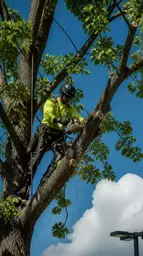
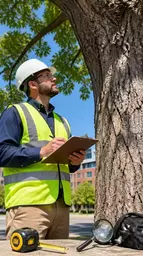
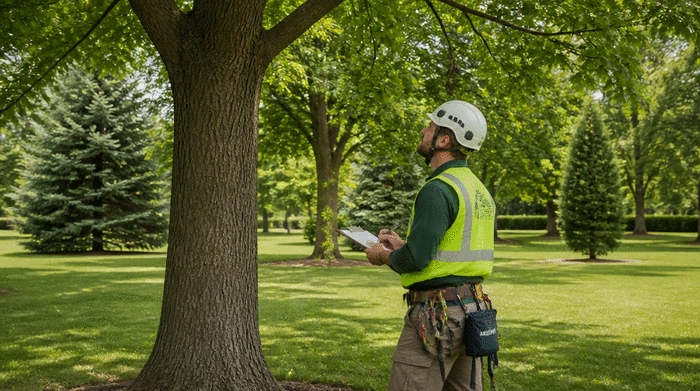
Arborists play a pivotal role in conducting tree inventories. Their expertise ensures that the data collected is accurate and comprehensive, reflecting the true state of urban trees. They bring a wealth of knowledge about tree species, health assessments, and care techniques.
By collaborating with arborists, communities can ensure the inventory process is efficient and thorough. Arborists also provide valuable insights into the trees’ maintenance needs, helping to create better management plans. This partnership underscores the importance of professional involvement in enhancing our urban environments. For more information on the benefits of professional tree care, consider consulting with a certified arborist.
Here's a brief recap of the key points discussed so far:
When it comes to managing urban greenery, a professional tree inventory is not just a luxury; it's a necessity! Understanding the structure and methodology behind it can significantly enhance the health and management of our city trees. We’ve discussed how a thorough inventory helps identify tree species, assess their health, and plan for future maintenance. Plus, it can empower communities like ours to advocate for better tree care initiatives.
In short, the benefits of a well-executed tree inventory are immense. It leads to informed decision-making that can enhance urban spaces, improve safety, and promote biodiversity. More importantly, it fosters a deeper connection between community members and their green surroundings. As someone who loves trees and the benefits they provide, I can’t stress enough how crucial this process is for city ecosystems!
The structure and methodology of conducting a tree inventory provide a clear roadmap for success. By following a systematic approach, we can ensure that every aspect of tree care is covered. Here’s a quick recap of the fundamental steps to consider:
Each of these steps helps build a solid foundation for maintaining urban trees. Remember, trees are not just part of the landscape; they are living organisms that require our attention and care. To better understand ways to boost tree health in urban areas, consider checking out related articles.
As we wrap up this discussion, think about how a well-executed tree inventory can transform our urban landscapes. A comprehensive inventory not only enhances the immediate environment but also contributes to long-term sustainability efforts. It enables us to make strategic decisions that can impact air quality, biodiversity, and even our mental well-being!
Moreover, the insights gained from a professional tree inventory can serve as a powerful tool for community engagement. When people understand the importance of trees, they're more likely to take part in preservation efforts. Together, we can create greener, healthier cities!
Urban green spaces heavily rely on accurate tree inventories for effective management. These spaces improve our quality of life by offering recreational areas, reducing urban heat, and enhancing aesthetics. By keeping an updated inventory, we can ensure that our green spaces are well-maintained and can thrive as natural habitats.
Furthermore, these inventories play a vital role in planning for future urban development. As cities grow, understanding the current tree population helps us balance development needs with ecological preservation. By valuing trees in our planning, we create environments that benefit both residents and wildlife. It's important to consider factors such as seasonal effects on urban tree roots when planning for urban trees.
Ready to dive into your tree inventory project? There are plenty of resources available to make this journey smoother! Consider checking out online platforms that offer tree inventory software or connect with local arborists who have experience in urban forestry. Here are some helpful resources:
These tools and resources can guide you in gathering accurate data and implementing best practices for tree management.
Don’t hesitate to reach out to professionals for help with your tree inventory! Whether it’s consulting with a certified arborist or partnering with local universities, expert guidance can greatly enhance your project. Remember, you’re not alone in this journey; there are many passionate individuals and organizations eager to support your efforts!
Taking this step can lead to more successful outcomes and ensure your urban trees receive the attention they deserve. So, let’s connect and leverage the expertise available!
Community involvement is the heart of effective tree management. Hosting workshops or tree planting events can inspire others to get involved. Here are some strategies to promote engagement:
By fostering a sense of community around tree care, we not only enhance our urban landscapes but also build stronger bonds among residents. Let’s nurture our urban canopy together—after all, every tree we care for contributes to a healthier city!
In addition to community events, understanding how trees impact urban mental health can further encourage community participation and awareness.Here is a quick recap of the important points discussed in the article: