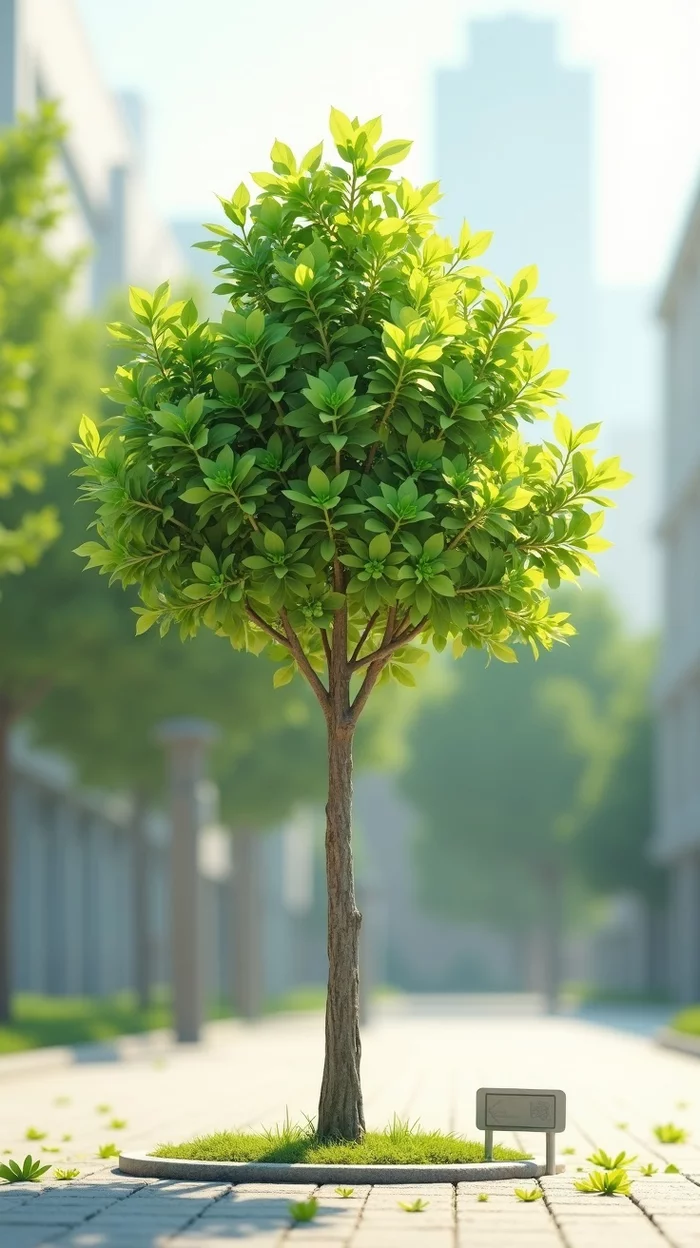
Maple Tree
30 - 50 years
Subscribe to get expert tips and the latest insights on tree care and urban greening directly to your inbox.
Posted on: 2026-01-10
By: Keira Vallejo
Urban trees are more than just a pretty sight; they are vital to the health and livability of our cities. Their presence not only beautifies our environment but also plays a significant role in improving air quality and supporting biodiversity. Understanding their lifecycle can empower us to make informed decisions about urban forestry. Here’s what you can learn about these essential green giants:
Urban trees typically have varying lifespans influenced by their species and environmental conditions. Below is a comparison of the lifespan ranges of common urban trees based on different factors.
30 - 50 years
50 - 100 years
20 - 40 years
15 - 30 years
When we think about city landscapes, we often overlook the invaluable role that urban trees play. These green giants not only enhance the beauty of our neighborhoods but also provide essential benefits such as improving air quality, reducing heat, and supporting local wildlife. At Urban Canopy Blog, I believe that understanding the lifecycle of urban trees is the first step toward fostering healthier city ecosystems.
Urban trees are specially adapted to survive in challenging environments, where factors like soil conditions, space constraints, and pollution can affect their growth. By contextualizing the importance of these trees, we can begin to appreciate their role in making our cities more livable. They act as living organisms that interact with their surroundings, creating a vibrant atmosphere for communities to thrive.
Urban trees are more than just decorative elements; they are crucial components of our urban landscapes. They help regulate temperatures, reduce stormwater runoff, and even enhance property values! Imagine walking through a shaded park on a hot summer day or enjoying the vibrant colors of autumn leaves—urban trees create these experiences. To ensure these trees thrive, understanding the benefits of professional tree care can be invaluable.
Moreover, urban trees provide essential habitats for various species, from birds to pollinators. This connection between trees and wildlife helps sustain biodiversity, which is vital for maintaining healthy ecosystems. It's exciting to think about how a single tree can impact the entire urban environment!
One of the most notable differences between urban and natural trees is their lifespans. While many trees in rural areas can live for centuries, urban trees often face a more challenging environment that can shorten their lifespan. Factors such as limited root space, soil compaction, and pollution can all contribute to this phenomenon.
On average, urban trees may live anywhere from 10 to 50 years, depending on the species and the conditions in which they grow. This contrast emphasizes the need for proper care and maintenance to ensure these trees reach their full potential. Remember, every tree we plant today contributes to the future of our cities!
Understanding these differences can empower us to make informed decisions about tree planting and care, ultimately enhancing our urban landscapes.Before we continue, let's address some of the frequently asked questions regarding urban tree lifecycles.
Urban trees typically live between 20 to 100 years, depending on the species and growing conditions. Factors such as soil quality, water availability, and overall care significantly influence their longevity.
Common issues include pests, diseases, and environmental stressors like pollution and soil compaction. Regular monitoring and appropriate treatments are essential to mitigate these challenges.
The urban heat island effect occurs when cities become significantly warmer than their rural surroundings. This can lead to increased water evaporation rates, heat-related damage to leaves and bark, and altered growing seasons, impacting the health and lifespan of urban trees.
Communities can get involved by organizing local tree planting events, starting neighborhood tree care groups, and collaborating with local schools to educate children about the importance of trees.
Here's a brief recap of the key points discussed so far:
When it comes to the lifespan of urban trees, it’s essential to understand that various species have different life expectancies. On average, urban trees can live anywhere from 20 to 100 years, depending on their species and the environment they grow in. For example, some common urban trees, like the maple, can thrive for around 30 to 50 years, while sturdy oak trees might live for over a century!
Factors such as soil quality, availability of water, and the overall care provided significantly influence their longevity. Urban trees often face more stresses than their rural counterparts, including poor soil conditions and limited space for root growth. This can lead to varying lifespans across different species.
Urban trees encounter a range of challenges that can impact their health and growth. Some of the most common issues include pests, diseases, and environmental stressors. For instance, many urban trees struggle with pests like aphids or scales, while diseases such as powdery mildew can also be problematic. To mitigate these issues, understanding how to implement protecting urban trees from pests is crucial.
Managing pests and controlling invasive species are crucial for maintaining healthy urban trees. It's important to regularly monitor your trees for signs of infestation and apply appropriate treatments. Here are some strategies you can use:
The urban heat island effect is another significant concern for urban trees. This phenomenon occurs when cities become significantly warmer than their rural surroundings, mainly due to human activities and the concentration of buildings and roads. Trees in hotter urban areas may experience stress that affects their growth and lifespan. Some impacts include:
As an urban forestry expert, I encourage everyone to consider these factors while caring for your trees. At Urban Canopy Blog, we strive to educate communities on how to nurture urban trees effectively while combating these challenges!
Getting involved in urban forestry initiatives can be a rewarding experience! There are many resources and organizations dedicated to supporting urban tree care and education. Here are some links to explore:
We love hearing from our readers! Sharing your experiences with urban trees can inspire others to engage in tree care and community greening efforts. Have you planted a tree in your neighborhood? What challenges have you faced, and what victories have you celebrated? Your stories can make a difference!
There are countless ways for communities to engage in urban forestry programs. Here are some suggestions to get started:
Another vital aspect of ensuring the health and longevity of urban trees is understanding soil quality and its impact on urban trees. Healthy soil provides the necessary nutrients and support for trees to thrive, even in challenging urban environments.
Together, we can create a greener, healthier urban environment! Let’s make our cities thrive with the beauty and benefits of trees! To keep our urban spaces lush, it's essential to consider, among other things, seasonal tree-watering tips .
Here is a quick recap of the important points discussed in the article: