Smart Approaches to Urban Tree Care
Posted on: 2026-02-21
By: Keira Vallejo
In a world where urbanization is rapidly changing our landscapes, the role of technology in preserving and enhancing our green spaces has never been more crucial. As cities grow, how can we ensure that our trees thrive amidst the concrete? This article explores the intersection of urban tree care and innovative technology, revealing a path forward for healthier, greener cities.
What You Will Learn
- The significance of urban trees: They improve air quality, reduce stress, and enhance property values.
- Challenges in urban tree management: Limited resources, climate change, and pest invasions make tree care complex.
- Smart tree management technologies: Innovations like IoT devices, sensors, and AI are transforming urban forestry.
- Data analytics for informed decisions: Analyzing tree health data helps optimize maintenance and improve community engagement.
- Evaluating the impact of technology: Understanding ROI helps cities assess the benefits of investing in smart tree care solutions.
- Future opportunities: Addressing scalability and regulatory challenges will foster sustainable urban tree management.
Cost-Benefit Analysis of Smart Technologies in Urban Tree Care
Examining the factors affecting investment and savings in urban tree management technologies.
Investment Factors
- Initial Investment: Upfront costs for technology.
- Infrastructure Upgrades: Needs to support new technologies.
- Funding: Securing financial resources.
Savings Factors
- Maintenance Savings: Lower costs due to better health management.
- Labor Cost Reduction: Less manual labor required.
- Water Savings: Efficient irrigation systems reduce bills.
The Role of Technology in Enhancing Urban Tree Care
Urban trees are essential to our cities—they provide endless benefits! From improving air quality to adding beauty, trees play a vital role in urban ecosystems. But managing these green giants can be quite challenging. That’s where technology steps in, providing innovative solutions to make urban tree care more effective and efficient.
At Urban Canopy Blog, I believe in empowering communities with the right knowledge and tools to care for their trees. By leveraging technology, we can foster healthier urban environments, ensuring that our trees thrive amidst the hustle and bustle of city life.
Understanding the Importance of Urban Tree Management
Effective urban tree management is crucial for maintaining our green spaces. It not only enhances the beauty of our neighborhoods but also supports biodiversity and improves mental well-being. A well-maintained urban forest can significantly reduce heat islands and lower energy costs for cooling, proving that trees are not just aesthetic additions—they are essential to urban health.
However, managing urban trees comes with its own set of challenges. Limited budgets, insufficient manpower, and unpredictable climate conditions can hinder effective maintenance. As we delve into the world of urban tree care, it’s essential to recognize how technology can bridge these gaps.
Benefits of Trees in Urban Environments
Urban trees provide a multitude of benefits that enrich our lives. Here are some key advantages:
- Improved Air Quality: Trees absorb pollutants and produce oxygen, making the air we breathe cleaner.
- Stress Reduction: Studies show that being around greenery can lower stress and promote relaxation.
- Enhanced Property Value: Homes near well-maintained trees often have a higher market value.
- Habitat for Wildlife: Urban trees create safe havens for birds, insects, and other wildlife.
Challenges in Urban Tree Maintenance
While trees offer many benefits, maintaining them can be daunting. Some common challenges include:
- Limited Resources: Many city budgets are stretched thin, making it difficult to allocate funds for tree care.
- Climate Change: Changing weather patterns can impact tree health and survival rates.
- Pest Invasions: Urban trees are often vulnerable to pests and diseases that can quickly spread and cause harm.
By understanding these challenges, we can better appreciate the role technology plays in overcoming them!
Technology as a Solution for Urban Tree Care
Embracing technology in urban tree management can lead to effective solutions that benefit both trees and the communities around them. By utilizing smart tools and innovative systems, we can enhance not only the care of trees but also the engagement of citizens in tree maintenance. This shift is crucial as we seek to build a greener future together!
Let’s explore the evolution of smart tree management and how it’s revolutionizing the way we care for our urban forests.
The Evolution of Smart Tree Management
Smart tree management is no longer a distant concept—it’s a reality that is transforming urban forestry! Initially, tree care relied heavily on manual assessments and visual inspections. However, the advent of technology has paved the way for more precise and efficient methods. Today, urban tree management involves:
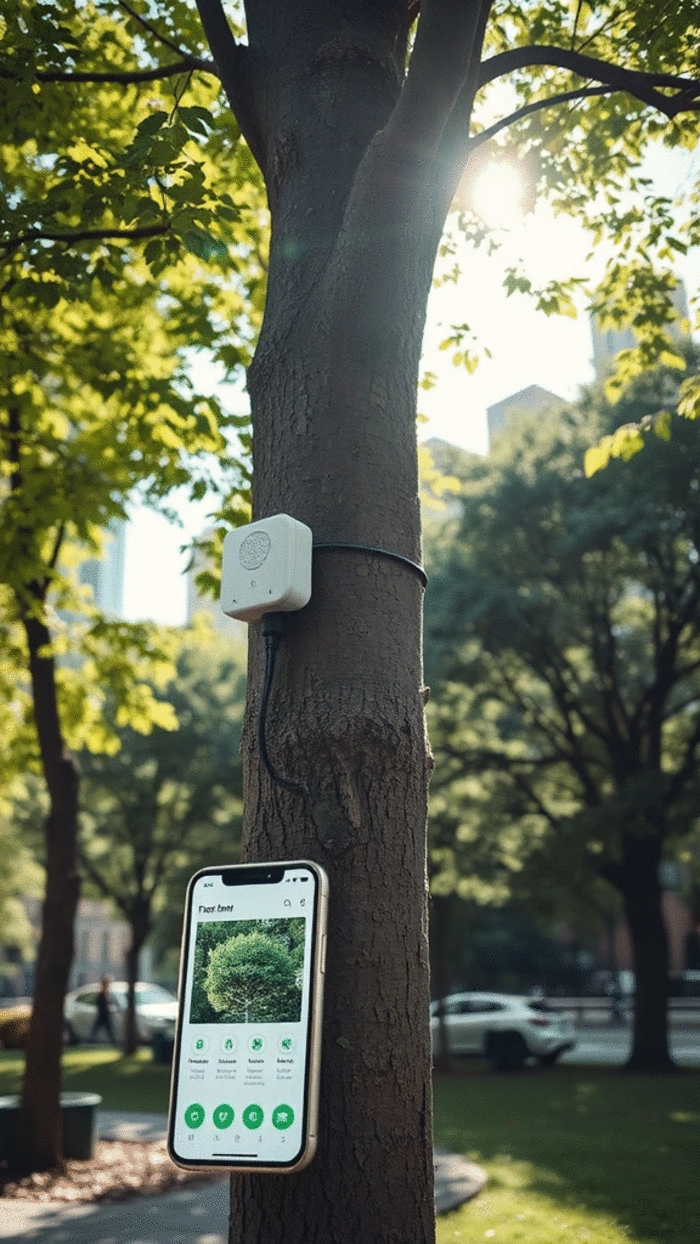
- Data collection through IoT devices
- Real-time monitoring of tree health
- Community involvement through apps and online platforms
This evolution ensures that every tree receives the attention it deserves, ultimately leading to healthier urban landscapes.
Key Technologies: Sensors, Apps, and AI
Several technologies have emerged to support urban tree care. Some of the most impactful include:
- Sensors: Monitor soil moisture and tree health in real time.
- Mobile Apps: Allow citizens to report tree issues or get care tips.
- Artificial Intelligence: Offers predictive insights for tree maintenance and urban planning.
These tools empower citizens and organizations alike, enhancing the community’s ability to care for its trees.
Integrating Internet of Things (IoT) in Urban Forestry
The Internet of Things (IoT) has made significant inroads in urban forestry. By connecting various sensors and devices, we can gather valuable data about tree health and environmental conditions. This connectivity allows for:
- Automated irrigation based on soil moisture levels
- Early detection of pests and diseases
- Efficient scheduling of maintenance activities
With IoT, urban tree care becomes more proactive rather than reactive, which is essential in creating sustainable green spaces.
Utilizing Data Analytics for Effective Tree Management
Data analytics plays a crucial role in effective urban tree management. By analyzing collected data, city planners and arborists can make informed decisions about tree care. This can lead to:
- Identifying trends in tree health over time
- Optimizing resource allocation for maintenance
- Enhancing community engagement through transparent reporting
At Urban Canopy Blog, I’m excited about the possibilities that data analytics brings to urban forestry, making it easier for us to nurture our trees and create vibrant communities!
Quick Summary
Here's a brief recap of the key points discussed so far:
- Urban trees provide essential benefits, including improved air quality, stress reduction, and enhanced property values.
- Challenges such as limited resources, climate change, and pest invasions complicate urban tree maintenance.
- Technology, including IoT devices and data analytics, plays a vital role in improving urban tree management and fostering community involvement.
Evaluating the Impact and ROI of Technology in Urban Tree Care
As we embrace technology in urban tree care, it’s crucial to understand its impact on our city landscapes. Evaluating the return on investment (ROI) is essential for decision-makers who want to ensure that their resources are being used effectively. By conducting a comprehensive cost-benefit analysis, communities can identify the true value that smart technologies bring to urban forestry.
Many urban centers are now reaping the benefits of technology, but how do we quantify these gains? A detailed breakdown of investment versus savings can reveal insightful data. For instance, if a city invests in smart sensors for monitoring tree health, the long-term savings from reduced maintenance costs and increased tree longevity can be significant!
Understanding the Cost-Benefit Analysis of Smart Technologies
To effectively assess the impact of technology in urban tree care, we need to look at various factors. Here’s a quick list of considerations:
- Initial Investment: Upfront costs associated with purchasing and installing smart technologies.
- Maintenance Savings: Reduced costs over time due to better health management of trees.
- Environmental Benefits: Improved air quality and aesthetics leading to increased property values.
- Community Engagement: Enhanced participation from citizens in tree care initiatives, creating a sense of ownership.
By weighing these factors, cities can determine if the benefits outweigh the costs. There are even ROI calculators available that help urban planners make informed decisions about investing in tree management initiatives.
Detailed Breakdown of Investment vs. Savings
A comprehensive breakdown can provide clarity on whether investing in technology is the right move for your city. Elements to consider include:
- Labor Costs: Reduction in manual labor needed due to automated monitoring systems.
- Water Savings: Smart irrigation systems that optimize water usage can lower utility bills significantly.
- Healthier Trees: Trees that are monitored effectively tend to have longer lifespans and lower disease rates.
This kind of analysis not only helps in understanding the financial picture, but it also highlights the broader impact on community health and urban environments.
Future Challenges and Opportunities in Urban Tree Management
As we look to the future, urban tree management faces both challenges and exciting opportunities. One major challenge is the scalability of technology in mega-cities. The sheer number of trees in larger urban areas can make it difficult to implement and maintain smart systems effectively.
However, with these challenges come unique opportunities to innovate and adapt! Cities can explore new methods of tree management that incorporate technology while addressing the specific needs of their growing populations.
Scalability Considerations for Mega-Cities
Scaling technology in urban forestry requires a strategic approach. Key considerations include:
- Infrastructure: Upgrading existing systems to support new technologies.
- Funding: Securing financial resources for large-scale technology implementation.
- Collaboration: Working with tech companies, universities, and community organizations to share expertise and resources.
By addressing scalability head-on, cities can ensure that they’re not just keeping up with urban challenges but leading the way in sustainable urban tree care.
Addressing Regulatory Hurdles and Climate Adaptation
Regulatory hurdles and climate change also pose significant challenges. Urban planners must navigate a complex landscape of regulations while adapting to changing environmental conditions. It's important to develop strategies that focus on resilience and sustainability.
With creative thinking and community involvement, we can tackle these challenges together! For instance, by promoting legislation that supports urban greening initiatives, cities can set a framework for sustainable practices.
Conclusion: Embracing Technology for Sustainable Urban Forestry
As we conclude, let’s remember the key benefits of incorporating technology into urban tree care. Enhanced management practices lead to healthier trees, increased community engagement, and significant environmental benefits. By investing wisely, we can cultivate vibrant urban forests that enrich our lives.
Now is the time to encourage action! Communities can start by utilizing available resources and engaging with local governments to promote effective tree care initiatives. Together, we can pave the way for a greener, healthier urban landscape. At Urban Canopy Blog, we’re here to support you on this journey. Let's make a difference together!
Recap of Key Points
Here is a quick recap of the important points discussed in the article:
- Urban trees provide vital benefits, including improved air quality, stress reduction, and enhanced property values.
- Challenges in urban tree maintenance include limited resources, climate change impacts, and pest invasions.
- Technology plays a crucial role in urban tree care, utilizing tools like sensors, mobile apps, and AI for proactive management.
- The Internet of Things (IoT) enables automated systems that enhance tree health monitoring and maintenance scheduling.
- Data analytics can help city planners make informed decisions about tree care by identifying trends and optimizing resources.
- Evaluating the return on investment (ROI) for smart technologies is essential for justifying urban forestry initiatives.
- Future opportunities in urban tree management include addressing scalability challenges and adapting to regulatory and climate hurdles.

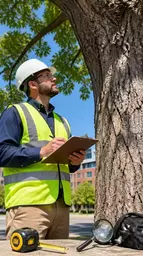 What if a single checklist could protect your property and enhance its value? For property managers,
 What if the secret to thriving urban gardens lies not just in the flowers we plant, but in the trees
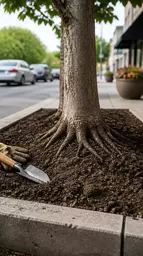 Did you know that proper soil management can significantly enhance the health of urban trees? Unders