Environmental Health
Improves air quality and reduces heat.
- Absorbs CO2
- Releases oxygen
- Traps dust and pollutants
Subscribe to get expert tips and the latest insights on tree care and urban greening directly to your inbox.
Posted on: 2026-02-24
By: Keira Vallejo
Urban trees are more than just greenery; they are vital players in enriching our cityscapes and well-being. With their numerous benefits, these living structures deserve our attention and care. As we explore their significance in landscape design, it becomes evident how integral they are to a healthier urban environment.
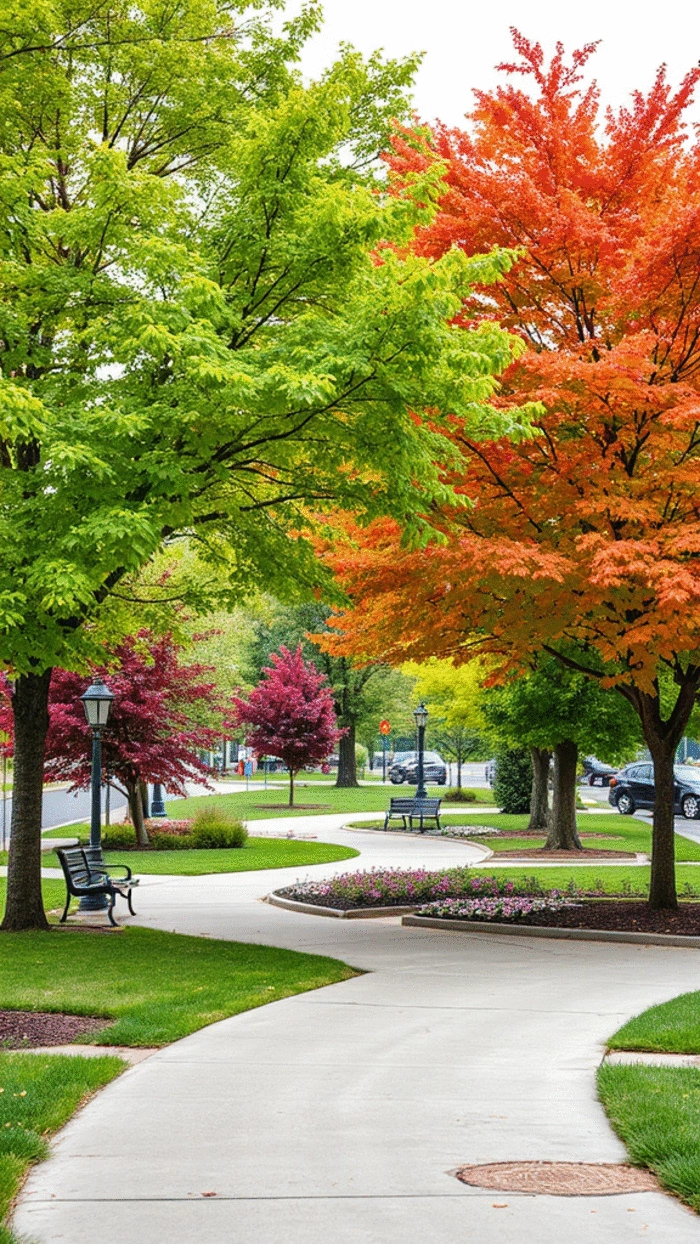
Urban trees enhance city landscapes with aesthetic, environmental, and social benefits. Below is a visual representation of these advantages.
Improves air quality and reduces heat.
Enhances visual appeal of landscapes.
Fosters community interaction.
Urban trees are not just living structures; they are vital components that enhance our city landscapes in so many ways. Their presence breathes life into concrete jungles, offering beauty, shelter, and a sense of belonging to urban dwellers. At Urban Canopy Blog, we believe that understanding the multifaceted role of these trees is essential for anyone interested in nurturing healthier urban environments.
Urban trees play an integral role in enriching our landscapes, providing both aesthetic and functional benefits. They serve as natural air filters, reduce noise pollution, and contribute to climate regulation. When we plant trees in our cities, we are not only beautifying our surroundings but also investing in our community’s well-being. You may also want to consider professional tree care to ensure that your trees remain healthy and continue to provide these benefits.
Imagine walking down a tree-lined street, feeling the calming shade on a hot day. That’s the magic of urban trees! They create inviting spaces that encourage social interaction and outdoor activities, making our neighborhoods more enjoyable for everyone.
One of the standout benefits of urban trees is their ability to improve air quality. Through the process of photosynthesis, trees absorb carbon dioxide and release oxygen, creating a healthier atmosphere for us all. This natural filtering system is essential in combatting air pollution, especially in bustling urban areas.
Plus, the leaves trap dust, pollen, and other harmful particles, helping to purify the air we breathe. Isn’t it amazing how something as simple as planting a tree can lead to such significant improvements in air quality?
Urban areas often experience higher temperatures due to the “heat island” effect, where concrete and asphalt absorb and retain heat. Trees contribute to mitigating this issue by providing shade and cooling the surrounding air. Just think of a summer day spent in the shade of a lush tree—what a refreshing escape!
By strategically planting trees, we can create cooler urban spaces, making our communities more livable and pleasant. It's a win-win situation for everyone involved!
Nothing enhances a landscape quite like the presence of trees. They add color, texture, and depth to urban environments. Whether it’s the vibrant hues of a flowering cherry blossom or the majestic stature of an oak, trees have a unique ability to create visual interest and beauty.
In landscape architecture, trees are often used to frame views, provide focal points, and create natural corridors. They can transform ordinary spaces into extraordinary experiences, offering a feast for the eyes and a balm for the soul. Understanding how trees contribute to urban trees and mental well-being highlights their essential role in community health.
The benefits of urban trees go beyond aesthetics; they have profound effects on mental health and community identity. Studies have shown that green spaces can reduce stress and anxiety, promoting overall well-being. Just a few minutes spent among trees can lift your spirits!
At Urban Canopy Blog, we see the transformation that trees can bring to neighborhoods. They are not just part of the landscape; they become part of our lives, enriching our communities and connecting us to nature.
While the benefits of urban trees are clear, integrating them into city landscapes can be challenging. Choosing the right locations for planting is crucial for ensuring their growth and aesthetic appeal. Factors like sunlight, soil quality, and space availability must all be taken into account. The soil quality is vital for the healthy development and sustainability of urban trees.
Tree placement should consider how they will interact with existing infrastructure and other plants. Thoughtful planning can prevent future issues and help trees thrive, ensuring that they fulfill their role in enhancing urban landscapes.
Another challenge lies in maintaining the health of urban trees amid urban constraints. Root systems can cause complications with sidewalks, roads, and underground utilities. It’s essential to plan for proper maintenance to avoid these issues down the line.
Here are some frequently asked questions about urban trees:
By addressing these challenges, we can ensure that urban trees flourish, continuing to provide their invaluable benefits to our communities.
Here's a brief recap of the key points discussed so far:
As we take a moment to reflect on the role of urban trees, it’s clear they bring a blend of aesthetic, environmental, and social benefits to our landscapes. These living structures not only beautify our city streets but also play a crucial part in enhancing air quality and supporting mental well-being. From the artistic value they add to parks and plazas to their contributions in creating healthier urban environments, urban trees are undeniably essential.
Incorporating trees into landscape design can transform a dull concrete space into a thriving sanctuary filled with color and life. Their presence fosters a sense of community, offering spaces where people gather and connect. Simply put, trees help weave the story of our city, enriching it with their beauty and functionality. For example, urban trees cool city heat and can also benefit the areas they are planted in.
Now, let’s talk about what we can do to ensure the future of our urban trees! It’s up to us as community members to advocate for and invest in urban forestry initiatives. Every action counts, from planting new trees to ensuring existing trees receive the care they need.
Here are some ways you can get involved:
At Urban Canopy Blog, we believe that every tree nurtured is a step toward a greener, healthier city. So, what will you do to make a difference in your neighborhood?
The future of urban trees in landscape design looks bright! As we continue to adapt to the challenges of climate change, the role of trees is becoming even more prominent. Urban planners and communities are recognizing that trees are not just decorative elements but vital components of sustainable city planning.
In the coming years, we can expect:
With these developments, urban trees will remain central to enhancing our cities, creating spaces that are both beautiful and sustainable. Let’s embrace this journey together and advocate for the trees that beautify our lives and communities!
Here is a quick recap of the important points discussed in the article: