Understand Waterlogging
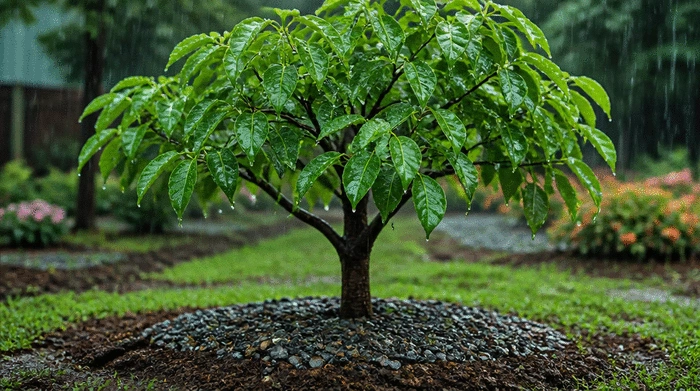
Recognize how excess water saturates soil, affecting tree roots.
Subscribe to get expert tips and the latest insights on tree care and urban greening directly to your inbox.
Posted on: 2026-05-31
By: Keira Vallejo
As urban gardeners, we often overlook the challenges our trees face during the rainy season. Waterlogging can spell disaster for their health, yet many of us remain unaware of the signs and prevention strategies. What if you had the knowledge to protect your trees from these hidden threats? Let's dive into essential strategies for maintaining tree health amidst heavy rainfall.
Essential strategies include understanding waterlogging, identifying signs, and adjusting care practices to ensure tree health.
Recognize how excess water saturates soil, affecting tree roots.
Look for pooling water, soggy ground, wilting leaves, and foul odors.
Reduce or cease irrigation during heavy rainfall to prevent excess moisture.
Aerate compacted soil for better drainage and root access to oxygen.
Trim branches to reduce the risk of storm damage and promote health.
When the rainy season rolls around, our beloved trees can face serious challenges, particularly due to a condition known as waterlogging. This occurs when excess water saturates the soil, preventing air from reaching the tree roots. As a result, trees can suffer from issues like root rot and increased vulnerability to storm damage. Understanding these risks is crucial for every urban gardener who wants to nurture a thriving green space.
Waterlogged soil can be harmful, leading to weakened tree health over time. Not only does it disrupt nutrient uptake, but it can also leave trees exposed to pests and diseases. To keep our urban canopies healthy, we need to take proactive steps to manage water levels during heavy rainfall.
Waterlogging occurs when the soil becomes oversaturated with water, resulting in the inability of roots to breathe. This lack of oxygen can cause trees to develop root rot, a condition that slowly destroys the vital root system. Trees may also experience stunted growth and might be more prone to falling over during storms due to compromised stability. For optimal growth, consider deep roots for urban trees.
For those of us caring for city landscapes, the impact of waterlogging goes beyond individual trees. It can lead to broader issues, such as affecting the overall health of a green space or community area. By understanding these effects, we can take steps to minimize damage and ensure our trees continue to thrive, even in challenging conditions.
Recognizing the signs of waterlogged soil is the first step in protecting our trees. Some common symptoms include:
It's important to distinguish between acute saturation, which can occur after a heavy storm, and chronic drainage issues, which result from long-term poor soil conditions. By regularly checking for these signs, we can take action before serious damage occurs. Remember, early detection is key to maintaining tree health!
Being proactive with tree care during the rainy season can make all the difference. For instance, adjusting our irrigation practices is essential. During periods of heavy rain, it's wise to reduce or even cease irrigation to prevent excess moisture from accumulating. This simple adjustment can play a big role in keeping our trees healthy.
In addition to managing water levels, improving soil structure and aeration is vital. Techniques like aerating compacted soil can help ensure that water drains properly, allowing roots to access the oxygen they need. Addressing soil compaction is critical, and improving urban soil for trees will help ensure healthy growth. With these proactive strategies, we can help our urban trees weather the storm—literally!
Did you know? Adding organic matter to your soil, such as compost or aged manure, can significantly improve drainage and aeration. This not only helps mitigate waterlogging but also enhances nutrient availability for your trees. Incorporating these materials before the rainy season can create a healthier soil environment for your urban trees!
As we wrap up our discussion on rainy season tree care, it's vital to remember the essential strategies we've covered. From understanding the risks of waterlogging to adjusting irrigation practices, every tip plays a crucial role in keeping our urban trees healthy. With a little effort, we can prevent damage from heavy rainfall and ensure our trees continue to thrive!
To summarize, the key strategies for managing tree care during the rainy season include:
By following these practices, you can help your trees stay resilient and healthy through the rainy seasons. Remember, just like us, trees need a little extra care and attention when the weather turns!
I'd love to hear about your own experiences with tree care during rainy seasons! Have you found any tricks that work well for your neighborhood trees? Sharing insights and stories can help foster a sense of community while enhancing our collective knowledge about caring for urban trees. Consider also the benefits of professional tree care to ensure your trees get the best care.
If you’re ever uncertain about the health of your trees or suspect waterlogging issues, don’t hesitate to reach out to a professional arborist. Their expertise can make all the difference, ensuring your trees receive the care they deserve. It’s all about creating a healthier environment for our communities, and as part of the Urban Canopy Blog, I’m here to support you in that journey!
So let’s continue to learn and grow together—your urban forest depends on it! Remember, every effort counts towards nurturing the greenery that beautifies our city. What steps will you take today to care for your trees? Consider seasonal care for city trees to get started.
Finally, to help them grow stronger, remember that proper essential tree watering methods play a key role in their development.
Here is a quick recap of the important points discussed in the article: