Stomatal Closure
Reduces water loss, limits photosynthesis
Subscribe to get expert tips and the latest insights on tree care and urban greening directly to your inbox.
Posted on: 2026-04-20
By: Keira Vallejo
Did you know that trees can undergo physiological changes to survive drought conditions? Understanding their responses can empower us to better care for our urban forests. Let’s explore some key takeaways from this insightful discussion on tree stress during drought!
Key physiological adaptations trees undergo during drought stress include stomatal closure, root adaptation, and reduced growth.
Reduces water loss, limits photosynthesis
Promotes deeper roots searching for moisture
Stress can stunt growth and development
Tree stress during drought conditions is a crucial topic for urban forestry, and it’s something I, Keira Vallejo, have seen firsthand. Trees, much like us, can experience significant stress when water is scarce. Understanding how these majestic beings respond to drought can help us take better care of our green companions and ensure a healthier urban environment.
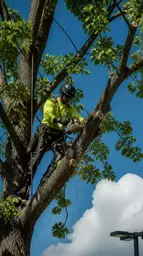
When trees experience drought, they often undergo physiological changes as a survival mechanism. They have to adapt to conserve water, which can affect their overall health and vitality. By recognizing these changes, we can take proactive steps to minimize stress. For example, understanding the benefits of professional tree care can help support our trees through tough times.
The physiological responses of trees to drought stress are fascinating! During periods of low water availability, trees will often close their stomata—tiny openings on the leaves that allow gas exchange. This closure helps to reduce water loss but can also limit photosynthesis, affecting the tree's growth and health.
Additionally, trees may reroute resources to their roots, promoting deeper growth in search of moisture. It’s a remarkable adaptation that allows them to survive, but it also means that trees will need our help to thrive in urban environments, especially during prolonged drought periods.
Here are some Frequently Asked Questions about managing tree stress during drought:
Common symptoms of drought stress can alert us to how our trees are faring. Look for signs like wilting leaves, leaf drop, and even browning at the edges. These visual cues are essential indicators that your tree might not be getting enough water!
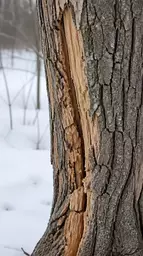
Another symptom to watch for is bark peeling or cracking. This can be a sign of severe stress, and it’s crucial to address the issue before it leads to further complications. Remember, early detection can make all the difference in your tree's recovery.
As I've mentioned, the mechanism of stomatal closure is vital for trees during drought. This adjustment helps them retain moisture, but it comes with trade-offs—less photosynthesis means less energy for growth. It’s a tough balancing act!
Root adaptation is equally important. When trees sense dry conditions, they may develop deeper roots to access water stored further underground. This adaptation not only helps them survive but also strengthens their resilience against future droughts. It’s a process that we, as caretakers, can support through proper watering techniques!
Understanding plant physiology can provide insights into drought resistance. Some tree species are naturally more resilient to dry conditions. For instance, species like oaks and pines can better withstand periods of drought than others.
By selecting drought-resistant species for urban landscapes, we can create a more sustainable city environment. It’s all about making smarter choices tailored to our urban settings. Together, we can foster a greener, healthier urban canopy!
Before planting, consider choosing trees for your climate to ensure the plants are suited to the environment.
Here's a brief recap of the key points discussed so far:
As urban tree enthusiasts, we know that proactive care is key to ensuring our trees remain healthy during dry spells. That's why developing a comprehensive drought action plan is essential! It not only prepares your trees for future challenges but also enhances their resilience against stress. Let’s dive into some practical steps you can take right away!
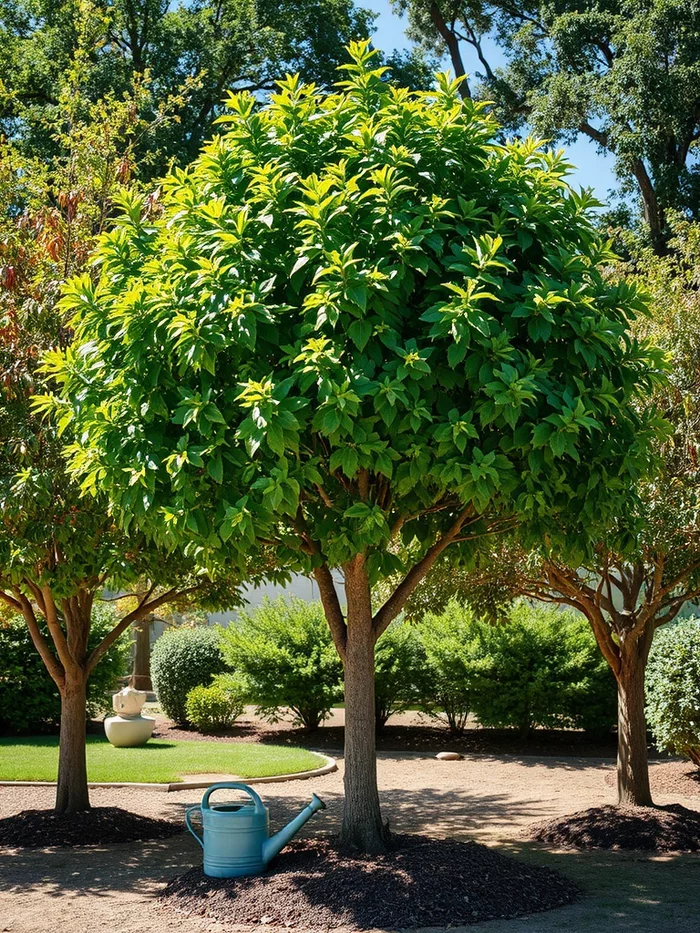
First things first: year-round mulching and watering practices should be a priority. Applying mulch helps retain soil moisture, while consistent watering encourages deep root growth. If you’re not sure where to start, consider creating a simple checklist to keep track of your tree care activities throughout the seasons.
Creating a Drought Action Plan is a smart way to ensure you're prepared! Here are some steps to consider:
To make things even easier, I’ve created a downloadable checklist that you can use to plan your tree care. It includes tips on mulching, watering frequencies, and necessary soil amendments! You can find it on our website at Urban Canopy Blog. Having a visual guide will help you stay organized and on track.
Soil amendments can also play a crucial role in improving tree health. Incorporating organic matter can enhance soil structure, nutrient availability, and water retention. Here are some effective amendments to consider:
Community involvement is essential for effective tree care and can lead to a healthier urban environment. Sharing knowledge and resources not only benefits your trees but also connects you with others who care about our green spaces. Let’s explore some ways to engage your community effectively!
Visual aids can make complex information easy to understand, especially when it comes to tree care. Infographics can illustrate important points like: Seasonal care is also an important factor that affects the health of the tree.
Creating a FAQ section can also help address common concerns about tree management. Here are a few questions you might include:
Sharing stories can inspire others! Collect testimonials from homeowners and arborists who have successfully managed tree stress during droughts. Highlighting their experiences can show how effective strategies work in real-life situations.
Consider asking community members about their tree care journeys. Here are a few tips on how to gather these stories:
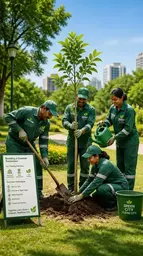
Finally, fostering a sense of community around tree care leads to sustainable practices that can benefit everyone. Why not partner with local schools or organizations to promote tree planting and education? Engaging in these activities not only strengthens community bonds but also encourages a collective responsibility toward our urban greenery.
By taking these actionable steps, we can minimize tree stress during future droughts and create a greener, healthier environment for our communities. Remember, small efforts make a big difference! Let’s work together to ensure our urban canopies thrive.
To sum it all up, here are the key takeaways to remember:
Let’s commit to taking action! Whether you’re a homeowner or an arborist, your efforts in sustainable tree management can lead to thriving urban landscapes. Together, we can cultivate a future where our trees stand tall and proud, even in the face of drought!
Here is a quick recap of the important points discussed in the article: