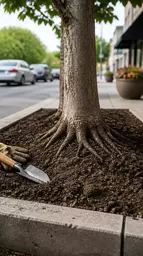
Identification
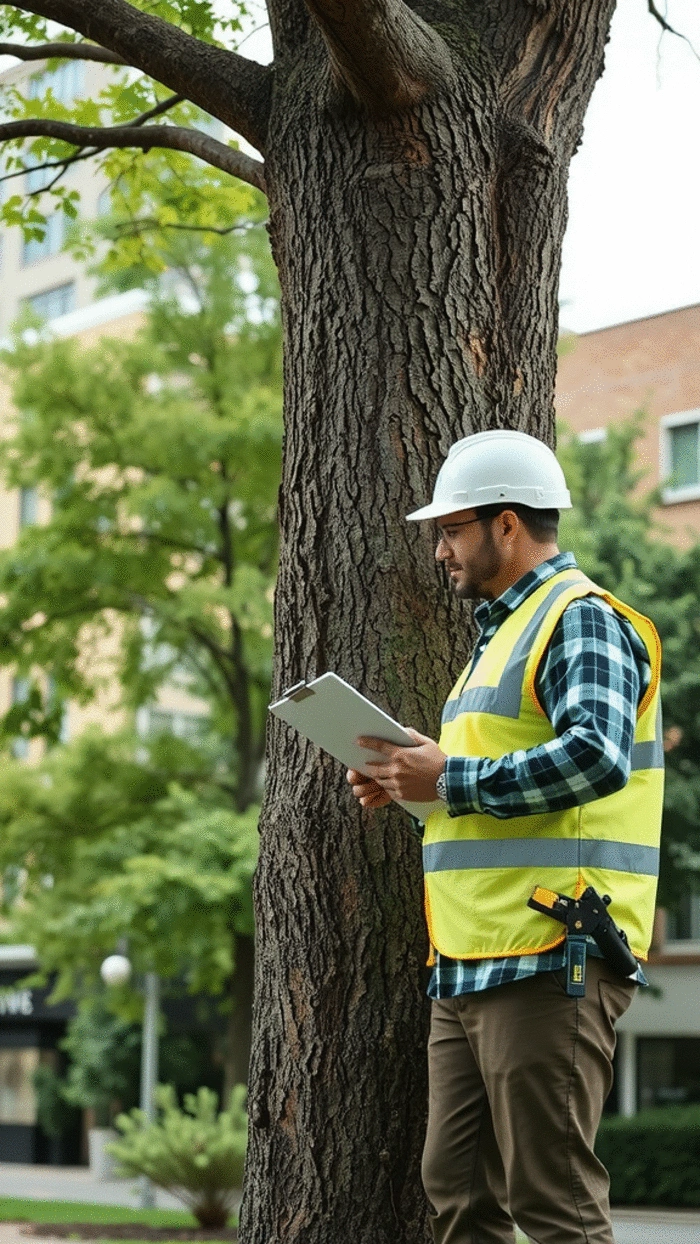
Inspect trees to detect potential hazards.
Subscribe to get expert tips and the latest insights on tree care and urban greening directly to your inbox.
Posted on: 2026-03-30
By: Keira Vallejo
Consider this: urban trees provide vital benefits to our communities, but they can also pose serious risks if not properly managed. Understanding how to assess these risks is crucial for the safety and sustainability of urban environments.
Understanding the process involved in managing urban tree risks is crucial for community safety and effective forestry practices. The process flow below outlines the essential steps in hazard tree identification and risk management.
Inspect trees to detect potential hazards.
Analyze the severity of risks posed by trees.
Develop strategies to manage or eliminate risks.
When you think about the trees lining our city streets, have you ever considered the risks they might pose? Urban trees are vital components of our landscapes, but they can also become hazards if not properly assessed. That's where urban tree risk assessment methodologies come into play! This process helps identify trees that may pose risks to public safety or infrastructure, allowing us to take action before accidents happen.
Urban Tree Risk Assessment is essential for maintaining the safety and well-being of our communities. By regularly evaluating tree health and structure, we can prevent potential hazards such as falling branches or toppled trees during storms. For those of us involved in urban forestry, understanding these methodologies is key to promoting safer, greener spaces. It may also be beneficial to seek benefits of professional tree care for your urban trees.
The safety of our communities relies heavily on effective hazard management. Trees that are structurally unsound or diseased can create significant risks, especially in urban areas where people and property are close together. Conducting regular risk assessments allows us to identify these hazards early, ensuring that immediate action can be taken.
Here are a few reasons why urban tree risk assessment is critical:
At Urban Canopy Blog, we are dedicated to educating communities about the importance of these assessments. By engaging local residents in understanding tree risks, we can foster a greater appreciation for urban greenery and its maintenance.
Urban tree risk assessment is the process of evaluating the potential hazards that trees in urban environments may pose to people or property. It involves inspecting trees for structural defects, diseases, and other conditions that could lead to failure.
It is crucial for ensuring public safety and protecting infrastructure. By identifying and mitigating potential hazards, we can prevent accidents, injuries, and property damage caused by falling trees or branches.
Hazard trees are trees that have structural defects, diseases, or other conditions that make them likely to fail and cause harm to people or property. These trees require prompt attention to mitigate the risks they pose.
Risk management involves identifying, evaluating, and mitigating the risks associated with hazard trees. This includes conducting inspections, analyzing the severity of potential consequences, and implementing strategies to reduce or eliminate the risks.
The frequency of urban tree assessments depends on various factors, such as the age and condition of the trees, the density of the surrounding population, and local weather patterns. Generally, trees should be assessed at least once a year, with more frequent inspections for high-risk trees.
Post-disaster management strategies include assessing tree damage immediately after a disaster, prioritizing the removal of hazardous branches and trees, engaging local volunteers for clean-up and restoration efforts, and conducting community workshops on tree care following disasters.
To effectively manage tree risks, we need to understand two key concepts: hazard trees and risk management. A hazard tree is defined as one that poses a risk to people or property due to its condition, location, or structural integrity. This can include trees with visible decay, cracks, or extreme lean.
On the other hand, risk management involves a systematic approach to identifying, evaluating, and mitigating risks associated with these trees. Understanding tree preservation regulations is also important. Here's a quick breakdown of the process:
Understanding these concepts is crucial for anyone involved in urban forestry. As we assess our trees, we can effectively reduce risks and promote a safer environment for everyone!
Now that we've tackled the basics of urban tree risk assessment methodologies, let's dive into how we can evaluate tree risks using established standards and best practices. Whether you're a professional arborist or a concerned community member, knowing these guidelines can help you make informed decisions about tree care.
Let's get started with an overview of ANSI A300 Part 9 and its implications!
To enhance your urban tree risk assessments, consider using a combination of traditional inspection methods and technology. Tools like drone surveys and tree health monitoring apps can provide valuable insights, enabling you to identify potential hazards more efficiently. Regular training in new assessment technologies can empower your urban forestry team to stay ahead of risks!
Managing the risks associated with urban trees is essential for ensuring public safety and promoting healthy green spaces. As an advocate for urban forestry, I'm always excited to share practical strategies that can help communities maintain their trees effectively. Implementing routine monitoring practices is a proactive way to safeguard our city’s trees, and it can significantly reduce risks in the long run!
When it comes to routine monitoring, it’s vital to establish a schedule that suits your local environment. Regular check-ups can catch early signs of decay or disease, leading to timely interventions. Here are some key practices to consider for effective monitoring:
By committing to these practices, communities can create safer environments and cultivate a stronger connection with their green assets! Remember, awareness is the first step towards action! You may also find it helpful to read about seasonal tree watering tips.
Natural disasters can wreak havoc on our urban forestry systems, but having a solid post-disaster management plan can help communities bounce back. The focus should be on recovery, restoration, and assessment to ensure that our trees remain healthy and resilient. Here are some strategies to consider:
By implementing these strategies, we not only recover but also educate our communities about the resilience of urban green spaces! It's amazing how collective efforts can lead to a vibrant recovery.
Collaboration is key when it comes to managing urban trees effectively. Strong relationships between community members and local governments can lead to successful tree management initiatives. I believe that when communities unite with local authorities, amazing things happen! Here are some ideas for fostering engagement:
By working together, we can ensure our urban forests are not just surviving but thriving, enriching our cities’ landscapes! Ensuring urban trees have low maintenance options is a good place to start.
Creating effective tree protection plans is vital for sustaining urban forestry. It’s essential for communities to establish policies that prioritize tree health and longevity. A well-crafted plan helps safeguard our trees from various challenges, including urban development and climate change. Here are critical components to include in your plans:
Public policy plays a significant role in shaping how we engage with our urban trees. By advocating for robust tree protection plans, we can demonstrate our commitment to sustainable urban environments!
As we reflect on the importance of urban tree risk assessment, it’s clear that proactive management is essential for our communities' safety and well-being. The future of our urban forests is intricately tied to how we respond to environmental challenges. Remember, understanding risks today can lead to healthier and more resilient trees tomorrow!
For those eager to deepen their knowledge, I encourage you to explore resources and training opportunities available through organizations focused on urban forestry. Together, we can foster growth and sustainability in our urban forests!
Urban trees are more than just a part of our landscape; they are vital to our ecosystem. By working towards effective tree management, we contribute not just to our own communities, but to the global fight against climate change and environmental degradation.
Here is a quick recap of the important points discussed in the article: