Bloom Time
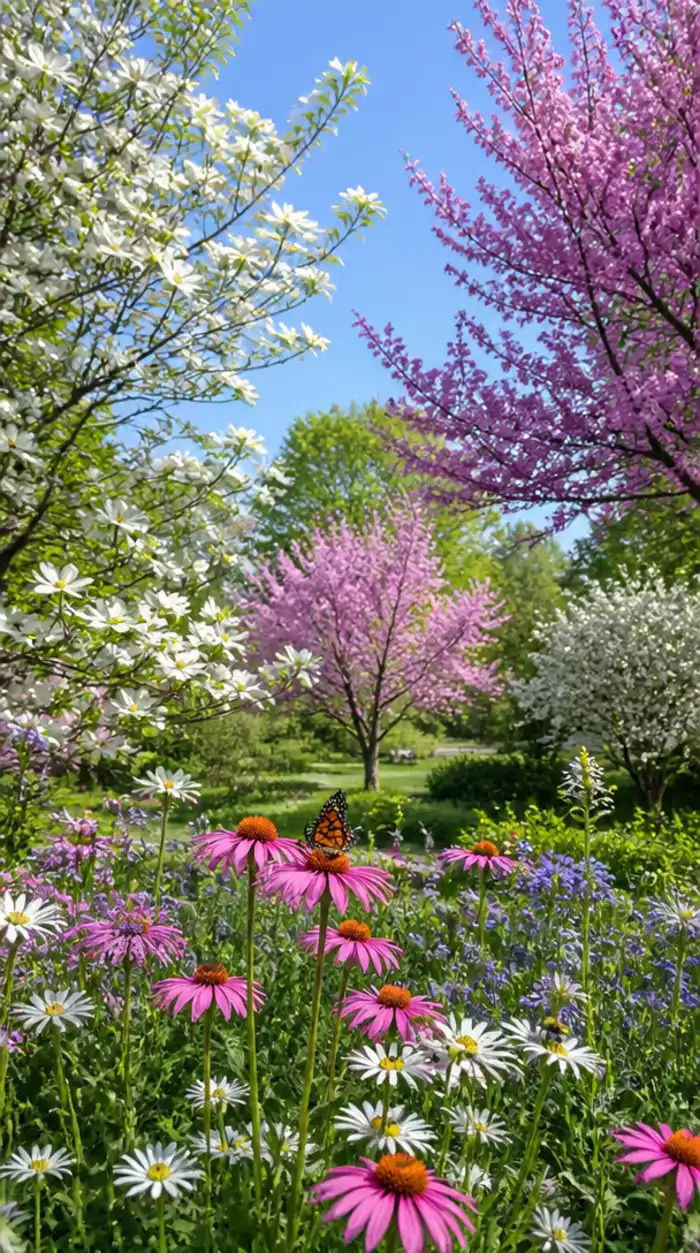
Choose trees that flower at different times to ensure a continuous food supply for pollinators throughout the seasons.
Subscribe to get expert tips and the latest insights on tree care and urban greening directly to your inbox.
Posted on: 2026-09-20
By: Keira Vallejo
What if the secret to thriving urban gardens lies not just in the flowers we plant, but in the trees we choose? Pollinator-friendly trees are essential not only for enhancing our green spaces but also for supporting vital ecosystems. Let's explore how these trees can transform our urban environments!
Understanding the critical factors in selecting trees to support our vital pollinators can lead to healthier ecosystems and thriving urban environments. To learn more about how to make the best choices for your urban space, consider our guide on selecting trees for urban spaces.
Choose trees that flower at different times to ensure a continuous food supply for pollinators throughout the seasons.
Opt for native species that are better suited to local wildlife and environmental conditions, ensuring maximum benefits for pollinators.
Assess sunlight, soil type, and moisture levels to align tree species with their planting area, ensuring healthy growth.
Wide canopies provide shelter and shade for wildlife, supporting diverse species and creating healthier ecosystems.
When we think about trees, we often picture their majestic presence in our cities. But did you know that certain trees are *essential* in supporting our pollinators? At Urban Canopy Blog, we believe that nurturing these trees is a way to enhance not just our green spaces, but also the delicate ecosystems that thrive alongside them. Pollinator-friendly trees play a crucial role in providing food, shelter, and habitat for vital species like bees, butterflies, and birds.
By planting trees that cater to these creatures, we’re fostering healthier urban environments and ensuring that our gardens buzz with life! As a passionate urban forestry expert, I’ve seen firsthand how the right trees can transform a space into a vibrant haven for pollinators. So, let's dive into the role of trees in supporting these essential pollinators.
Trees serve as a *lifeline* for pollinators, offering food sources throughout various seasons. Their blossoms provide nectar and pollen, which are crucial for the survival of many species. When you choose to plant pollinator-friendly trees, you’re creating a delightful buffet for bees, butterflies, and even birds looking for sustenance. Understanding this role is key to boosting trees in urban areas.
These interactions form a *beautiful symbiotic relationship*, where trees support pollinators while they contribute to tree reproduction. It's a win-win! Understanding this relationship is essential for anyone interested in enriching urban greenery.
Specific tree species have unique offerings that cater to various pollinators. For example, *willow trees* are a favorite among early spring bees, while *flowering dogwoods* attract butterflies with their stunning blooms. By planting diverse species, you increase your chances of attracting a wide range of pollinators.
By understanding which trees benefit which pollinators, we can make informed decisions in our planting choices. This knowledge empowers us to create environments that can thrive for generations!
Pollinator-friendly trees contribute far beyond just food sources. They offer *essential ecosystem services* that benefit both the environment and urban life. Some of these services include improving air quality, regulating temperatures, and managing stormwater runoff. Trees act as natural filters, absorbing pollutants and providing cleaner air for us and our pollinators. For a deeper dive into these benefits, explore how urban trees cool city heat.
Incorporating pollinator-friendly trees into our landscapes means investing in a *healthier ecosystem*, where every species plays a vital role. As we continue to embrace these ideas, we pave the way for thriving urban environments that support life in all its forms!
Planting trees isn’t just about choosing the right species; it’s also about *timing*. Seasonal planting plays a significant role in creating effective pollinator habitats. Different trees bloom at various times throughout the year, so aligning their blooming periods with the life cycles of pollinators maximizes their benefits.
When we plant trees at the right time, we ensure that pollinators have access to food sources when they need them most. This thoughtful approach creates a continuous supply of nectar and pollen, fostering stable populations of bees, butterflies, and birds in our urban landscapes.
To create a thriving habitat, we should consider the blooming cycles of our trees. It’s not just about planting any tree; it’s about planting the *right tree at the right time*! For example, trees that bloom early in the spring are critical for bees emerging from hibernation.
By aligning bloom times with pollinator needs, we create a landscape that sustains life throughout the seasons! It's a fulfilling task that strengthens our communities and our commitment to the environment.
Developing *pollinator pathways* is another important aspect of tree planting. These pathways are created by strategically planting trees that provide continuous resources for pollinators, allowing them to travel safely between them. This approach is crucial in urban areas, where habitats can be fragmented. For guidance on optimal tree planting times, check out our seasonal tips.
At Urban Canopy Blog, we encourage everyone to think about the bigger picture. When we plant with intention, we can create a tapestry of life that supports our vital pollinator friends and contributes to healthier urban ecosystems!
Here's a brief recap of the key points discussed so far:
Choosing the right trees is crucial for supporting our beloved pollinators. At the Urban Canopy Blog, we believe that *smart tree selection* is not just about aesthetics—it's about creating a thriving ecosystem. By considering several key factors, you can enhance the biodiversity in your urban garden and provide essential resources for bees, butterflies, and birds.
One of the first things to think about is the tree's **bloom time**. Different species bloom at various times throughout the year, providing a continuous food source for pollinators. In addition to bloom time, it's important to consider the tree's **native status**. Native trees are often better suited to local wildlife and can adapt more easily to environmental conditions. This ensures that the trees you choose can thrive and provide maximum benefits for pollinators!
When selecting trees for pollinator support, keep these critical aspects in mind:
Another vital consideration is the **tree canopy**. Trees with a wide canopy can create shade and shelter for wildlife, which is crucial for nurturing a diverse ecosystem. Plus, taller trees can support more species by offering various habitats. I often find that a balanced approach to tree selection not only supports pollinators but also contributes to a beautiful urban landscape! For comprehensive advice on professional tree care, visit our blog.
By closely assessing bloom times, you can create a planting schedule that aligns with the needs of your local pollinators. For example, early bloomers provide essential food in spring when pollinator populations are emerging. Additionally, ensuring that you select native trees helps maintain ecological balance by fostering natural relationships within the habitat.
Environmental conditions are equally important. Trees must be matched to their surroundings to survive and thrive. Whether you’re planting in a sunny spot or a shaded area, understanding the specific needs of each tree species ensures their success. Remember, our goal at Urban Canopy Blog is to empower you with the knowledge to create thriving environments for both trees and pollinators alike!
As we wrap up our discussion on maximizing pollinator support, remember that thoughtful tree selection can create a lasting impact on your community's environment. By encouraging diverse **pollinator habitats**, you play a vital role in sustaining our ecosystems. Isn’t it rewarding to know that you can contribute positively to the environment just by planting trees?
For those eager to dive deeper, there are many resources available to help you learn about local tree species and their benefits. Community gardening initiatives are also a fantastic way to engage with your neighbors and share the joy of nurturing urban greenery! Let’s work together to create a healthier environment for our pollinators—one tree at a time!
Here is a quick recap of the important points discussed in the article: