Supporting Trees in Flowering Season
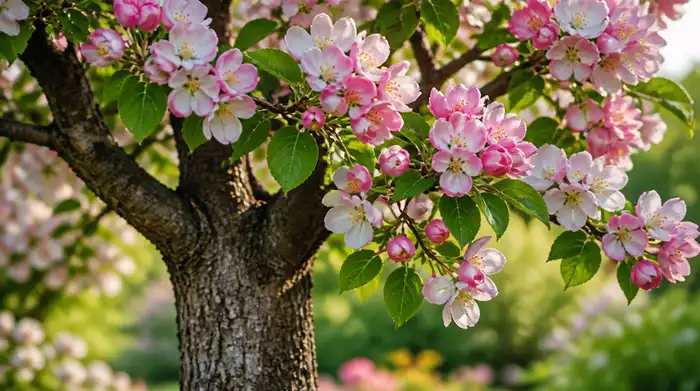
Posted on: 2026-06-27
By: Keira Vallejo
Did you know that flowering trees play a crucial role in urban ecosystems, not just by beautifying our neighborhoods but also by supporting vital pollinators? Understanding how to care for these natural treasures can transform our urban landscapes into thriving ecosystems.
What You Will Learn
- The significance of providing tailored care based on the unique needs of different flowering tree species.
- How pollination impacts the health and productivity of flowering trees, including the importance of attracting pollinators.
- Best practices for regular monitoring of trees, including checking soil moisture and spotting potential pests or diseases.
- Essential seasonal care techniques such as mulching, fertilization, and appropriate pruning for long-term tree health.
Key Practices for Blossom Care
Understanding the essential practices for maintaining healthy flowering trees is crucial for their thriving. Below is a comparative representation of these practices based on their importance and frequency. For more insights into keeping your trees vibrant, consider exploring the seasonal urban tree care guide.
Soil Moisture Check
Weekly
Regular moisture checks ensure proper hydration for optimal blooming.
Pest Monitoring
Bi-weekly
Keeping an eye on pests helps prevent damage to blossoms.
Fertilization
Spring
Applying organic fertilizers boosts tree health before blooming.
Understanding Blossom Care for Healthy Flowering Trees
When it comes to enhancing our urban landscapes, caring for flowering trees is absolutely essential. These vibrant beauties not only brighten up our neighborhoods but also play a crucial role in the ecosystem. At Urban Canopy Blog, I understand that supporting trees during their flowering season is a rewarding task that requires knowledge and commitment. Let's dive into how we can ensure our flowering friends thrive!
The Importance of Supporting Trees During Flowering Season
Flowering trees are truly remarkable, providing not just aesthetic value but also benefits to our urban environment. During their blooming phase, they need a little extra love and care to ensure that their blossoms are healthy and vibrant. By providing this support, we not only contribute to their beauty but also to the overall health of our city’s greenery.
When trees bloom successfully, they attract pollinators like bees and butterflies. This is vital for the ecosystem, as it helps in the reproduction process of many plants. What a joy it is to witness this natural cycle right in our backyards! Ensuring that our flowering trees are well cared for can lead to a flourishing environment for all living creatures. To further understand the connection between trees and urban well-being, read about urban trees and mental well-being.
Identifying the Unique Needs of Flowering Trees
Each species of flowering tree has its own unique requirements, making it essential to understand what your trees need. Factors such as soil type, sunlight exposure, and watering habits all play significant roles in their blooming success. For example, some trees thrive in full sun, while others prefer partial shade.
- Consider the specific variety of your tree.
- Assess the soil drainage and pH levels.
- Monitor their watering needs based on the season.
Recognizing these needs can help you provide tailored care. It’s like being a gardener detective—solving the mysteries of what makes each tree tick! By giving them the right conditions, we ensure that they can flourish and reward us with their stunning blossoms.
Pollination and Its Role in Blossom Health
Pollination is a key player in the health of flowering trees. Without it, many trees would struggle to produce fruits and seeds, which are essential for their survival and propagation. Ensuring a healthy population of pollinators in your area is crucial, and this can be supported by planting diverse flowers and providing habitats for these beneficial insects.
Additionally, it's important to note that some flowering trees may require specific pollinators or cross-pollination to produce fruits effectively. For instance, certain cherry trees need pollen from another tree to set fruit. Understanding these requirements can help you plan your garden to maximize the health and productivity of your trees. For more detailed information, explore the benefits of professional tree care.
- Encourage pollinator-friendly plants in your garden.
- Research your tree's specific pollination needs.
- Consider planting multiple varieties for cross-pollination.
By nurturing the pollinators and understanding their role, we can create an environment where our flowering trees can thrive and bless us with their beautiful blooms!
Pro Tip
Did you know? Regularly checking your flowering trees for signs of stress—like wilting leaves or discolored blossoms—can help you catch problems early on. By addressing issues promptly, you can enhance the overall health and longevity of your trees, ensuring that they continue to bloom beautifully season after season!
Frequently Asked Questions About Flowering Tree Care
- Q: Why are flowering trees important for urban ecosystems?
- A: Flowering trees are crucial because they not only beautify urban landscapes but also support vital pollinators, contributing to biodiversity and the overall health of the ecosystem.
- Q: What are the key practices for maintaining healthy flowering trees?
- A: Key practices include weekly soil moisture checks, bi-weekly pest monitoring, and spring fertilization. Tailored care based on species-specific needs, proper pruning, and mulching are also essential.
- Q: How does pollination affect flowering tree health?
- A: Pollination is vital for the reproduction of many flowering trees, enabling them to produce fruits and seeds. Encouraging pollinators by planting diverse flowers and understanding specific pollination requirements can significantly enhance tree health and productivity.
- Q: What should I look for when monitoring my trees?
- A: When monitoring, look for changes in leaf color, blossom health, and overall tree structure. Signs of stress, wilting leaves, discolored blossoms, or the presence of pests and diseases should be addressed promptly.
- Q: What are some best practices for the long-term health of flowering trees?
- A: For long-term health, apply organic fertilizers in early spring, use mulch to conserve moisture and suppress weeds, ensure adequate spacing for airflow, and regularly clean up fallen leaves and debris to prevent disease. Consistent year-round care is crucial.
Key Takeaways for Effective Blossom Care
As we appreciate the beauty of flowering trees, it’s crucial to remember that consistent care is what truly keeps them flourishing. By monitoring your trees throughout the blooming season, you can catch any potential issues early and ensure their health. Take the time to observe your trees, checking for signs of stress or unhealthy growth, as this can save you from larger problems down the road!
Here's a quick list of key points to keep in mind for effective blossom care:
- Regularly check soil moisture and adjust watering as needed.
- Monitor for pests and signs of disease throughout the season.
- Consider the timing of your pruning and fertilization for optimal growth.
- Stay informed about the specific needs of your tree species.
Monitoring Your Trees Throughout the Season
Keeping a close eye on your trees is essential, especially during their flowering period. One effective strategy is to establish a routine check-in schedule. You might want to inspect your trees weekly, looking for any changes in leaf color, blossom health, or overall structure. This way, you can catch issues before they escalate and ensure your trees remain vibrant and healthy!
Remember to note down any observations you make. This can help track patterns over time and refine your care practices. If you're ever unsure about what you observe, don't hesitate to reach out to fellow urban gardening enthusiasts or check out resources from Urban Canopy Blog for expert advice on assessing urban tree health!
Implementing Best Practices for Long-Term Health
To ensure your flowering trees thrive year after year, implementing best practices is key! This means not just focusing on their needs during the blooming season but also considering their care throughout the entire year. Incorporating seasonal care practices, like mulching and proper fertilization, can make a big difference in their long-term health.
Here’s a helpful list of best practices for maintaining the health of your flowering trees:
- Apply organic fertilizers in early spring for a nutrient boost.
- Use mulch to conserve moisture and suppress weeds.
- Ensure adequate spacing between trees for airflow and light.
- Regularly clean up fallen leaves and debris to prevent disease.
Engagement and Next Steps
Now that you’re equipped with the knowledge to care for your flowering trees, let's get interactive! Sharing experiences and tips with fellow tree lovers can create a wonderful community of support and knowledge. Have you found a unique care method that works wonders for your blossoms? I’d love to hear about it! Reach out to me through the comments or on social media. Engaging with your neighbors and sharing your journey not only enriches your understanding but also strengthens community bonds. For more seasonal tips, see our guide to summer tree care tips for cities.
Encouraging Reader Interaction: Share Your Blossom Care Tips
What’s your favorite blossom care tip? Maybe it’s a special watering technique or a particular fertilizer that’s worked wonders for you. I encourage you to share your insights in the comments below! Your experiences can inspire others and foster learning, making the Urban Canopy community even stronger.
Call to Action: Subscribe for Regular Updates on Tree Care
If you found this article helpful, why not subscribe to Urban Canopy Blog for more tips and tricks on tree care? You'll receive regular updates right in your inbox, keeping you informed on the best practices to enhance the beauty and health of your urban trees! Together, we can create greener, healthier cities, one tree at a time. Sign up today and join the journey towards a thriving urban landscape!
Recap of Key Points
Here is a quick recap of the important points discussed in the article:
- Provide tailored care based on the unique needs of each flowering tree species, considering factors like soil type and sunlight exposure.
- Support pollination by planting diverse flowers and understanding the specific pollination needs of your trees.
- Monitor your trees regularly throughout the blooming season to catch any potential issues early.
- Implement best practices such as applying organic fertilizers, using mulch, and ensuring adequate spacing for long-term health.

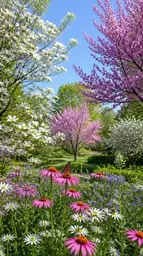 What if the secret to thriving urban gardens lies not just in the flowers we plant, but in the trees
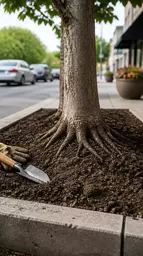 Did you know that proper soil management can significantly enhance the health of urban trees? Unders
 As winter approaches, it’s not just people who need to prepare for the cold; our trees do too. Wit