Improving Air Quality
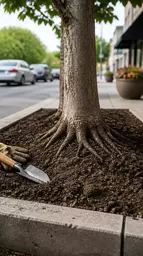
Trees absorb pollutants and release oxygen, making our air cleaner.
Subscribe to get expert tips and the latest insights on tree care and urban greening directly to your inbox.
Posted on: 2026-06-25
By: Keira Vallejo
Did you know that trees play a vital role in urban ecosystems, acting as natural air purifiers and community enhancers? Their importance goes far beyond aesthetics; they contribute significantly to our health and the environment. Engaging with urban forestry not only beautifies our cities but also fosters a sense of community responsibility.
The following visual highlights the key benefits of urban forestry and their contributions to community health and well-being. For even more detailed information on maintaining healthy urban trees, explore the benefits of professional tree care.
Trees absorb pollutants and release oxygen, making our air cleaner.
Spending time near trees and green spaces can reduce stress and improve our mood.
Landscaped areas with healthy trees often see increases in property values.
Engaging residents in tree care initiatives fosters a sense of pride and ownership.
A well-managed urban forest can adapt better to changes in climate, supporting biodiversity.
When we think about our cities, it’s easy to overlook the silent heroes that are the trees. A long-term urban tree care plan is not just a luxury; it’s essential for maintaining the health and vibrancy of our communities. By investing in a strategic approach to tree care, we can ensure that these green giants continue to thrive, providing us with shade, beauty, and cleaner air.
At Urban Canopy Blog, we believe that understanding the value of urban forestry is the first step towards a greener future. Trees act as the lungs of our cities, enhancing our air quality and making our neighborhoods more livable. They also play a crucial role in managing stormwater, reducing heat, and providing habitats for urban wildlife.
Urban forestry encompasses the planning and management of trees in urban settings. It’s about recognizing that each tree contributes to the overall health of our environment. By integrating trees into city planning, we can foster healthier communities that benefit from the numerous social, economic, and ecological advantages trees provide. For more on how urban trees contribute to well-being, read about urban trees and mental well-being.
Consider these key roles of urban forestry:
Implementing a sustainable tree management strategy is vital for ensuring the longevity of our urban forests. Such a strategy not only fosters tree health but also engages the community to take part in nurturing these vital resources. It creates a shared sense of responsibility toward our urban greenery.
Here are some benefits of a sustainable tree management strategy:
Urban greening goes beyond just planting trees; it’s about creating ecosystems that support a variety of life. Trees and plants in our cities can provide essential habitats for birds, insects, and other wildlife. The presence of diverse species contributes to a healthier urban environment, making our neighborhoods more vibrant.
Let’s take a look at how urban greening and biodiversity conservation work hand in hand:
As I share these insights with you, I invite you to consider how even small actions, like planting a tree in your yard or participating in local greening initiatives, can contribute to a healthier urban ecosystem. Together, we can create cities that not only look beautiful but also support thriving communities!
Here's a brief recap of the key points discussed so far:
As we embark on the journey of caring for our urban trees, it's crucial to remember that a tree care plan is not set in stone. The urban environment changes over time, and so do the needs of our trees! Regular evaluations and adjustments will ensure your efforts remain effective and relevant to the community's needs.
Think of your urban tree care plan as a living document, one that reflects the growth and changes within your city. By consistently monitoring our trees and the surrounding environment, we can identify areas that need improvement and adapt our strategies accordingly. This approach not only enhances tree health but also strengthens the connection between trees and the community they serve.
Regular evaluations create opportunities to learn more about the tree species in your area and their specific needs. These assessments can lead to valuable insights that guide future care initiatives. In fact, some key benefits of ongoing evaluations include:
Moreover, these evaluations help foster a sense of accountability. When community members see that there is a structured assessment plan in place, they are more likely to engage and support urban forestry initiatives. For tips on how to assess tree health, consult our guide to assessing urban tree health. By actively involving residents in the process, we can cultivate a deeper appreciation for the trees that surround us.
Community involvement is key to successful tree care! It not only spreads awareness about the importance of trees but also encourages people to take ownership of their local environment. Here are some effective strategies to engage your community in assessing urban trees:
These initiatives can create a ripple effect, inspiring neighbors to care for their trees while building a stronger community. Remember, at Urban Canopy Blog, we believe that every little action counts toward creating greener, healthier urban spaces!
To enhance the effectiveness of your urban tree care plan, implementing tree monitoring systems is a game-changer. These systems can range from simple spreadsheets to advanced software that tracks tree health, growth, and environmental conditions. Here are some features to look for:
By using these monitoring systems, communities can keep a detailed record of their trees’ health. This not only aids in future planning but also provides tangible evidence of community efforts in improving urban landscapes!
As we reflect on our journey toward a sustainable urban tree future, it’s essential to acknowledge the importance of long-term planning and community engagement. By working together, we can create a greener and healthier environment for everyone. Let’s reinforce the idea that every tree planted and cared for contributes to the overall well-being of our neighborhoods!
Encouraging stakeholders to participate in urban forestry initiatives can lead to transformative changes. When individuals recognize the value of trees in their communities, they are more likely to take action and promote tree care practices. Whether it’s through planting events or educational workshops, there are numerous ways to involve everyone in the mission to sustain our urban forests. For guidance on year-round care, check out our seasonal urban tree care guide.
Long-term planning is not just about planting trees; it’s about nurturing a culture of care and responsibility that surrounds them. By continually engaging the community, we can ensure that the benefits of urban trees are recognized and celebrated. After all, the impact of trees extends beyond aesthetics; they improve air quality, reduce heat, and support local wildlife.
So, let’s rally together and make urban tree care a priority! Share your experiences with others, and encourage them to join in. It’s not just about trees; it’s about creating vibrant communities where everyone can thrive!
As we look ahead, let’s not forget the profound environmental impact and public health benefits that trees provide. Trees help to cool our cities, reduce stormwater runoff, and even improve mental health. By emphasizing these advantages, we can inspire greater community involvement and commitment to our urban forests. Discover how urban trees cool city heat for a healthier environment.
In conclusion, the journey toward a sustainable urban tree future is ongoing, but with a solid plan, community engagement, and regular assessments, we can ensure that our cities flourish. Together, let’s embrace the responsibility of caring for our urban trees and promote a healthier, greener world for generations to come!
Here is a quick recap of the important points discussed in the article: