Foundation Protection
Prevents invasive roots from damaging building foundations.
Subscribe to get expert tips and the latest insights on tree care and urban greening directly to your inbox.
Posted on: 2026-05-08
By: Keira Vallejo
As urban landscapes evolve, the balance between nature and infrastructure becomes more crucial. Trees, while beneficial, can also pose risks to buildings if their roots aren't managed properly. Understanding the role of tree root barriers is essential for homeowners seeking to protect their properties and promote healthy tree growth.
Key advantages that homeowners can expect from effective root barrier management.
Prevents invasive roots from damaging building foundations.
Supports healthier root growth and overall tree vitality.
Enhances your home’s market appeal by preventing damage.
Less need for repairs and upkeep down the line.
Every tree in our urban landscapes serves a purpose, but did you know that their roots can sometimes create problems? Installing a tree root barrier is essential for protecting your property, especially when it comes to keeping foundations safe. At Urban Canopy Blog, we believe that understanding these barriers can help homeowners make informed decisions about tree care and maintenance.
One of the most important reasons for installing a tree root barrier is to prevent invasive roots from damaging your foundation. If you've ever seen a cracked sidewalk or a bulging foundation, you know firsthand the havoc tree roots can wreak. By setting up a barrier, you give your structure a fighting chance against the relentless growth of roots. For more on ensuring optimal tree health, consider the benefits of professional tree care, which can play a significant role in long-term maintenance.
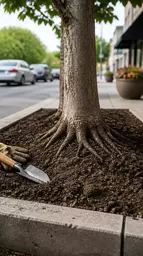
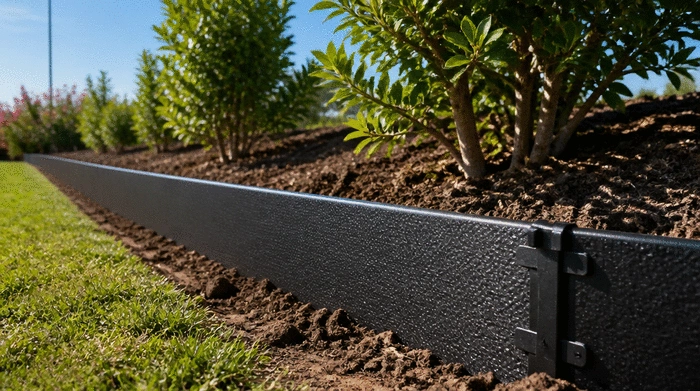
Tree root barriers play a vital role in foundation protection. They act as a shield, guiding roots away from structures and preventing them from causing damage. Without a barrier, roots can infiltrate soil and concrete, leading to significant issues.
Consider the following benefits of tree root barriers:
By prioritizing foundation protection, you not only preserve your home but also ensure your trees can thrive without causing harm.
Invasive tree roots can be quite the troublemakers! They can disrupt sidewalks, driveways, and even enter underground plumbing. When seeking water and nutrients, these roots often grow towards buildings, creating a dangerous situation over time. It’s essential to recognize the signs of root invasion early on.
Here are some frequently asked questions about tree root barriers:
Here are some common indications that tree roots may be causing damage:
Being attentive to these signs can help homeowners take action before major repairs become necessary!
Urban environments present unique challenges for tree health and root management. Limited space and compacted soil can affect how roots grow, leading them to seek nutrients and water in unwanted areas. That's where proper management and root barriers come into play!
Here are some strategies to consider for managing tree health while minimizing root issues:
At Urban Canopy Blog, we encourage urban communities to focus on nurturing their trees. After all, a healthy tree benefits everyone by improving air quality and enhancing the urban landscape!
Did you know? Regularly inspecting your tree root barriers can significantly extend their lifespan and effectiveness. Look for signs of wear and tear, and address any issues promptly. Keeping a maintenance schedule not only protects your foundation but also ensures your trees remain healthy and vibrant!
When you think about the trees around us, it’s easy to overlook the hidden marvels below the surface. Tree root barriers offer a crucial layer of protection for our urban landscapes, ensuring that trees thrive without causing damage to nearby structures. Investing in effective root barrier management not only protects your home but also fosters healthier growth for our leafy friends.
In the long run, the benefits of properly installed and maintained tree root barriers can be significant. They not only prevent costly foundation repairs but also contribute to the overall health of urban trees. A well-managed barrier can create a win-win situation for both homeowners and the environment—helping to maintain the beauty and functionality of our city landscapes! Another key element of success in urban forestry is selecting trees that are well-suited for urban spaces.
Investing in root barriers is an upfront cost that pays off over time. Here are some of the key long-term benefits:
By understanding these advantages, homeowners can appreciate how a thoughtful approach to tree care translates into a better urban environment. At Urban Canopy Blog, we believe that every investment in tree care leads to a greener and healthier community.
Regular maintenance of your tree root barriers is essential for their effectiveness. Here are the best practices to keep in mind:
By proactively maintaining your root barriers, you can save yourself from the hassle and expense of major repairs. It’s all about creating a cycle of care that benefits both you and the trees! For example, it's crucial to understand seasonal tree care to ensure the barriers function effectively year-round.
Evidence often speaks louder than words. Here are a few inspiring examples of successful tree root management:
These case studies highlight the tangible benefits of proper root management. They showcase how communities can come together to invest in their urban forests, ensuring that trees and structures coexist harmoniously!
Ready to take the plunge into the world of root barriers? It's easier than you think! Whether you choose to go the DIY route or enlist the help of professionals, taking action can lead to a healthier urban environment. Don't forget that the benefits of trees extend beyond just structural protection; consider how trees contribute to urban mental health as well.
Finding the right professionals is essential for a successful installation. Here are some tips to get started:
By reaching out to local experts, you’ll ensure that your root barrier project is handled efficiently and effectively. It’s a smart move for your trees and your home!
If you’re feeling adventurous and want to tackle this project yourself, here’s what you’ll need:
Gathering the right materials sets you up for success. It’s all about being prepared and knowing what to expect!
When planning your landscape, it’s crucial to consider the placement of your trees and the root barriers. Here are some guidelines:
Thoughtful planning can help create a thriving urban green space while safeguarding your property. Let’s work together to nurture our city’s trees!
Here is a quick recap of the important points discussed in the article: