Trees as Cultural Symbols
They represent communal memories and identity.
Subscribe to get expert tips and the latest insights on tree care and urban greening directly to your inbox.
Posted on: 2026-02-05
By: Keira Vallejo
Did you know that the presence of trees in urban environments can significantly shape cultural identity? As living symbols of history, community, and resilience, trees are integral to our cities' narratives. Discover how these green giants contribute to our urban landscapes and cultural practices.
Several important points stand out regarding the role of trees in shaping cultural identity and urban environments.
They represent communal memories and identity.
Understanding local history through tree preservation fosters a sense of belonging.
Integrating trees into urban planning promotes sustainability and community health.
Trees are more than just greenery in our cities; they are living symbols that tell the stories of our urban landscapes. They play a pivotal role in shaping our cultural identity and can often be seen as markers of history, community, and tradition. As someone immersed in urban forestry through the Urban Canopy Blog, I’ve grown to appreciate the profound connection between trees and the cultural fabric of our cities. Let’s delve into how trees act as symbols in urban settings and reflect our shared histories.
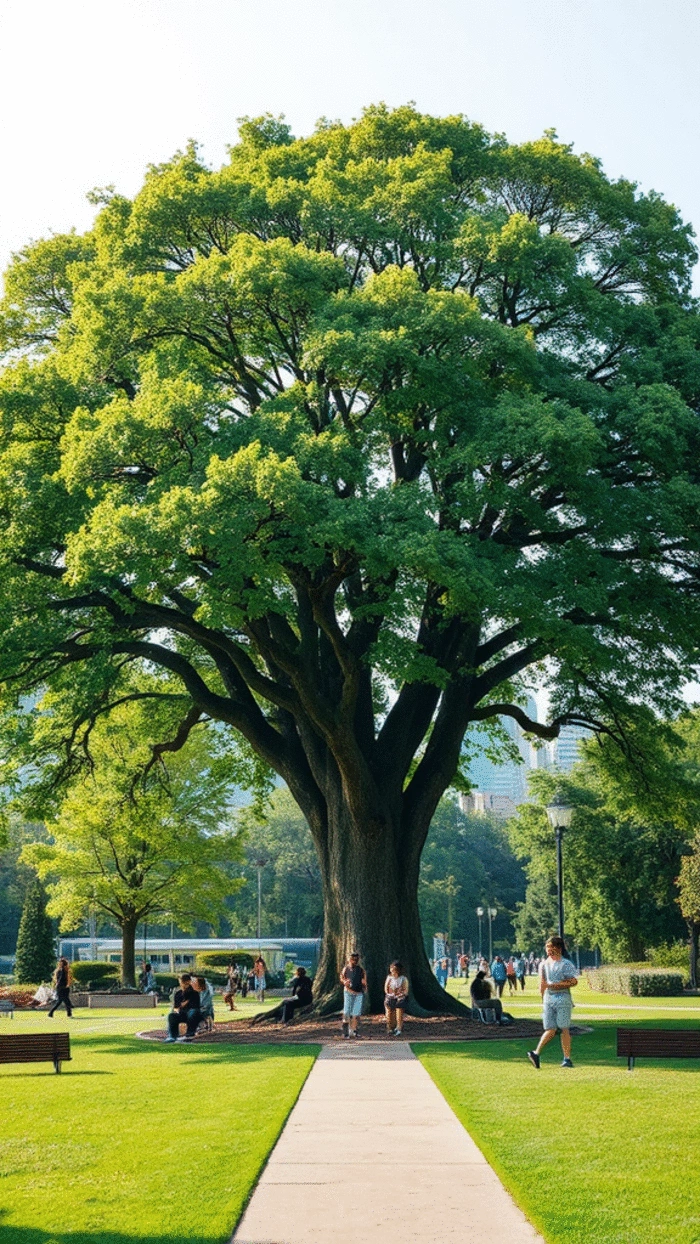
From the majestic oaks in city parks to the flowering cherry trees lining streets, each tree can represent various aspects of urban life. They not only provide environmental benefits but also connect us to our past and inspire a sense of belonging. Trees are often seen as symbols of resilience and hope, reminding us of the beauty in nature despite the urban hustle.
Throughout history, trees have stood as silent witnesses to the evolution of cities. They have been cherished as symbols of strength, wisdom, and continuity. Ancient civilizations often revered trees, planting them near temples or gathering spaces, signaling their importance in community life. Today, these historic trees continue to serve as living monuments, reminding us of our city’s unique narratives. Many factors influence the health and longevity of these trees, and understanding how to assess urban tree health is crucial for their preservation.
One fascinating example is Haussmann’s renovation of Paris in the 19th century. This urban redesign not only reshaped the city's layout but also integrated tree-lined boulevards that enhanced the aesthetic and social experience of Parisians. These trees became a key feature of Parisian culture, representing beauty and tranquility amidst bustling city life. Their presence invites residents and visitors alike to pause, reflect, and appreciate the urban environment.
Many cities have iconic trees that serve as landmarks or heritage sites. These trees often have rich histories tied to significant events or figures, making them essential to our cultural identity. For instance, in some neighborhoods, you might find trees that were planted to celebrate milestones or commemorate historical events. Their stories form part of the community’s heritage, creating a sense of continuity that connects generations.
Trees serve as living symbols of history, community, and resilience, acting as cultural markers in urban landscapes.
Preserving local trees helps communities connect with their historical narratives and fosters a sense of belonging.
Trees play a vital role in community rituals and cultural practices, reinforcing social bonds and shared values.
Integrating trees into city development is essential for sustainability, enhancing well-being and environmental health.
Trees have long held a sacred place in various cultures, often serving as focal points for rituals and traditions. They symbolize life, growth, and renewal, weaving their way into the cultural practices of many communities. Understanding how trees intersect with cultural rituals can deepen our appreciation for these natural giants in our urban landscapes.
Across the globe, many cultures honor specific trees as sacred. In Shinto, for example, trees are considered manifestations of spirits, and rituals often involve offerings and respect towards these natural entities. Similarly, in Yoruba culture, specific trees are linked to deities, and their preservation is tied to community identity. These traditions reflect how trees play a vital role in shaping cultural practices and beliefs.
In urban settings, community events often revolve around trees, such as planting ceremonies, festivals, or seasonal gatherings. These rituals not only celebrate nature but also strengthen community bonds. They offer a chance for individuals to come together, fostering a shared commitment to caring for the environment and appreciating the trees that contribute to our urban identity. To ensure these trees thrive, it's beneficial to understand the best summer tree care tips.
Every tree has its own story, and these narratives contribute to the larger tapestry of urban life. Whether through folklore, poetry, or communal stories passed down through generations, trees often embody the spirit of the place. By sharing these narratives, we can foster a deeper connection to our urban green spaces, inviting conversations about their significance in our lives.
Did you know? Incorporating trees into urban design not only beautifies the environment but also enhances mental well-being. Studies show that access to green spaces can reduce stress, improve mood, and even promote physical activity. So, when advocating for urban tree initiatives, emphasize their health benefits alongside their aesthetic and cultural significance!
As we wrap up our exploration of trees and their vital role in urban cultural identity, it's clear that these green giants hold a wealth of meaning beyond their physical presence. They enhance our cityscapes, tell our stories, and connect communities. By understanding this significance, we can better appreciate how trees shape our urban environments and cultural narratives.
Throughout our discussion, we’ve highlighted that trees are not just part of the scenery; they symbolize resilience, history, and community. From sacred trees in various cultures to the historical significance of urban landscapes like Haussmann’s Boulevards, trees serve as markers of cultural identity. They connect us to our past while providing a framework for future urban development that respects these legacies.
Reflecting on trees in urban settings, several important points stand out:
By recognizing these key elements, we can work towards a future where trees are cherished and included in our city’s growth. At Urban Canopy Blog, we believe in advocating for these vital components of our environment to preserve their legacy for generations to come!
Planning for the future involves conscious decisions about how we integrate trees into our growing cities. Strategies include:
These approaches help foster a deeper appreciation for trees among urban residents, ensuring they remain a staple in our city landscapes. By considering trees as essential infrastructure, we can create more vibrant, resilient communities.
Engagement with local tree communities can enrich our understanding of and connection to urban greenspaces. Here’s how you can get involved:
Your voice matters! Sharing experiences can lead to greater awareness and action towards preserving our urban trees. Professional tree care plays a significant role in maintaining the health and beauty of these urban assets.
Have you ever stopped to think about a tree that has impacted your life? Whether it’s a childhood memory of climbing your favorite tree or a beloved spot where you gather with friends, these stories matter. I invite you to share your local tree stories with us at Urban Canopy Blog! Your experiences can inspire others and contribute to a rich narrative about the role trees play in our communities.
Every small action counts! Supporting urban tree preservation initiatives can take many forms:
By actively engaging in these initiatives, we can help ensure a greener future for our cities. Together, we can celebrate and protect the trees that beautify and enrich our urban lives!
Lastly, consider the role of public art and advocacy groups in promoting awareness of urban trees. Art can bring attention to the beauty and significance of trees in our neighborhoods. Collaborative projects often lead to:
Art and advocacy together can create a stronger connection to our urban greenery. It's a fantastic way to engage the community and inspire others to take action in preserving our beloved trees.
Here is a quick recap of the important points discussed in the article: