Caring for Trees in Heavy Rain
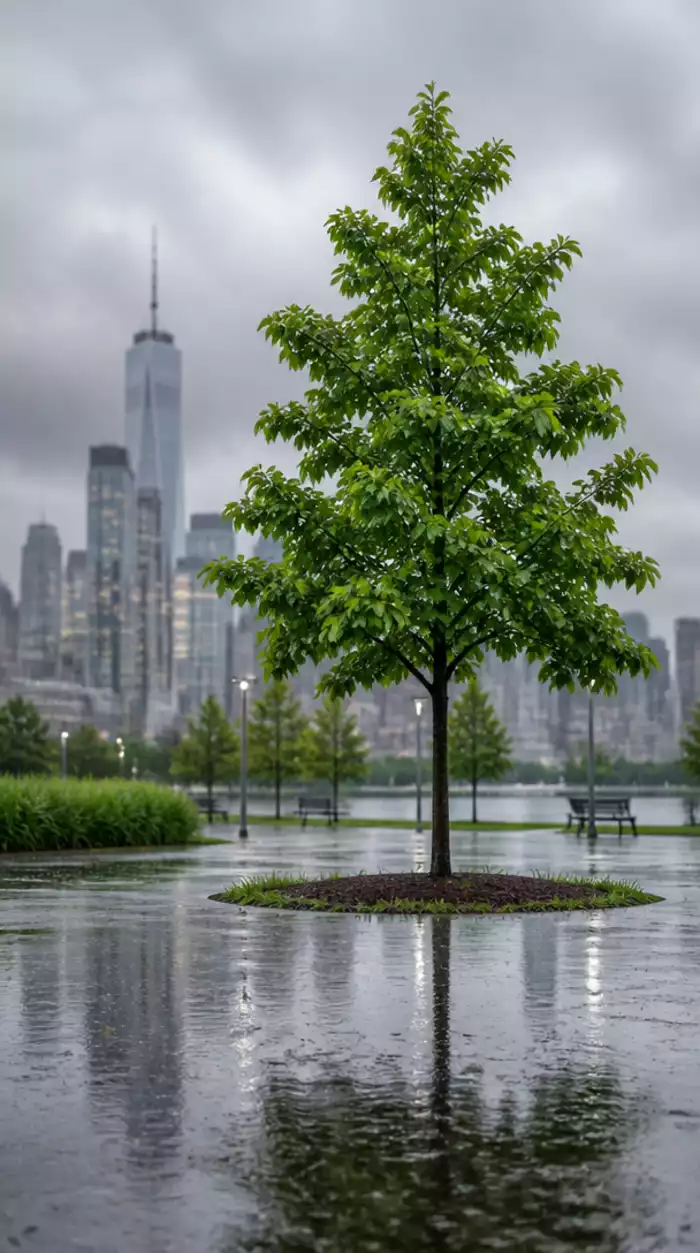
Posted on: 2026-08-14
By: Keira Vallejo
Did you know that trees are not just resilient, but also highly sensitive to their environment? Understanding their needs, especially during heavy rainfall, is essential for their survival and the health of our urban ecosystems. Here are some key insights that can empower you to better care for urban trees during these challenging conditions.
What You Will Learn
- Heavy rainfall can lead to waterlogged soil, suffocating tree roots and promoting diseases like root rot.
- Signs of tree distress after heavy rain include wilting leaves, stunted growth, and visible fungal growth on roots.
- Regularly checking soil moisture and assessing root health are crucial for maintaining tree vitality during saturated conditions.
- Soil saturation affects not just trees, but the entire urban ecosystem, disrupting biodiversity and nutrient cycles.
- Incorporating sustainable practices, such as rain gardens and permeable surfaces, can improve tree resilience and manage stormwater effectively.
- Community involvement in tree care initiatives strengthens both the urban forest and community relationships while fostering a culture of sustainability.
- Proactive tree management strategies—like regular inspections and proper irrigation—are essential for preparing for future rainfall events.
Impact of Heavy Rainfall on Urban Trees and Soil Health
Understanding the effects of heavy rain on urban trees is crucial for their maintenance. Below is a visual representation of the main impacts and strategies for dealing with waterlogged soil and tree health. For a comprehensive guide on identifying and addressing common tree ailments, consider our resource on assessing urban tree health.
Effects of Heavy Rain
- Soil Saturation
- Nutrient Loss
- Pest and Disease Increase
Signs of Tree Distress
- Wilting Leaves
- Stunted Growth
- Fungal Growth on Roots
Management Strategies
- Regular Inspections
- Proper Mulch Coverage
- Effective Drainage Solutions
Understanding the Impact of Extended Rainfall on Urban Trees
When we experience heavy rainfall, our urban trees feel the effects just like we do. As a passionate advocate for urban forestry, I’ve seen firsthand how prolonged rain impacts tree health and soil conditions. Trees, the guardians of our cities, can struggle under these circumstances, so understanding their needs during these times is crucial for their survival and growth.
It’s essential to recognize that trees aren't just resilient; they're also sensitive to changes in their environment. Heavy rainfall can lead to waterlogged soil, which can suffocate roots and create conditions ripe for disease. By learning how to identify these conditions, we can better care for our leafy friends and ensure our city’s greenery thrives!
How Heavy Rain Affects Tree Health and Soil Conditions
Every drop of rain changes the ground beneath our trees! When heavy rain falls, the soil can become saturated, leading to various issues. The excess water can wash away vital nutrients, affecting how well trees can absorb what they need. This can result in stunted growth or, in severe cases, tree death.
Moreover, with the soil becoming waterlogged, it can create a breeding ground for pests and diseases like root rot. The health of our urban trees depends heavily on how well we manage these wet conditions. For more seasonal tips on maintaining tree health, check out our seasonal urban tree care guide. Here are some signs that heavy rain is taking a toll on our trees:
- Wilting leaves despite adequate water
- Stunted growth or leaf drop
- Visible fungal growth on roots or soil
Recognizing Waterlogged Soil and Its Implications
Waterlogged soil is a telltale sign that our trees are struggling. When the ground remains saturated for extended periods, it can seriously hinder the oxygen available to tree roots. Without proper oxygen, roots can’t function effectively, leading to overall tree decline. To combat this, we must check soil moisture levels regularly—especially after heavy rains!
In addition, understanding the implications of waterlogged soil can help us take necessary precautions. For instance, if your trees are located in areas prone to flooding, consider planting flood-tolerant species to ease the strain on the ecosystem. It’s all about making informed choices to keep our urban forest healthy!
Assessing Root Health Under Saturated Conditions
Roots are the lifeblood of trees, absorbing water and nutrients from the soil. When conditions are saturated, assessing root health becomes imperative! If roots are submerged for too long, they can start to rot, which can compromise the stability of the tree. Regularly inspecting the base of your trees can provide insights into their health.
One way to assess root health is by gently digging around the root zone to observe the condition of the roots. Healthy roots are usually firm and white, while rotting roots will appear dark and mushy. Here are some steps to follow when assessing your tree's root health:
- Check for a foul smell in the soil, which indicates rot.
- Look for discolored or mushy roots.
- Examine the overall stability of the tree.
Soil Saturation and Its Effects on Urban Forestry
Soil saturation doesn’t just impact individual trees; it has broader implications for urban ecosystems. As a dedicated tree care advocate, I often emphasize that healthy trees contribute to vibrant urban environments. When trees suffer due to saturated soil, it can disrupt local biodiversity and ecological balance.
Moreover, soil saturation leads to increased runoff, causing soil erosion and loss of nutrient-rich topsoil. This cycle can harm not only our trees but also the plants and animals that share their habitat. Understanding these connections can empower us to take action in our own communities, ensuring that urban forestry remains strong!
Impact on Urban Ecosystems and Biodiversity
In urban settings, trees act as essential players in maintaining healthy ecosystems. They provide habitat for various birds and insects, contribute to air quality, and even help mitigate flooding. However, when heavy rainfall leads to soil saturation, the entire ecosystem can suffer, disrupting food chains and reducing plant diversity.
By understanding the impact of heavy rain on urban ecosystems, we can advocate for more sustainable practices. Here are a few ways we can help improve urban biodiversity:
- Plant diverse tree species to create a more resilient ecosystem.
- Encourage local wildlife by creating habitats around tree bases.
- Engage with community members to promote tree planting and care!
Understanding Hydrology in Urban Environments
Hydrology, or the study of water movement, plays a crucial role in urban forestry. It’s essential to understand how water flows through our cities to manage trees effectively during rainfall. Urban areas often have impervious surfaces that prevent water absorption, leading to increased runoff and potential flooding.
Being aware of hydrology helps us design better tree plantings and green spaces that can manage stormwater. Here are some key points to consider:
- Incorporate rain gardens to absorb excess rainwater.
- Utilize permeable surfaces in landscaping to allow water infiltration.
- Design tree planting areas with proper drainage to promote healthy root systems.
Pro Tip
Consider implementing a rainwater harvesting system in your community. Collecting and utilizing rainwater not only helps manage excess runoff but also provides a sustainable water source for maintaining tree health during dry spells. This proactive approach can play a crucial role in balancing your urban ecosystem!
Recapping Key Strategies for Urban Tree Management During Rain
As we wrap up our discussion on caring for urban trees during rainy periods, it's crucial to highlight the key strategies that can help prevent damage and enhance resilience. Understanding how to manage our trees effectively not only improves their health but also contributes to the overall well-being of our urban ecosystems. Let’s take a closer look at some long-term strategies that are essential for proactive tree care.
In urban environments, planning for future rain events involves implementing preventative measures and routine maintenance. By regularly assessing tree health, adjusting watering practices, and enhancing soil drainage, we can mitigate the impact of heavy rainfall. Don't forget the importance of community involvement, as shared efforts can lead to a greener, healthier city!
Long-Term Prevention and Maintenance Practices
Incorporating ongoing maintenance practices is vital for urban tree health. Below are some effective strategies that you can adopt:
- Regularly inspect trees for signs of distress or damage.
- Maintain proper mulch coverage to enhance soil moisture retention.
- Implement effective drainage solutions to avoid waterlogging.
- Engage with local arborists for expert advice on tree care.
It’s important to remember that these practices not only benefit individual trees but also strengthen the entire urban forest. I always encourage my community to come together for tree care initiatives—it's a wonderful way to learn and bond over our shared love for nature! For professional assistance in maintaining your trees, explore the benefits of professional tree care.
Planning for Future Rain Events Through Proactive Care
Planning effectively for rain events can significantly minimize risks associated with urban trees. One way to prepare is to keep a close eye on soil moisture levels and adjust irrigation accordingly. When rainfall is expected, you might also consider:
- Inspecting and clearing drainage paths to facilitate quick water flow.
- Monitoring the health of tree roots and implementing aeration techniques.
- Conducting regular community workshops on tree maintenance.
By taking these proactive steps, you can help your trees thrive even when the weather doesn’t cooperate. Just as we discussed earlier, engaging the community plays a crucial role in fostering a culture of care.
Community Involvement in Urban Forestry Initiatives
Encouraging community participation in urban forestry can lead to significant improvements in tree management. Organizing local events, such as tree planting days or educational workshops, can help raise awareness about the benefits of trees. Consider inviting local residents to:
- Participate in tree care clinics focused on storm preparation.
- Share their experiences and tips on urban tree maintenance.
- Collaborate with local schools for educational programs on the importance of trees.
At Urban Canopy Blog, I believe that when we come together to support our urban trees, we create stronger, more resilient communities. Let’s harness our collective passion for greenery to make our cities thrive! Discover more ways to support your local trees and enhance your community.
FAQs About Urban Tree Care During Heavy Rain
- What are the main impacts of heavy rainfall on urban trees?
- Heavy rainfall can lead to waterlogged soil, which suffocates tree roots, washes away vital nutrients, and creates conditions favorable for pests and diseases like root rot. This can result in stunted growth or even tree death.
- How can I tell if my tree is distressed after heavy rain?
- Signs of tree distress include wilting leaves despite adequate water, stunted growth or premature leaf drop, and visible fungal growth on the roots or surrounding soil. A foul smell in the soil can also indicate root rot.
- What is waterlogged soil and why is it harmful to trees?
- Waterlogged soil is ground that remains saturated with water for extended periods, severely reducing the oxygen available to tree roots. Without sufficient oxygen, roots cannot function properly, leading to overall tree decline and potential rot.
- What management strategies can help urban trees during heavy rain?
- Effective strategies include regular tree inspections, maintaining proper mulch coverage to regulate soil moisture, and implementing drainage solutions to prevent waterlogging. Planning for future rain events through proactive care and community involvement are also crucial.
- How does soil saturation affect urban ecosystems and biodiversity?
- Soil saturation can disrupt local biodiversity by harming trees and other plants, which in turn impacts the animals that rely on them for habitat and food. It also leads to increased runoff, causing soil erosion and the loss of nutrient-rich topsoil, further destabilizing the ecosystem.
Encouraging Sustainable Practices for Urban Tree Care
As we move forward, it's essential to foster a culture of sustainability in our tree care practices. Understanding the myriad ways trees contribute to urban ecosystems not only enhances our appreciation for them but also motivates us to protect them. Let's explore how we can engage communities in these vital efforts!
Fostering Awareness About Tree Contributions to Urban Ecosystems
To encourage sustainable practices, we need to raise awareness about the many benefits trees provide. Engaging communities can be achieved through:
- Hosting informational sessions on the environmental benefits of trees.
- Creating educational materials that highlight tree species and their roles.
- Encouraging neighborhood discussions about tree preservation and care.
By sharing knowledge about the positive impacts trees have on air quality, biodiversity, and community well-being, we can inspire collective action for tree care. Remember, every small effort counts!
Call to Action: Take Steps to Protect Urban Trees
Now that we've covered the essential strategies for urban tree management during rainy seasons, it’s time for you to get involved! Here are some practical steps you can take to protect urban trees in your community:
- Assess and monitor the trees in your area—report any issues to local authorities.
- Implement the recommended practices we've discussed in your own yard.
- Join or initiate community tree care events!
Each action contributes to a greener and healthier city. Let’s all commit to nurturing our urban forests for generations to come!
Resources for Further Learning and Support
To deepen your understanding of urban forestry and tree care, I encourage you to explore additional resources. Some excellent options include:
- Local cooperative extension services for workshops and guidance.
- Online courses focusing on urban forestry practices.
- Community groups dedicated to tree care and preservation.
By staying informed and connected, we can all make a difference in the health of our urban landscapes. Together, let’s protect our trees and enhance our communities! For more details on maintaining your trees through various weather conditions, refer to our article on caring for trees after storms.
Recap of Key Points
Here is a quick recap of the important points discussed in the article:
- Heavy rainfall can lead to waterlogged soil, affecting tree health and nutrient absorption.
- Signs of tree distress due to excess moisture include wilting leaves, stunted growth, and fungal growth.
- Regularly assess root health by checking for foul smells, discoloration, and overall stability.
- Implement effective drainage solutions and maintain proper mulch to prevent waterlogging.
- Engage community members in tree care initiatives to foster a culture of sustainability and awareness.
- Educate others about the vital role trees play in urban ecosystems to inspire collective action.

 What if a single checklist could protect your property and enhance its value? For property managers,
 What if the secret to thriving urban gardens lies not just in the flowers we plant, but in the trees
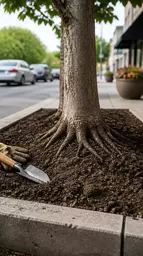 Did you know that proper soil management can significantly enhance the health of urban trees? Unders