Drought
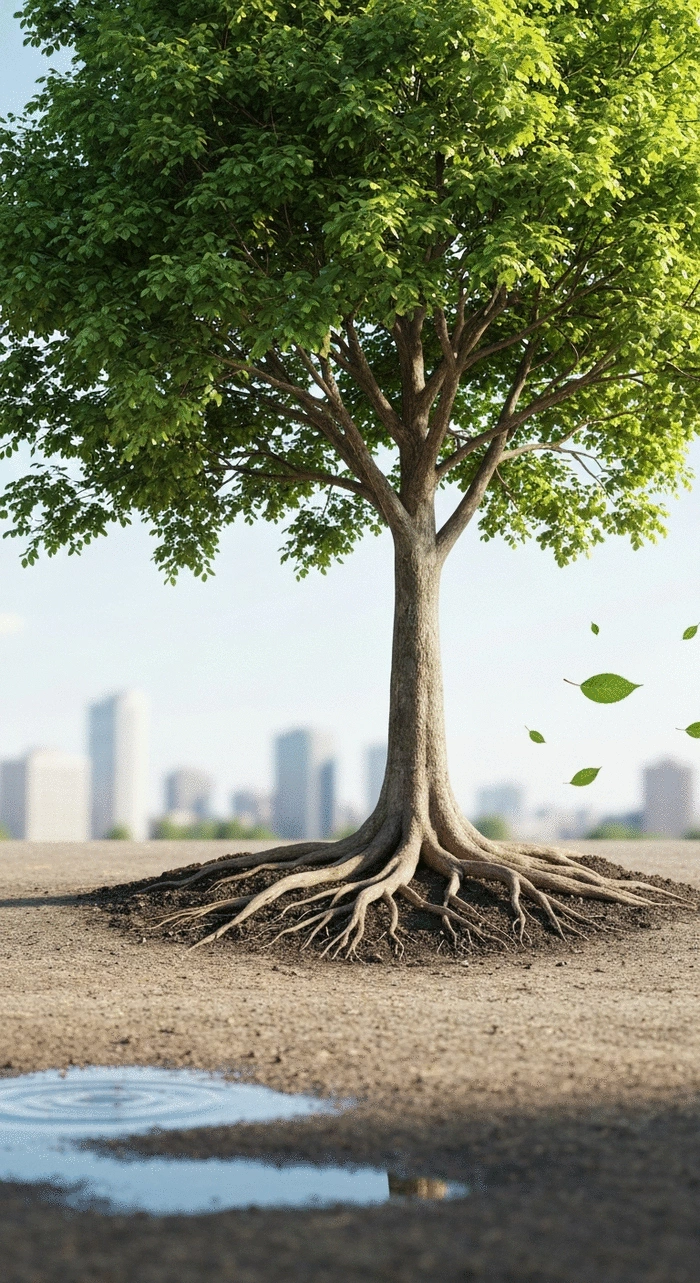
Symptoms: Reduced leaf size, leaf drop, stunted growth.
Subscribe to get expert tips and the latest insights on tree care and urban greening directly to your inbox.
Posted on: 2026-01-03
By: Keira Vallejo
As urban environments evolve, the resilience of trees becomes increasingly critical in combating climate challenges. Understanding the vulnerabilities of these green giants to extreme weather is essential for sustainable city planning.
Understanding the specific risks posed by droughts, floods, and storms is crucial for effective tree care.
Symptoms: Reduced leaf size, leaf drop, stunted growth.
Symptoms: Soil erosion, root rot, decreased oxygen availability.
Symptoms: Broken limbs, bark damage, uprooted trees.
As an urban forestry expert, I often witness the incredible resilience of trees in our cities. However, the reality is that extreme weather events can severely impact their health and stability. Understanding how factors like droughts, floods, and storms affect urban trees is crucial for any community striving to maintain its greenery.
When you think about it, our trees face a multitude of challenges. For example, a severe drought can stress trees by limiting water availability, while heavy rains can lead to soil saturation, making roots vulnerable to rot. Storms bring their own set of challenges, often resulting in broken branches and uprooted trees. It's vital to recognize these threats so we can act proactively.
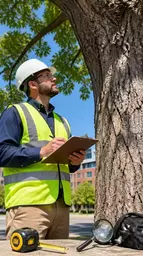
To ensure your urban trees thrive, consider that professional tree care can make a significant difference. Arborists bring expertise and experience that can help mitigate the impacts of extreme weather. They can also help identify early signs of stress, ensuring that preventative measures are taken in a timely manner.
Each extreme weather event poses unique risks to our urban trees. Drought, for instance, can lead to wilting leaves and reduced growth, while flooding can suffocate roots and hinder nutrient absorption. Understanding these specific impacts helps us tailor our care practices effectively.
By keeping an eye out for these signs, we can help our trees bounce back more quickly and maintain their integral role in enhancing our urban landscapes. As a community, we should prioritize educating ourselves about these environmental challenges!
FAQs About Urban Tree Resilience
When trees are stressed, they send us signals, and it's essential we recognize them. These symptoms are often visible and can serve as a warning sign for necessary care. From discoloration of leaves to unusual growth patterns, understanding these indicators can help us take action before it's too late.
As someone who loves trees, it pains me to see them struggling. Regular assessments can help us catch these stress symptoms early, ensuring our urban canopies remain vibrant and healthy. Recognizing these signs early is crucial, and it may be helpful to consult a guide on assessing urban tree health to ensure you're catching any potential issues in their early stages.
The tree canopy is like the lungs of the city, playing a vital role in maintaining environmental balance. It provides shade, cools urban heat, and even improves air quality! By absorbing carbon dioxide and releasing oxygen, trees make our cities more livable.
Whenever I walk through neighborhoods and see dense tree canopies, I can't help but think about all the benefits they provide. We must cherish and protect these green giants to ensure our cities thrive!
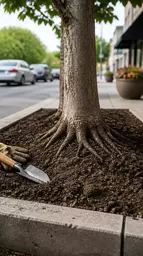
Healthy soil is the foundation of robust trees, so we cannot overlook its importance. The nutrients and structure of the soil directly influence a tree's ability to withstand environmental stressors. Poor soil conditions can weaken trees, making them more susceptible to damage during extreme weather.
As we strive to create healthier urban ecosystems, improving soil health should be at the top of our list! It’s one of the most effective ways to support our trees, especially during challenging weather conditions.
Did you know? Regularly monitoring soil health can significantly improve the resilience of urban trees. Implementing soil tests can help identify nutrient deficiencies and pH imbalances, allowing for targeted amendments that strengthen tree roots and enhance overall tree vigor. Investing in soil health today can lead to healthier trees tomorrow!
As we look towards the future, long-term planning for urban tree health is essential in navigating the challenges posed by a changing climate. At Urban Canopy Blog, I believe that a proactive approach to tree care is vital. This means not only focusing on immediate care but also making strategic decisions that will benefit urban trees for years to come.
One key aspect is choosing tree species that are resilient and well-suited for urban environments. By selecting trees that thrive under changing climatic conditions, we can enhance our green spaces and promote biodiversity. This not only supports the ecosystem but also makes our cities more vibrant and livable.
When selecting trees for urban areas, it’s essential to consider both resilience and the ability to adapt to local conditions. Here are some important factors to consider when choosing tree species:
By making informed choices, we can ensure that our urban trees remain healthy and beneficial for generations. Each tree planted today is a step towards a greener city tomorrow! When planning your urban landscape, considering optimal tree planting times can substantially improve a tree's chances of thriving.
Using native plants in our urban forests is one of the best ways to promote biodiversity. Native trees not only support local wildlife but also require less maintenance compared to non-native species. Here are a few native trees to consider:
These trees are not just beautiful; they are adapted to local conditions and can better withstand the pressures of climate change. Plus, they create habitats for birds and other wildlife, enriching our urban landscapes!
As urban forestry evolves, incorporating climate modeling into our practices is crucial. This helps us anticipate future challenges and adapt our tree care strategies accordingly. By understanding climate patterns, we can make informed decisions about tree planting, maintenance, and resources.
Effective climate resilience planning involves several steps, such as:
Ultimately, by blending knowledge with action, we can create urban forests that not only survive but thrive in the face of climate change.
Community engagement plays a vital role in urban tree care! When residents actively participate, they not only take ownership of their local environment but also enhance the health of urban trees. At Urban Canopy Blog, I’m all about empowering communities through knowledge and action.
Let’s explore some effective ways to engage with your community and promote tree care initiatives:
Learning from successful case studies can inspire new tree management practices in your area. Here are a few examples:
Sharing these successes can spark interest and enthusiasm among community members, leading to more collaborative efforts towards tree care!
Getting the community involved is key to fostering a culture of tree care. Here are some strategies that work:
When communities come together, the impact is incredible! By fostering a shared responsibility for urban greenery, we can create a healthier environment for everyone.
Awareness campaigns can significantly increase public engagement in urban tree care. Consider organizing events or using social media platforms to share information. Some effective campaign ideas include:
By providing clear and compelling information, we can inspire individuals to take action and support the urban canopy!
To truly make an impact, community tree programs should focus on education. Engaging residents through educational initiatives can lead to long-term benefits for urban forests. Here are some suggestions for effective programs:
As we empower our communities with knowledge, we pave the way for a brighter, greener future!
As we wrap up our discussion on urban tree care, it’s clear that the health of our trees is intrinsically linked to the health of our cities. By embracing long-term planning, community involvement, and effective management practices, we can ensure that our urban forests thrive amid changing climates.
I encourage homeowners and arborists alike to take action! Whether it’s planting a new tree or participating in a community event, every effort counts. Remember, we’re all in this together—creating greener spaces for our loved ones and ourselves.
For further learning, don’t hesitate to check out the resources available at Urban Canopy Blog. Together, let's nurture our urban environments and celebrate the beauty of trees!
Here is a quick recap of the important points discussed in the article: