Urban Trees: Heatwave Recovery Tips
Posted on: 2026-07-15
By: Keira Vallejo
The health of our urban trees is under threat as climate change intensifies, leading to increased heat stress. How can we recognize and mitigate this impact to preserve our green spaces? Understanding the signs and implementing care strategies is crucial for ensuring the survival of our beloved trees.
Key Takeaways
- Recognizing Symptoms: Common signs of heat stress include canopy dieback, wilting, leaf scorch, stunted growth, and increased vulnerability to pests.
- Long-term Effects: Prolonged heat stress can weaken trees, making them susceptible to diseases and pests, and may ultimately shorten their lifespan.
- Environmental Impact: Urban heat islands, air pollution, and soil compaction exacerbate stress on trees, highlighting the need for tree-friendly urban planning.
- Effective Care Strategies: Immediate actions like deep watering, regular soil moisture monitoring, and proper pruning can help trees recover, while long-term strategies include soil improvement and mulching.
- Community Involvement: Engaging your community through workshops, tree care groups, and resource sharing is vital for maintaining healthy urban forests.
Key Strategies for Urban Tree Care During Heat Stress
Implementing effective care strategies can significantly enhance the survival and health of urban trees affected by heat stress. For comprehensive guidance on seasonal care, consider reviewing our seasonal urban tree care guide. Below is a visual representation of immediate and long-term care strategies.
Immediate Care Strategies
- Watering: Employ deep watering techniques to hydrate root zones.
- Monitoring: Regularly check soil moisture levels for informed watering.
Long-term Care Strategies
- Pruning: Remove dead or diseased branches.
- Soil Improvement: Use organic amendments to enhance soil health.
- Mulching: Apply mulch to retain moisture and regulate soil temperature.
Understanding Heat Stress in Urban Trees: Symptoms and Impact
As the summer sun blazes down on our city landscapes, have you ever wondered how our urban trees cope with the soaring temperatures? Heat stress can significantly affect their health, making it crucial for us to recognize the signs and understand its impact. Here at the Urban Canopy Blog, we aim to shed light on this important issue, empowering you to take action and care for your trees effectively.
So, how can you identify when your beloved trees are suffering from heat stress? Knowing the symptoms is the first step in ensuring they receive the care they need. Let’s dive into the signs and long-term effects of heat stress on our urban tree canopy.
Identifying Heat Stress Symptoms in Urban Trees
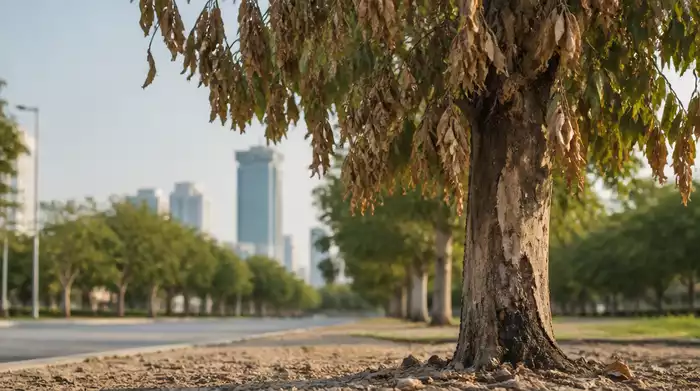
When it comes to spotting heat stress, two common symptoms often stand out: canopy dieback and wilting. Canopy dieback refers to the gradual loss of leaves in the upper portions of the tree, creating a sparse and unhealthy appearance. Wilting leaves can also be an alarming sign, often indicating that the tree is struggling to retain water during extremely hot weather.
Other symptoms to look out for include:
- Leaf scorch: Edges of leaves turning brown and crispy.
- Slow growth: Trees may exhibit stunted growth as they prioritize survival over development.
- Increased susceptibility to pests: Stressed trees are more prone to insect infestations.
If you notice these symptoms, it’s essential to act quickly. Ignoring these signs could lead to long-term effects on the health of your trees. For additional tips on how to protect urban trees during intense heat, explore our guide on protecting urban trees from heat.
Common Signs of Stress: Canopy Dieback and Wilting
Canopy dieback and wilting are often the first indicators of heat stress. When a tree is under stress, it may use its resources more efficiently, resulting in a decline in leaf density. This not only affects the tree's aesthetic appeal but also its ability to provide shade and improve air quality. Recognizing these signs early can help ensure a tree’s survival.
For urban trees, the environment plays a vital role in their resilience. Factors such as limited soil volume, pollution, and increased temperatures can exacerbate these symptoms. Keeping a close eye on your trees during heatwaves can make a world of difference!
Long-term Effects of Heat Stress on Tree Health
The long-term effects of heat stress can be quite severe, potentially leading to tree decline and even death. Prolonged periods of heat can weaken a tree's structure, making it more susceptible to diseases and pests. Additionally, repeated heat stress can shorten a tree's lifespan, impacting the beauty and function of our urban forests.
It’s not just about aesthetics; healthy trees play a critical role in our communities. They improve air quality, provide shade, and enhance our overall quality of life. By understanding heat stress, we can take proactive steps to protect our urban trees for generations to come.
Environmental Stressors Affecting Urban Trees
Urban environments present unique challenges for trees, especially with the phenomenon known as the Urban Heat Island Effect. This occurs when urban areas become significantly warmer than their rural surroundings due to human activities, buildings, and infrastructure. It’s essential to recognize how these environmental stressors impact our urban trees, as they can exacerbate heat stress symptoms.
Some additional environmental factors include:
- Air pollution: Pollutants can weaken trees and hinder their growth.
- Soil compaction: This limits root growth and access to nutrients and water.
- Limited green space: Reduces the natural cooling effects of trees.
Understanding these stressors helps us create strategies for better tree care and urban planning. Together, we can make our cities more tree-friendly!
Impact of Urban Heat Island Effect on Tree Canopy
The Urban Heat Island Effect significantly impacts urban tree canopies. This phenomenon leads to higher temperatures in city areas, making it harder for trees to thrive. As temperatures rise, trees may experience increased water loss, stressing them further. It’s vital to address these challenges by planting more trees and preserving existing canopies.
Through community efforts and educational initiatives like those offered at the Urban Canopy Blog, we can spread awareness about the importance of urban greenery and its role in combating heat stress. Together, let’s cultivate healthier urban ecosystems!
Climate Adaptation Strategies for Urban Trees
To help our urban trees adapt to the changing climate, we must implement effective strategies. Some of these strategies include:
- Planting native tree species that are better suited to withstand heat.
- Creating green spaces with shade-providing structures.
- Incorporating water-efficient irrigation practices.
By including these strategies in our urban planning, we can support our trees in thriving amidst the challenges posed by climate change. Let’s work together to create a greener and more sustainable urban environment!
Pro Tip
Did you know? Regularly checking the soil moisture level can be a game-changer for your urban trees. Use a soil moisture meter to accurately gauge the water needs of your trees, ensuring they receive the right amount of hydration, especially during heat waves. This small action can significantly enhance their resilience against heat stress!
Frequently Asked Questions About Urban Tree Heat Stress
Q1: What are the common signs of heat stress in urban trees?
A1: Common signs include canopy dieback (gradual loss of leaves in upper portions), wilting leaves, leaf scorch (brown and crispy leaf edges), stunted growth, and increased susceptibility to pests.
Q2: What are the long-term impacts of heat stress on urban trees?
A2: Prolonged heat stress can weaken a tree's structure, making it more vulnerable to diseases and pests, and can ultimately shorten its lifespan, affecting the overall health and function of urban forests.
Q3: How does the Urban Heat Island Effect impact trees?
A3: The Urban Heat Island Effect causes city areas to be significantly warmer than rural surroundings, leading to increased water loss in trees and exacerbating heat stress symptoms. This makes it harder for trees to thrive.
Q4: What immediate care strategies can help trees recover from heat stress?
A4: Immediate strategies include deep watering to hydrate root zones and regularly monitoring soil moisture levels to ensure informed watering decisions.
Q5: What long-term strategies can be implemented for urban tree care?
A5: Long-term strategies involve proper pruning to remove dead or diseased branches, improving soil health with organic amendments, and applying mulch to retain moisture and regulate soil temperature.
Conclusion and Summary of Key Heatwave Recovery Tips
As we wrap up our discussion on heat stress and recovery for urban trees, it’s essential to remember that effective care can make a significant difference in their survival and health. At Urban Canopy Blog, I often see how simple steps can lead to remarkable outcomes. Here’s a quick recap of some immediate and long-term care strategies to help your trees bounce back from the heat.
First, focus on immediate care during heatwaves by ensuring proper watering techniques. Deep watering can help hydrate the root zone effectively, while consistently monitoring soil moisture aids in making informed decisions about when to water. Long-term strategies, such as adopting pruning practices and improving soil health, are equally vital for ensuring trees recover fully.
Recap of Immediate and Long-term Care Strategies
To support your trees through their recovery process, consider implementing the following strategies:
- Watering: Employ deep watering techniques and establish a regular schedule to maintain soil moisture.
- Pruning: Focus on removing dead or diseased branches to promote healthier growth.
- Soil Improvement: Enhance soil health with organic amendments to encourage robust root systems.
- Mulching: Apply a layer of mulch to retain moisture and regulate soil temperature.
These steps, combined with consistent care, will help your trees thrive after facing the stress of high temperatures. Remember, trees are resilient, but they need our support to flourish in urban environments! For more detailed advice, check out our summer tree care tips for cities.
Call to Action: Keeping Our Urban Trees Healthy
Now that you’re equipped with knowledge about heat stress and recovery for urban trees, it’s time to take action! Community engagement plays a vital role in the health of our urban forests. Let’s work together to nurture and protect these essential green spaces!
Here are some ideas to encourage community involvement and tree care:
- Host workshops: Organize local events to teach tree care techniques and share experiences.
- Form a neighborhood group: Create a tree care group to regularly check on and maintain local trees.
- Share resources: Utilize the Urban Canopy Blog and other platforms to distribute helpful information.
By fostering a sense of responsibility toward our trees, we can make a lasting impact on our urban landscapes. Additionally, consider reaching out to local arborists for expert advice or support. Together, we can ensure our urban trees not only survive but thrive! Discover the many benefits of professional tree care for your community.
Resources for Further Learning and Local Arborist Contacts
If you’re looking for more information or have specific questions about tree care, don’t hesitate to explore the plethora of resources available. Websites like Urban Canopy Blog offer guides and tips tailored for urban tree enthusiasts. You can also connect with local arborists who can provide personalized guidance based on your community’s unique needs.
Public Awareness Campaigns for Urban Tree Care
Let’s not forget the power of awareness! Engage your community through public campaigns that highlight the importance of tree care and the benefits of maintaining healthy urban forests. By spreading knowledge and fostering a community spirit, we can ensure that our cities remain vibrant and green for generations to come. Are you ready to get involved? Let’s nurture our urban canopies together!
Recap of Key Points
Here is a quick recap of the important points discussed in the article:
- Symptoms of Heat Stress: Look for canopy dieback, wilting, leaf scorch, slow growth, and increased susceptibility to pests.
- Long-term Effects: Prolonged heat stress can lead to tree decline, weakened structure, and a shortened lifespan.
- Environmental Stressors: Be aware of air pollution, soil compaction, and limited green space that exacerbate tree stress.
- Climate Adaptation Strategies: Plant native species, create green spaces, and use water-efficient irrigation to help trees adapt.
- Immediate Care Strategies: Ensure proper watering, prune dead branches, improve soil health, and use mulch to retain moisture.
- Community Engagement: Host workshops, form neighborhood groups, and share resources to foster a collective responsibility for tree care.

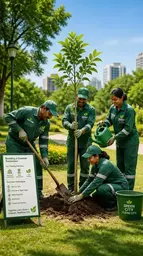 Did you know that trees in urban areas can significantly enhance community health and aesthetics? Wi
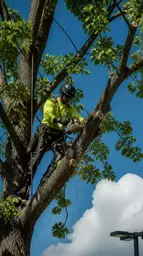 Did you know that proper windproofing of urban trees can significantly enhance their resilience agai
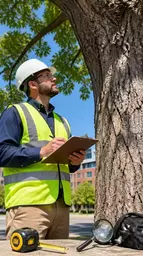 What if a single checklist could protect your property and enhance its value? For property managers,