Why Leaves Change Color
Posted on: 2026-01-21
By: Keira Vallejo
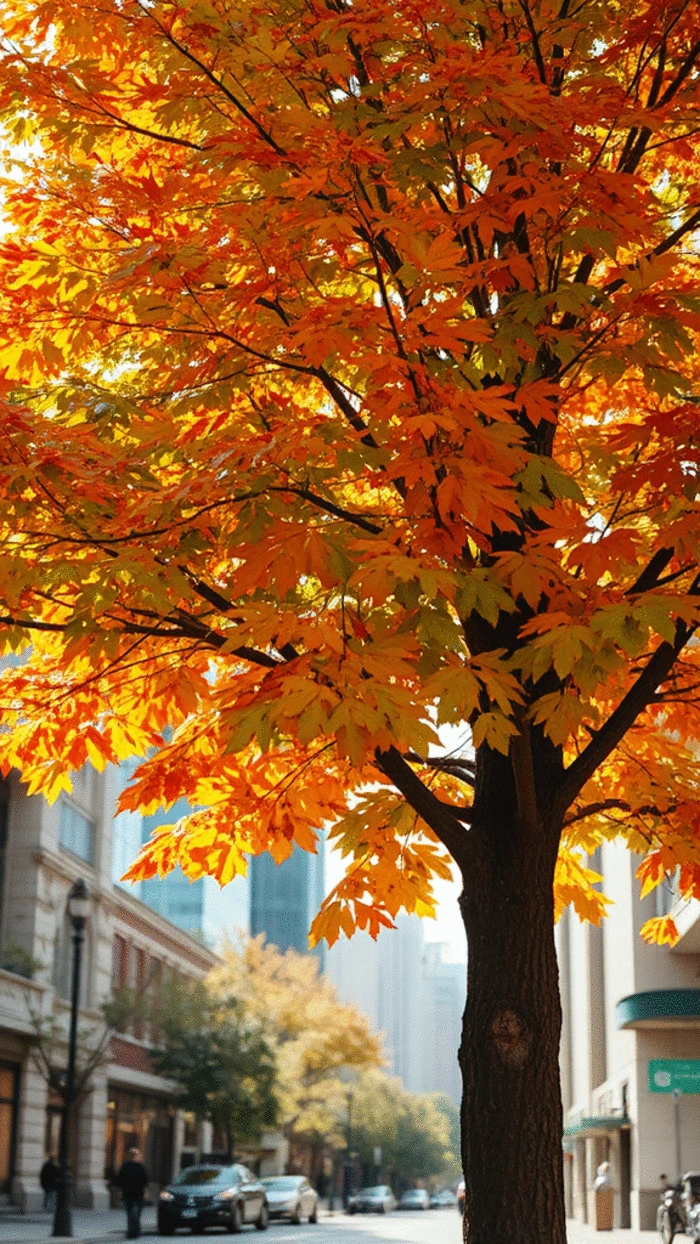
As we transition into the vibrant hues of fall, the spectacle of changing leaves serves as a reminder of nature's resilience and adaptability. Each tree's transformation is not merely a feast for the eyes; it's a complex interplay of biology and environment that tells a unique story of survival in urban landscapes.
What You Will Learn
- The breakdown of chlorophyll reveals the stunning colors hidden beneath the green facade of leaves.
- Carotenoids contribute to the beautiful yellows and oranges, protecting leaves from excess sunlight.
- Anthocyanins are responsible for the brilliant reds and purples and thrive in urban stress conditions.
- Environmental factors such as weather patterns, urban heat islands, and soil nutrients significantly influence leaf color intensity.
- Healthy trees with adequate nutrients and water typically showcase more vibrant fall colors, while stress conditions can dull foliage.
- Understanding these natural processes enhances our appreciation for urban trees and emphasizes the importance of tree care.
Key Factors Influencing Leaf Color Changes
Understanding the various biological and environmental factors affecting leaf colors helps us appreciate urban trees better.
Chlorophyll Breakdown
Reveals hidden colors as it fades.
Carotenoids
Produce yellows and oranges.
Anthocyanins
Create reds and purples under specific conditions.
Environmental Influences
- Weather Patterns
- Urban Heat Islands
- Soil Nutrients
The Science Behind Seasonal Leaf Changes: Why City Trees Shift Colors
Have you ever walked down your neighborhood street, captivated by the vibrant colors of the trees in fall? Understanding the reasons behind these seasonal leaf changes is essential for appreciating the beauty of our urban landscapes. At Urban Canopy Blog, we believe that by exploring these phenomena, we can appreciate the intricate balance of nature in our cities.
Understanding Leaf Color Changes in Urban Environments
It's fascinating to consider how trees adapt to their surroundings, especially in urban environments where conditions can vary significantly. The changes in leaf color are not just a visual treat; they reflect the health and vitality of our city trees. As we delve into this topic, we’ll see how urban factors influence these essential changes. Understanding seasonal urban tree care can help ensure the vibrancy and longevity of these natural displays.
Why do you think leaves change colors? Is it just for beauty, or do they have a deeper purpose? Studying leaf color changes helps us understand the *health of urban ecosystems* and the critical role trees play in keeping our city landscapes vibrant and alive.
Biological Processes Behind Color Transformation
At the core of leaf color changes is a fascinating interplay of biological processes. One of the most significant players in this transformation is chlorophyll, the green pigment responsible for photosynthesis. As the seasons shift, chlorophyll breaks down, revealing the other pigments in the leaves.
The Role of Chlorophyll and Its Breakdown
Chlorophyll plays a vital role in helping trees absorb sunlight and convert it into energy. As autumn approaches, the days grow shorter and temperatures drop, prompting trees to stop producing chlorophyll. This breakdown leads to a spectacular reveal of the vibrant colors hidden beneath the green facade.
So, what happens when chlorophyll fades? The other pigments start to come to life, showcasing the beauty of the season! This transformation is a reminder of the changes taking place in our environment and how trees adapt to these shifts.
Carotenoids and Their Contribution to Fall Foliage
Next up are carotenoids, responsible for the bright yellows and oranges we see in fall. These pigments are always present in leaves but become visible when chlorophyll breaks down. Carotenoids absorb light for photosynthesis and protect the leaf from photo-damage. For more on ensuring your trees are getting enough sunlight, consider reading about boosting trees in urban areas.
- Carotenoids produce yellow and orange hues.
- They play a role in protecting leaves from excessive sunlight.
- These pigments contribute to the overall beauty of autumn foliage.
When you see those golden hues in city trees, thank carotenoids for their delightful display! These pigments remind us of the beauty that lies beneath the surface, waiting for the right moment to shine.
Anthocyanins: The Red and Purple Pigments
Now, let’s talk about the star of the show—**anthocyanins**! These pigments are responsible for the stunning reds and purples we often associate with fall. Interestingly, they are not always present in leaves. Their production can be influenced by environmental factors such as light levels, temperature, and even the tree's health.
In urban settings, anthocyanins can thrive due to various stress factors, like pollution and soil conditions. This adaptability showcases the resilience of city trees and their ability to evolve in challenging environments.
Leaf Pigments: A Comprehensive Overview
In summary, the vibrant leaf colors we admire each fall result from a complex interplay of pigments: chlorophyll, carotenoids, and anthocyanins, along with other compounds like tannins. Each of these pigments has its own role, contributing to the stunning display of colors we see in our city landscapes.
- Chlorophyll: Green pigment essential for photosynthesis.
- Carotenoids: Produce yellows and oranges.
- Anthocyanins: Create reds and purples under specific conditions.
- Tannins: Affect the overall health and browning of leaves.
By understanding these pigments, we can appreciate the beauty of our urban tree canopies even more. They are not only essential for the trees’ health but also add a vibrant touch to our city's seasonal changes.
Factors Influencing Leaf Color Intensity in City Trees
The intensity of autumn colors in urban trees is influenced by various environmental factors. As a dedicated urban forestry expert, I can tell you that weather patterns, urban heat islands, and soil conditions all play a crucial role. Let’s break these down further!
Environmental Triggers: Weather Patterns
Weather conditions can significantly impact the vibrancy of leaf colors. Sunny days combined with cool nights create the perfect environment for trees to produce anthocyanins, enhancing those beautiful reds and purples. The timing of these weather changes can vary year to year, leading to differences in the fall color display. To prepare your trees for varied weather, consider the seasonal weather and urban trees.
- Sunny days boost photosynthesis and pigment production.
- Cool nights help retain sugars in leaves, promoting anthocyanin production.
- Day length affects the timing of leaf senescence.
Next time you admire the fall colors, remember that the weather is a key player in this vibrant show! It’s nature’s way of reminding us how interconnected our environments really are.
Urban Heat Islands and Their Impact on Leaf Colors
Urban heat islands, which are areas that are significantly warmer than their rural surroundings due to human activities, can also affect how our city trees display their colors. Trees in these warmer areas may adapt by producing more anthocyanins, resulting in deeper red hues. This adaptation illustrates how resilient our urban trees can be!
As I observe urban landscapes, I often find it remarkable how trees respond to their environments. It’s a powerful reminder that they are not just static elements but living, breathing parts of our ecosystem!
Soil Nutrients and Water Availability: Their Role in Color Changes
Lastly, soil nutrients and water availability are fundamental to tree health and, consequently, their leaf color changes. Trees that have access to ample nutrients and moisture tend to exhibit more vibrant colors. In contrast, stress from drought or nutrient deficiency can lead to duller foliage. To ensure your trees are healthy, explore the benefits of professional tree care, which includes soil assessment and proper watering techniques.
- Healthy soil promotes robust tree growth.
- Water availability influences leaf health and color intensity.
- Nutrient deficiencies can lead to poor color changes.
As we work together to nurture our city landscapes, understanding these factors can help us cultivate healthier trees and more vibrant urban environments. It’s all connected, and every small effort contributes to a bigger change!
Did You Know?
According to a study by the National Forest Service, urban trees can absorb up to 30% more carbon dioxide than rural trees due to their adaptability to city environments. This resilience not only contributes to their stunning fall colors but also plays a crucial role in improving air quality and combating climate change in urban areas.
Conclusion and Key Takeaways on Leaf Color Changes
As we wrap up our exploration of leaf color changes in urban trees, it's essential to remember the intricate biological processes and environmental factors at play. From the breakdown of chlorophyll to the emergence of vibrant carotenoids and anthocyanins, each color transformation tells a story of adaptation and survival. Plus, the unique conditions of city life, like soil nutrients and temperature variations, significantly influence how trees respond to seasonal shifts. Understanding these elements can empower us to appreciate and care for our green companions in urban landscapes.
Recap of the Biological and Environmental Factors
Here’s a quick recap of the main points we discussed:
- Chlorophyll breakdown: This key process reveals beautiful colors as it fades.
- Carotenoids: These pigments bring yellow and orange hues to life as summer fades.
- Anthocyanins: The reds and purples emerge through favorable conditions in our city trees.
- Environmental influences: Weather patterns, urban heat islands, and soil nutrients all play a critical role.
Recognizing how these factors intertwine not only enhances our understanding of nature but also supports our efforts in maintaining greener cities. If we want healthier urban forests, we must keep these processes in mind as we engage in tree care and maintenance.
Engaging with the Seasonal Transformation
Every autumn, the transformation of leaves invites us to pause and reflect on the beauty surrounding us. The colorful display is not just a feast for the eyes but also a vital part of urban ecology. So, take a moment to step outside and enjoy the vibrant foliage! Whether it's the golden yellows of birches or the fiery reds of maples, each tree adds character to our city landscapes.
At Urban Canopy Blog, we believe that connecting with nature enriches our lives. So, let’s cherish this seasonal spectacle and consider ways to promote tree health as we witness these beautiful changes. By understanding what drives these transformations, we can foster a deeper appreciation for the trees that grace our neighborhoods.
FAQs: Common Questions about Leaf Color Changes
Why do some city trees turn red faster than others?
The speed at which trees change color is often linked to their species and the specific environmental conditions they face. For instance, maples might show off their red leaves sooner than oaks due to their pigment production and response to temperature changes. So next time you see a tree turning red, think about its unique story!
How does climate change affect seasonal leaf changes?
Climate change can shift the timing of leaf color changes, often leading to alterations in the vibrancy and duration of these displays. Warmer temperatures might cause trees to leaf out earlier, which could impact their fall foliage. Keeping an eye on these changes helps us understand how our urban trees adapt over time.
What role do environmental stress and temperature variations play?
Environmental stress, such as prolonged drought or unexpected frosts, can significantly influence how trees transition their leaves. These factors can lead to premature leaf drop or muted colors. By monitoring these conditions, we can better support our trees in navigating the challenges of urban life.
Visual Engagement and Further Learning
To deepen your understanding of leaf color changes, consider exploring infographics or diagrams that illustrate these complex processes. Visual aids can make learning about pigment chemistry even more engaging! They help simplify the science behind what we see and can inspire others in your community to appreciate urban forestry.
Call to Action: Witness the Transformation
I challenge you to get outside and witness the transformation of your local trees this season! Take some time to observe and document the colors that pop in your neighborhood. You could even create a fun project by sharing your findings with family and friends! Every small observation contributes to a greater appreciation of our urban forests, and who knows—you might inspire others to join you in nurturing our green spaces!
Recap of Key Points
Here is a quick recap of the important points discussed in the article:
- Chlorophyll Breakdown: The fading of chlorophyll reveals the vibrant colors of leaves, marking the transition from summer to fall.
- Carotenoids: These pigments produce the beautiful yellows and oranges in autumn, becoming visible as chlorophyll decreases.
- Anthocyanins: Responsible for the vibrant reds and purples, their production is influenced by environmental factors such as light and temperature.
- Environmental Influences: Various factors including weather patterns, urban heat islands, and soil nutrients significantly affect leaf color intensity in city trees.
- Tree Care Awareness: Understanding these biological and environmental processes can help us promote healthier urban forests and enhance our appreciation for nature.

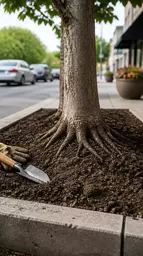 Did you know that proper soil management can significantly enhance the health of urban trees? Unders
 As winter approaches, it’s not just people who need to prepare for the cold; our trees do too. Wit
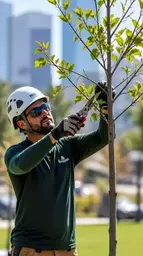 Structural pruning is more than just a gardening technique; it’s a critical practice for nurturing