Sunscald
Caused by temperature fluctuations, leading to cracks and peeling.
Subscribe to get expert tips and the latest insights on tree care and urban greening directly to your inbox.
Posted on: 2026-09-11
By: Keira Vallejo
As winter approaches, it’s not just people who need to prepare for the cold; our trees do too. With various threats lurking in the chill, understanding how to protect these vital urban assets is essential. This article will help you recognize common winter bark injuries and provide actionable steps to support tree health during the season.
Understanding the various types of winter bark damage is crucial for protecting urban trees. Below is a visual representation of the most common types and their characteristics.
Caused by temperature fluctuations, leading to cracks and peeling.
Develop in young trees from sudden temperature drops.
Bark damage caused by animals like deer and rabbits.
Lack of moisture leads to browning leaves and stunted growth.
Symptoms include discolored leaves and dead twigs.
As the cold months roll in, our trees can face some serious challenges. Winter bark injuries are common, yet they often go unnoticed until it's too late. That's why I believe it's essential for all urban dwellers to understand winter bark injury and its impact on our beloved trees. Let’s dive into the specific types of damage that can occur and how we can identify them!
Winter can be harsh, and trees are not immune to its effects. To protect our urban greenery, knowing the types of winter bark damage is crucial. Here’s a look at some of the most common culprits:
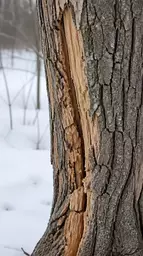
Sunscald occurs when tree bark warms up during sunny winter days and then quickly freezes at night. This temperature fluctuation can cause the bark to crack and peel off. Symptoms include sunken areas or cracks on the south or southwest side of the tree. If you notice signs of sunscald, it’s essential to act quickly to prevent further damage.
Frost cracks typically develop in young or thin-barked trees during sudden drops in temperature. These clefts run vertically down the trunk and can weaken the tree's structure. It's vital to monitor trees for frost cracks, as they can leave the tree vulnerable to pests and diseases! For more insights into seasonal tree care, check out our seasonal urban tree care guide.
As urban areas expand, our trees often become the target of hungry wildlife. Animals like deer and rabbits may chew on the bark, leading to significant damage. To protect your trees, consider using fencing or tree guards, especially during the colder months when food is scarce.
Even in winter, trees can suffer from a lack of moisture, leading to desiccation. This occurs when the soil is frozen and roots cannot absorb water. Signs include browning leaf tips and overall stunted growth. Keeping the soil moist during warmer winter days can help combat this issue!
Frost damage can appear as discolored leaves or dead twigs in the spring. It often occurs when buds are caught off-guard by a late frost. By being vigilant and checking for these symptoms, we can help our trees bounce back effectively once the warmer weather arrives.
Here's a brief recap of the key points discussed so far:
As we step into the chilly months, ensuring the health of our urban trees becomes even more critical. This winter, let's focus on protecting our trees from the harsh elements that can cause damage. By implementing a few essential strategies, we can safeguard the bark and enhance the overall resilience of our beloved greenery. Remember, every little effort counts towards nurturing our urban canopy!
To get started, it’s helpful to create a seasonal checklist tailored to your specific trees and local climate. This way, you can stay organized and ensure no vital steps are overlooked. Here are some key tasks to consider for your winter preparation:
Creating a checklist for winter tree care is a smart way to keep track of your tasks. It allows you to focus on each essential aspect of tree maintenance. Start with basic preparations that will set the foundation for healthy trees throughout the season.
Essential tasks for winter preparation include:
As you progress through the winter, it’s important to monitor and adjust your care practices. Keep an eye on changes in weather conditions, and be ready to adapt your strategies as needed. For more tips on mulching for healthy city trees, explore our detailed guide.
Long-term tree health is paramount, so it’s crucial to adopt best practices that cater to the specific needs of different tree species. Each tree type has unique requirements, especially during winter months.
Species-specific recommendations for winter care include:
Incorporating mulch and ground cover can also play a vital role in protecting your trees. A layer of mulch not only retains soil moisture but also keeps roots insulated from extreme cold. This practice, along with others, contributes to sustainable tree care in cities, ensuring our urban forests thrive for years to come.
Community engagement is a key aspect of promoting tree care practices. I invite you to share your tips and success stories with fellow tree enthusiasts. Collaborative efforts can strengthen our collective knowledge and improve the well-being of urban greenery.
Consider contributing to our Urban Canopy Blog by sharing your experiences. You never know how your insights might help someone else protect their trees!
By building a community knowledge base, we can learn from one another’s successes and challenges. Sharing tips about effective protection strategies can empower others to take action.
Have you discovered a technique that worked wonders for your trees? Or perhaps you faced a challenge that taught you a valuable lesson? Your experiences could inspire others to enhance their tree care routines.
To wrap up, let's address some of the most common questions I hear regarding winter bark protection. Understanding these topics can help you feel more confident in your tree care journey.
Signs of winter bark injury may include discoloration, cracking, or peeling bark. Keep an eye out for any unusual changes, and take action if you notice anything concerning.
Tree wraps can typically be removed in early spring when the risk of frost has passed. Monitor the temperature and look for signs of new growth before deciding to take them off.
While all trees are susceptible to some degree, young trees and thin-barked species are most vulnerable to sunscald due to their less developed protective layers.
To prevent wildlife damage, use tree guards or fencing around young trees, especially during winter when food sources are scarce. Repellents can also be effective but require consistent reapplication.
Desiccation results from a lack of moisture due to frozen ground preventing water absorption, leading to browning leaves. Frost damage, on the other hand, is caused by extreme cold directly harming plant tissues, resulting in discolored leaves and dead twigs.
By sharing this knowledge and engaging in community conversations, we strengthen our commitment to fostering healthier urban ecosystems. Let’s protect our trees together this winter! After all, a thriving urban canopy is a shared responsibility. Are you ready to make a difference? Let's get started!
Here is a quick recap of the important points discussed in the article: