Identifying Nutrient Issues in Trees
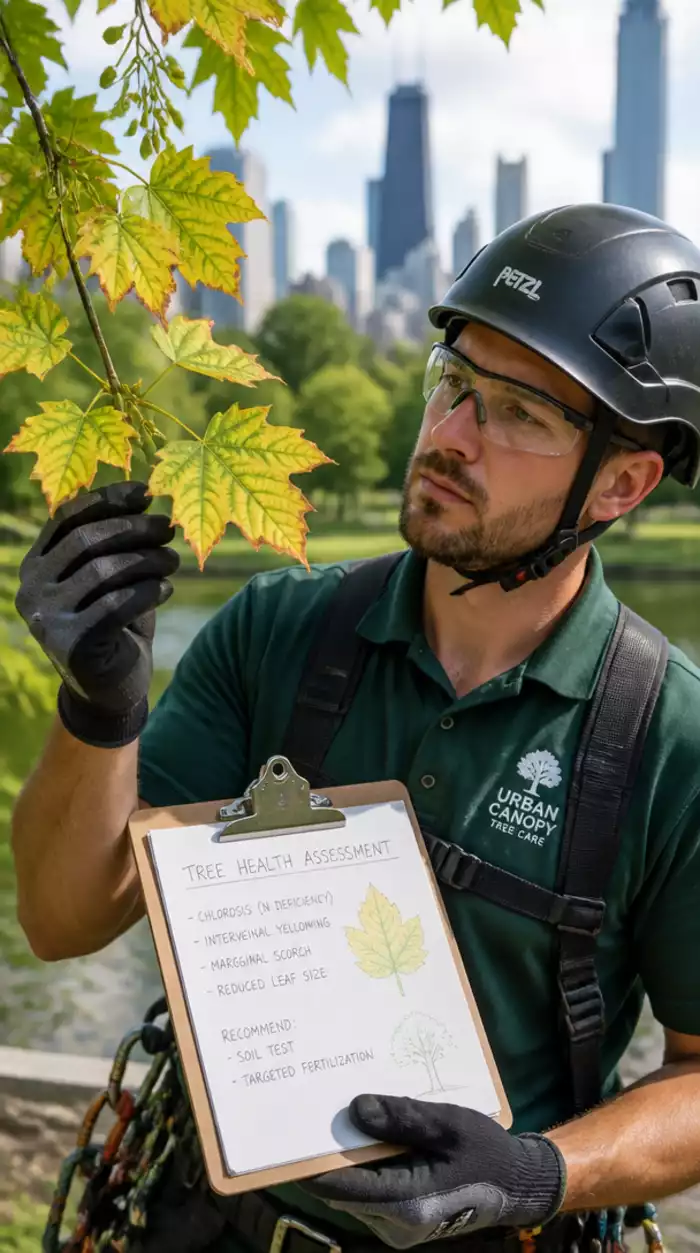
Posted on: 2026-07-17
By: Keira Vallejo
Urban trees are not just decorative elements; they are vital components of our city's ecosystem. The state of these trees can significantly impact urban air quality, aesthetics, and community well-being. How can we ensure that our leafy companions get the care they need amid the challenges of urban life?
What You Will Learn
- Understanding key stressors like pavement stress, root zone compaction, and pollution that affect nutrient availability in urban trees.
- Recognizing the critical importance of diagnosing nutrient deficiencies to maintain tree health and vitality.
- Proactive steps for urban tree care, including soil and foliar testing and the implementation of preventive strategies like mulching.
- The role of urban forestry in enhancing tree canopy, supporting biodiversity, and improving community well-being.
Identifying Challenges and Management for Urban Trees
Understanding the various challenges urban trees face and the proactive management strategies can significantly enhance their health and vitality. For more detailed insights into maintaining robust urban greenery, consider the benefits of professional tree care.
Urban Tree Challenges
- Pavement Stress
- Restricts root growth and water absorption.
- Root Zone Compaction
- Heavy foot traffic or construction can compact soil.
- Pollution
- Disrupts nutrient uptake and harms tree health.
Proactive Management Steps
- Annual Soil Tests
- Monitor nutrient levels regularly.
- Foliar Analysis
- Conduct every couple of years.
- Preventive Strategies
- Incorporate mulching and organic amendments.
Understanding Nutrient Deficiencies in Urban Trees
Urban trees face a variety of unique challenges that can lead to nutrient deficiencies. The harsh conditions of city life—like pavement stress, root zone compaction, and pollution—make it difficult for trees to access the nutrients they need. These issues can stifle growth, making it essential for city dwellers to understand and address these factors to keep urban canopies healthy.
One major stressor is pavement stress. When trees are planted near sidewalks or roadways, their roots struggle to find space and nutrients. This often results in root compaction, which not only limits the tree's ability to absorb water but also restricts access to vital nutrients. It's a tough life for these leafy giants, but with the right care, they can still thrive!
Identifying Unique Challenges Faced by City Trees
Some of the urban-specific stressors impacting nutrient availability include:
- Pavement Stress: This restricts root growth and water absorption.
- Root Zone Compaction: Heavy foot traffic or construction can compact soil, making it hard for roots to spread.
- Pollution: Chemicals from vehicles and industrial areas can disrupt nutrient uptake and harm tree health.
Additionally, urban landscapes often lack organic matter, which is crucial for maintaining soil health. Without sufficient nutrients, trees can struggle to grow, leading to a decline in their overall health. I’ve seen this firsthand in community gardens where trees needed a little extra love and attention to thrive. Understanding soil quality and urban trees is paramount for addressing these issues.
The Importance of Diagnosing Nutrient Deficiencies
Diagnosing nutrient deficiencies is critical for maintaining the health of our urban trees. When trees lack essential nutrients, it can lead to poor growth, increased susceptibility to pests, and even a decline in the overall aesthetics of our city landscapes. A healthy tree not only beautifies our environment but also plays a vital role in improving air quality and providing shade.
Furthermore, understanding the nutrient needs of urban trees can help us enhance the ecological balance within city environments. When we work to provide these trees with the support they need, we also contribute to the well-being of our neighborhoods. It’s amazing how much positive impact one tree can have when it's thriving!
Pro Tip
Did you know? Regularly applying organic mulch around the base of urban trees can significantly improve soil health. Mulch not only retains moisture and suppresses weeds but also gradually adds essential nutrients back into the soil as it decomposes. This simple practice can help mitigate the effects of nutrient deficiencies and support tree vitality.
Frequently Asked Questions About Urban Tree Nutrient Deficiencies
Summarizing Key Insights on Urban Tree Nutrient Deficiencies
Reflecting on the unique challenges urban trees face, it’s clear that diagnosing nutrient deficiencies is crucial. From pavement stress to pollution, these factors can significantly impact tree health and vitality. By understanding these urban-specific stressors, we can better appreciate the importance of nurturing our green allies.
Diagnosing nutrient deficiencies early ensures that our trees remain strong and vibrant, contributing positively to our community’s aesthetics and ecology. The right proactive measures not only enhance tree health but also strengthen the entire urban ecosystem. As someone who has dedicated years to urban forestry, I can’t stress enough how vital this understanding is for everyone involved in tree care. It's also important to remember the urban trees and mental well-being connection, as healthy trees significantly contribute to a healthier populace.
Encouraging Proactive Nutrient Management
Call to Action for City Arborists and Gardeners
As city arborists and gardeners, we have a responsibility to ensure the health of our urban trees. I urge you to embrace regular soil and foliar testing as fundamental practices. This will allow us to catch deficiencies before they become serious issues, leading to healthier trees and more beautiful cityscapes.
Here's a quick list of proactive steps you can take:
- Conduct annual soil tests to monitor nutrient levels.
- Perform foliar analysis at least once every couple of years.
- Implement preventive strategies like mulching and organic amendments.
- Engage with community tree care initiatives to share knowledge.
Further Resources and Support for Urban Tree Care
For more insights and assistance in managing nutrient deficiencies, don't hesitate to tap into local resources. Extension offices and certified arborists can provide invaluable guidance tailored to your specific area. Here are some fantastic resources to consider:
- Your local cooperative extension office for soil testing services.
- Online databases of certified arborists in your region.
- Workshops on tree care offered by community organizations.
- Books and articles on urban forestry practices that discuss nutrient management.
Urban Forestry Practices for Enhancing Tree Canopy and Biodiversity
Urban forestry initiatives play a vital role in boosting tree health and supporting biodiversity. By promoting practices that enhance the tree canopy, we can improve air quality, reduce heat, and provide habitats for wildlife. These efforts not only benefit the trees themselves but also enrich our communities.
Consider these practices to support urban forestry:
- Organize community tree planting events.
- Maintain green spaces with proper nutrient management.
- Encourage biodiversity by planting a variety of native trees.
- Advocate for sustainable urban development that prioritizes green spaces.
By engaging in these practices, we can create thriving urban environments where trees flourish and communities prosper. Let’s work together to make our cities greener and healthier for everyone! For more practical advice on maintaining urban greenery, refer to our guide on summer tree care tips for cities.
Recap of Key Points
Here is a quick recap of the important points discussed in the article:
- Pavement Stress: Urban trees face challenges like pavement stress, which restricts root growth and nutrient absorption.
- Root Zone Compaction: Heavy foot traffic and construction can compact soil, impeding root spread and nutrient access.
- Pollution: Urban pollution disrupts nutrient uptake, negatively affecting tree health.
- Diagnosing Nutrient Deficiencies: Early diagnosis is crucial for maintaining tree health and aesthetics in urban landscapes.
- Proactive Nutrient Management: Implement annual soil testing and foliar analysis to catch deficiencies early.
- Community Engagement: Participate in community tree care initiatives to enhance knowledge and support urban forestry practices.
- Enhancing Urban Biodiversity: Promote biodiversity by planting native trees and advocating for sustainable urban development.

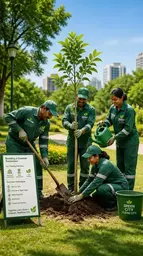 Did you know that trees in urban areas can significantly enhance community health and aesthetics? Wi
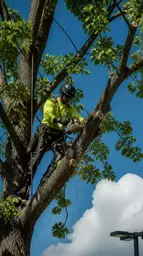 Did you know that proper windproofing of urban trees can significantly enhance their resilience agai
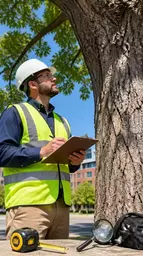 What if a single checklist could protect your property and enhance its value? For property managers,