Early Planning
- Involvement of stakeholders.
- Identifying at-risk trees.
- Developing comprehensive protection plans.
Subscribe to get expert tips and the latest insights on tree care and urban greening directly to your inbox.
Posted on: 2026-03-04
By: Keira Vallejo
Have you ever noticed the difference a single tree can make in a bustling urban environment? Trees are not merely decorations; they serve essential functions that contribute to our well-being and the health of our cities. As we explore the challenges posed by urban construction, it becomes increasingly clear that protecting these green giants is not just beneficial, but necessary for sustainable urban living.
Effective tree preservation involves a multifaceted approach during urban development, focusing on early planning, community involvement, and environmental assessments.
Have you ever stopped to think about how trees fit into our bustling city lives? Trees are not just beautiful; they play a vital role in urban environments. They improve air quality, provide shade, and even reduce noise pollution. By integrating greenery into our cities, we create healthier and happier spaces for everyone!
However, urban construction often threatens these valuable assets. As we develop our cities, we must remember that trees are living organisms that require care and attention. Protecting them during construction projects is essential to maintain the balance in our urban ecosystems. So, let’s explore the significance of safeguarding trees during these crucial times!
Trees contribute significantly to urban life. They act as natural air filters, absorbing pollutants and releasing oxygen, which is vital for our health. Did you know that a single mature tree can produce enough oxygen for two human beings for a day? That's pretty impressive!
In essence, trees are like the lungs of our cities, offering both beauty and essential environmental benefits. As someone passionate about urban forestry, I truly believe that preserving these green giants benefits us all!
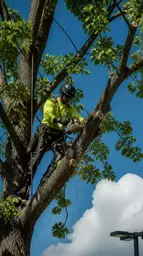
Construction can severely impact urban forestry. When buildings go up, it often leads to tree removal or damage, which can disrupt local ecosystems. Even construction activities that seem harmless can lead to root damage or soil compaction, threatening tree health. For those looking to maintain healthy trees, benefits of professional tree care can be significant in mitigating these risks.
This is why it's crucial to consider trees when planning construction projects. By doing so, we can protect these vital resources and maintain our urban green spaces.
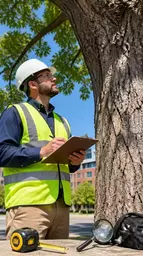
Conducting an environmental impact assessment (EIA) is essential for any construction project. This process evaluates the potential effects of construction on the local environment, including trees. By identifying at-risk trees early, we can implement strategies to preserve them.
Effective tree preservation strategies during the EIA process may include:
At Urban Canopy Blog, I encourage both professionals and homeowners to engage in thorough EIAs, ensuring that our urban forests receive the protection they deserve during construction. By being proactive, we can foster healthier, greener cities!
Did you know that engaging local community members in tree preservation initiatives can dramatically increase the effectiveness of your efforts? By hosting workshops or informational sessions, you can educate citizens about the importance of trees and encourage them to participate in local tree care programs. This community involvement not only fosters a stronger connection with nature but also enhances the likelihood that trees will be protected during construction projects.
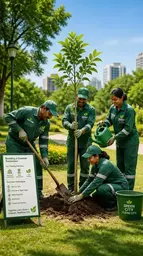
As we wrap up our discussion on tree protection, I want to emphasize the crucial role of early planning and collaboration. It’s vital to involve various stakeholders, like urban planners and local authorities, right from the start. This collaborative approach not only ensures that trees are protected but also fosters a sense of community responsibility towards our urban greenery!
When we establish effective communication and planning schedules, we set the groundwork for successful tree preservation. Remember, trees are not just part of the landscape; they are essential to the health of our urban ecosystems. By prioritizing their care during construction, we can make our cities greener and more livable.
Early planning is like laying the foundation for a strong structure. Engaging with local communities and professionals leads to better strategies for tree preservation. Here are some key benefits of this collaborative effort:
By working together, we can protect our urban forests and enhance the overall quality of life in our cities. It’s about creating a shared vision for greener spaces!
Installing the right tree protection barriers is crucial for safeguarding our urban trees during construction. Effective barriers can significantly minimize damage, so let’s look at some best practices:
Following these practices not only protects our trees but also sends a strong message about the value we place on urban greenery. Plus, it ensures that our city’s landscapes remain vibrant and healthy!
Now, let’s turn our attention to fostering sustainable practices in urban construction. Integrating green infrastructure is not just a trend; it’s an essential part of creating livable cities. By embracing sustainability, we can enhance the resilience of our urban landscapes!
At Urban Canopy Blog, we believe that every construction project should consider its impact on the environment. This is where biophilic design comes into play, allowing us to blend nature with urban development seamlessly.
Green infrastructure includes various practices that help manage stormwater, improve air quality, and provide habitats for wildlife. Here are a few ways to integrate it into urban development:
By incorporating these elements, we can ensure our cities are not just functional but also beautiful and sustainable. It’s a win-win for everyone!
Biophilic design focuses on integrating natural elements into urban spaces. This approach goes beyond aesthetics; it actively improves mental well-being and air quality. Imagine walking through a neighborhood filled with trees, gardens, and green spaces! It’s about creating environments that nurture both people and nature.
So, let’s advocate for biophilic practices in our cities and communities. Together, we can build a future where our urban landscapes thrive alongside their inhabitants!
To truly make a difference, we need to engage with local authorities and stakeholders. It’s essential to advocate for policies that prioritize tree protection during urban development. Here’s how you can get involved:
Every action counts, and together we can inspire change! Let’s unite our efforts and create a greener urban environment for future generations.
As we explore tree protection, I often hear common questions. Let’s address some of these to provide clarity and understanding!
The costs can vary based on the extent of the protection needed. However, investing in tree protection is usually much cheaper than dealing with potential losses later on! Factors influencing costs include:
Ultimately, the cost of prevention is often less than the cost of damage!
Technology has become a valuable ally in protecting our trees. From drones to soil sensors, here are some ways technology can help:
These tools can provide valuable insights and make tree protection more effective!
Environmental regulations play a crucial role in safeguarding our trees during construction. These laws often set standards for tree protection, and compliance is essential for maintaining urban ecosystems. They help ensure that:
Understanding these regulations empowers us to advocate for effective tree protection measures in our communities!
Here is a quick recap of the important points discussed in the article:
To ensure the longevity and health of our urban trees, understanding seasonal urban tree care is also essential. Proper care throughout the year can significantly boost tree resilience against construction-related stresses.