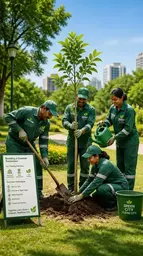
Enhanced Aesthetics
Well-pruned trees improve the overall look of neighborhoods.
Subscribe to get expert tips and the latest insights on tree care and urban greening directly to your inbox.
Posted on: 2026-09-02
By: Keira Vallejo
Structural pruning is more than just a gardening technique; it’s a critical practice for nurturing the health of urban trees, ensuring they thrive in challenging city environments. As urban landscapes continue to evolve, understanding the nuances of tree care can empower communities to enhance their green spaces.
Key advantages of investing in tree pruning practices include improvements in aesthetics, safety, tree health, and environmental contributions. For those looking to ensure the longevity and beauty of their urban green spaces, understanding the benefits of professional tree care is paramount.
Well-pruned trees improve the overall look of neighborhoods.
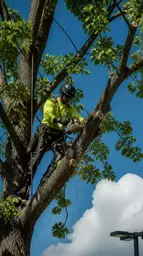
Removing weak or dead branches decreases the risk of falling debris during storms.
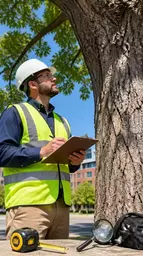
Pruning promotes better airflow and sunlight penetration, leading to robust tree health.
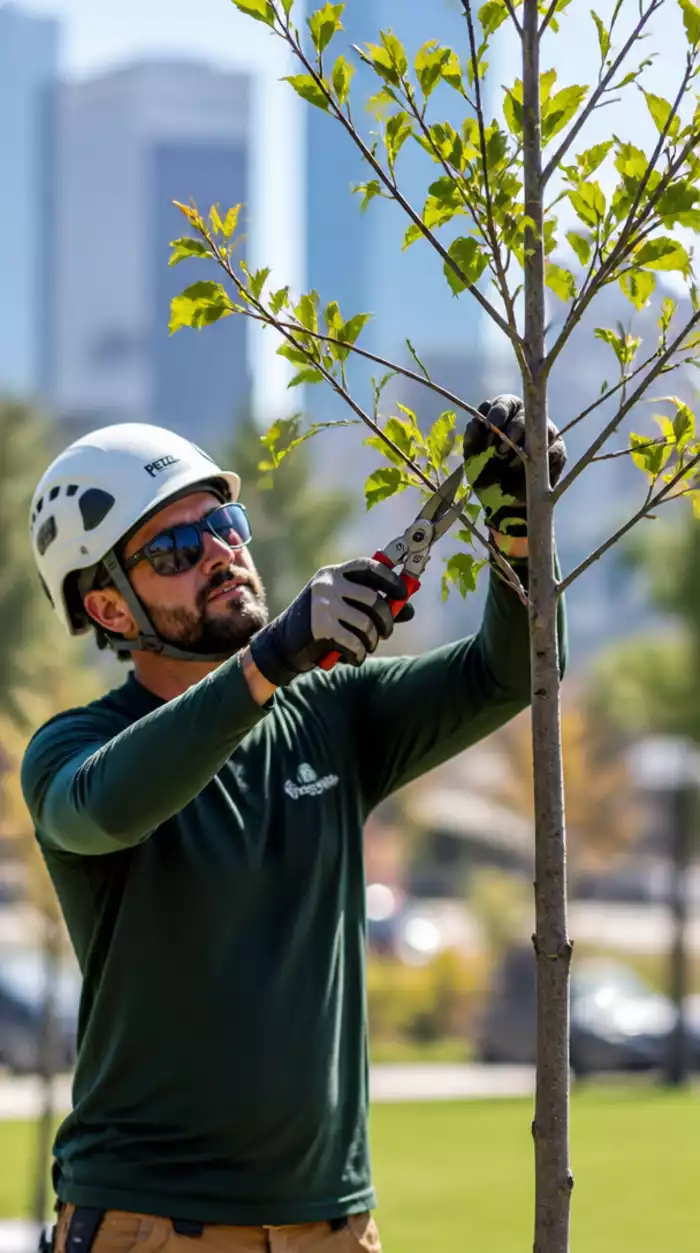
Healthy trees absorb more carbon dioxide, thus improving air quality.
When it comes to caring for young urban trees, structural pruning is a vital practice that shouldn’t be overlooked. It’s all about shaping and guiding the tree as it grows, ensuring it develops a strong and healthy structure. In bustling cities, where trees face unique challenges, this form of pruning becomes essential for their long-term well-being and stability.
Have you ever noticed how trees in urban areas often face cramped conditions? Structural pruning helps us address these challenges by promoting healthy tree development while maximizing the space they have. By focusing on the tree’s foundation during its early years, we can prevent future issues that may arise, such as weak branches or improper growth patterns.
So, why is structural pruning so crucial in urban settings? For starters, it enhances the tree’s overall vitality and resilience against stresses like wind and storms. Trees with strong structures can better withstand these elements, reducing the risk of damage to themselves and surrounding property. This proactive approach to tree care is often highlighted in discussions about pruning urban trees for health.
Moreover, proper pruning encourages healthy growth and improves the tree’s appearance. A well-structured tree not only contributes to the city’s aesthetics but also promotes biodiversity and improves air quality. It's a win-win for both the environment and the community!
Before diving deeper into pruning techniques, let's clarify some important terms. Structural pruning refers to the selective removal of branches to improve the tree's architecture. This differs from regular pruning, which might focus more on aesthetics or maintenance rather than the foundational aspects of the tree.
Understanding tree structure is equally essential. The structure includes the arrangement of branches and the trunk’s form. A healthy structure promotes a strong leader branch, well-spaced scaffold branches, and minimizes potential hazards that arise from poorly formed trees.
In urban forestry, tree pruning plays a significant role in maintaining healthy ecosystems. By focusing on structural pruning, we ensure trees not only survive but thrive in their environments. This is something I am passionate about at Urban Canopy Blog, where I aim to promote awareness about the importance of dedicated tree care. Learning about maintaining urban tree canopies is a crucial part of this effort.
Additionally, pruning helps manage tree health, reducing the spread of diseases and pests that can affect urban greenery. Healthy trees create a ripple effect, benefiting not just their immediate surroundings but also the wider community by providing shade, improving air quality, and enhancing overall quality of life.
Here's a brief recap of the key points discussed so far:
A: Structural pruning is a specialized technique focused on shaping and guiding young urban trees to develop a strong, healthy foundational structure. It involves selective removal of branches to ensure long-term stability and resilience.
A: Structural pruning primarily focuses on the foundational architecture of the tree, especially in its early years, to prevent future issues and promote robust growth. Regular pruning might focus more on aesthetics, maintenance, or removing dead/diseased branches without the same emphasis on long-term structural development.
A: In urban settings, trees face unique stressors like limited space, pollution, and harsh weather. Structural pruning enhances tree vitality, resilience against storms, improves overall health and growth, contributes to urban aesthetics, and promotes biodiversity and better air quality.
A: Long-term benefits include enhanced aesthetics, increased safety (by reducing falling debris), healthier trees (due to better airflow and sunlight), and significant environmental contributions like improved air quality and climate regulation.
A: You can find guidance through university extension services, local arborist associations, online forums, and by contacting local municipalities that often provide tree care programs and regulations.
As we delve into the world of urban forestry, it's essential to recap the importance of structural pruning for young trees. By establishing the right framework, we not only foster healthier growth but also enhance the beauty and safety of our urban landscapes. Implementing proper pruning techniques can drastically improve tree strength, health, and longevity in city environments.
When done correctly, pruning can yield long-term benefits like improved air quality and increased property values. Trees that are well-maintained are less prone to disease and structural issues. Furthermore, they provide vital habitat for urban wildlife and contribute to lowering energy costs through effective shade. Let's take a closer look at the profound impacts that proper tree pruning can have.
So, what exactly are the long-term benefits of investing time and effort into proper tree pruning? Here are some key advantages:
As we embrace the dynamic role trees play in our cities, it's crucial to engage in practices that ensure their vitality. Through proper pruning, we cultivate an urban canopy that thrives and adapts to our environment.
The benefits of well-maintained trees extend far beyond aesthetics and safety. In fact, urban trees provide essential ecological services that contribute to a healthier environment. Here are a few environmental perks to consider:
At Urban Canopy Blog, I believe that every tree cared for is a step toward a greener, more sustainable city. When we prioritize tree maintenance, we not only enhance our urban landscapes but also nurture the environment that sustains us all. To learn more about how trees contribute to urban well-being, explore our insights on urban trees and mental well-being.
Now that we've covered the benefits of structural pruning, it’s time to take action! Engaging with local resources can enhance your understanding of tree care and the specific needs of various species. Let’s explore some practical ways to get started!
Visual aids can significantly enhance your pruning knowledge. Consider these resources:
By taking advantage of these resources, you’ll feel more confident as you care for your trees and contribute to a healthier urban ecosystem.
To ensure that you’re pruning effectively, it’s essential to understand the specific needs of the tree species in your area. Here’s how you can find tailored guidance:
With the right resources, you'll be able to prune with confidence and contribute positively to your urban landscape!
If you’re unsure where to start, reaching out to local municipalities can be incredibly beneficial. They often provide resources and guidelines for tree care, including:
Connecting with your local government can open doors to valuable support and resources that enhance your tree care efforts. For more detailed insights into urban tree management, consider exploring understanding tree preservation regulations.
Lastly, participating in community forestry initiatives can foster a sense of camaraderie and shared responsibility for urban greenery. These initiatives can include:
By becoming involved in community efforts, you’re not only enhancing your skills but also contributing to a thriving urban ecosystem. Let’s work together to cultivate healthier cities, one tree at a time!
Here is a quick recap of the important points discussed in the article: