Cities Encouraging Community Tree Planting
Posted on: 2026-03-14
By: Keira Vallejo
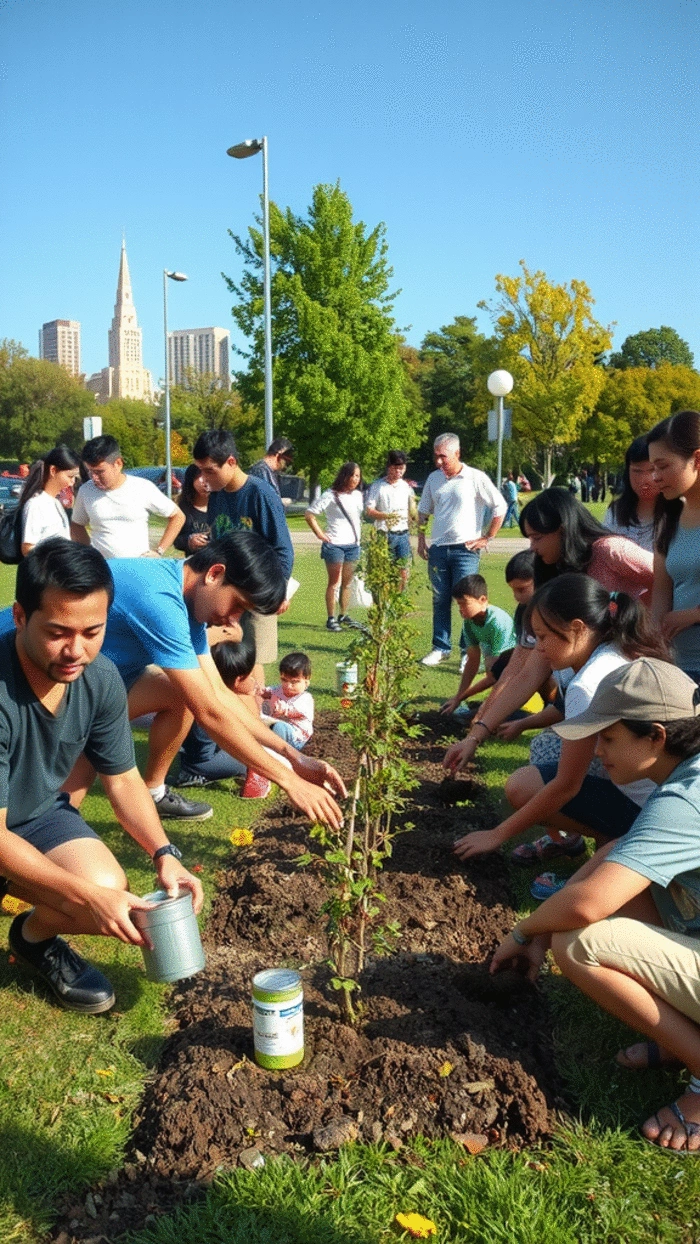
Did you know that trees can significantly enhance the quality of urban life? Engaging communities in tree-planting initiatives is essential for fostering environmental stewardship and improving overall well-being. Let's explore how public participation can lead to a greener future for all.
What You Will Learn
- Public engagement in tree-planting fosters community ownership and responsibility towards the environment.
- Urban forestry enhances climate resilience by improving air quality and reducing energy costs through natural cooling.
- Tree equity is crucial for ensuring all communities can access the benefits of green spaces, promoting health and well-being.
- Urban greening initiatives not only beautify cities but also improve mental health and support biodiversity.
- Community gardens serve as educational platforms that promote sustainability and strengthen neighborhood ties.
- Tracking participation metrics and ROI is essential for evaluating the success of community engagement in tree planting.
- Case studies can effectively showcase the impact of community involvement, inspiring further participation in green initiatives.
- Assessing tree canopy coverage and biodiversity helps maintain the health of urban forests and encourages ongoing community efforts.
Community Engagement Metrics in Tree-Planting Initiatives
Effective tracking of community engagement metrics is crucial for enhancing urban greening efforts. The following visual illustrates key metrics and their impacts.
Returning Volunteers
75%
Long-term participation rate among volunteers.
Return on Investment (ROI)
200%
ROI showcasing benefits from urban greening initiatives.
Tree Canopy Coverage
30%
Average increase in tree canopy coverage over 5 years.
Biodiversity Improvement
50%
Increase in species diversity in urban areas.
Understanding the Importance of Public Engagement in Tree-Planting Initiatives
Have you ever thought about how trees can transform our urban spaces? Public engagement in tree-planting initiatives is vital not just for enhancing our landscapes, but also for building community ties. When residents actively take part in these projects, they foster a sense of ownership and responsibility towards their environment. At Urban Canopy Blog, we believe that every tree planted is a step towards a greener, more vibrant city!
Engaging the community allows for a deeper understanding of local needs and priorities. This collaboration can lead to not only improved urban aesthetics but also stronger social connections among residents. When people feel involved, they are more likely to support ongoing conservation efforts and participate in future initiatives, ensuring that our urban ecosystems thrive. Consider how trees act as a natural cooling solution in our cities, enhancing the importance of these initiatives.
The Role of Urban Forestry in Climate Resilience
Urban forestry plays an essential role in enhancing climate resilience. Trees act as natural air purifiers, absorbing carbon dioxide and releasing oxygen, which is crucial for our health. Additionally, they provide shade, helping to cool city streets during hot summer months. This cooling effect can significantly reduce energy consumption, which is a win for both the environment and our wallets!
Moreover, urban trees help manage stormwater by absorbing rain, which reduces the risk of flooding. They also mitigate the heat island effect, making cities more livable. By investing in urban forestry, we are not just planting trees; we are creating a sustainable future for ourselves and generations to come.
- Improve air quality.
- Reduce energy costs through natural cooling.
- Manage stormwater to prevent flooding.
Defining Tree Equity and Its Impact on Communities
Tree equity is a concept that focuses on ensuring that all communities have access to the benefits provided by trees, regardless of socioeconomic status. It’s critical to recognize that some neighborhoods have far fewer trees than others, leading to disparities in health and well-being. By addressing tree equity, we can work towards healthier communities where everyone can enjoy the shade, beauty, and environmental benefits that trees offer.
Communities with more trees tend to have better air quality, lower temperatures, and even reduced crime rates. It’s important for us, as members of our urban spaces, to advocate for equitable tree distribution. This means ensuring that areas that lack greenery receive the attention and resources they need!
Exploring the Benefits of Urban Greening and Tree Canopy
Urban greening initiatives extend beyond just tree planting; they encompass the overall enhancement of green spaces in cities. A well-planned urban canopy not only beautifies our surroundings but also contributes to improved mental health. Studies show that green spaces can reduce stress and promote physical activity, making our cities healthier places to live.
The benefits of a lush tree canopy are numerous. They help to lower urban temperatures, improve air quality, and provide habitats for wildlife. By investing in urban greening, we are creating a network of green spaces that enrich our lives and the environment. Consider how trees contribute to urban mental well-being as you explore ways to enhance green spaces.
- Enhance mental well-being.
- Encourage physical activity among residents.
- Support biodiversity by providing wildlife habitats.
Community Gardens as a Catalyst for Environmental Awareness
Community gardens are a fantastic way to engage residents in environmental initiatives. They not only provide fresh produce but also serve as educational platforms where individuals can learn about sustainable practices. By participating in these gardens, people can develop a deeper connection with nature and understand the importance of biodiversity in urban areas.
Moreover, community gardens often become social hubs where neighbors can gather, share tips, and build relationships. This sense of community strengthens local ties, making residents more invested in their environment. So, why not explore starting a community garden in your area? It’s a wonderful way to enhance both greening efforts and community spirit!
- Provide access to fresh produce.
- Promote learning about sustainability.
- Foster community relationships and involvement.
Quick Summary
Here's a brief recap of the key points discussed so far:
- Public engagement in tree-planting enhances community ties and environmental stewardship.
- Urban forestry contributes to climate resilience by improving air quality and managing stormwater.
- Tree equity ensures all communities enjoy the benefits of trees, addressing disparities in health and well-being.
- Community gardens foster environmental awareness and strengthen local relationships.
- Measuring the success of initiatives through participation rates and case studies helps improve future efforts.
Measuring Success: Metrics for Community Engagement in Tree-Planting
Measuring the success of community engagement in tree-planting initiatives is essential for understanding our impact and improving future efforts. By tracking specific metrics, we can gauge participation, assess the effectiveness of our outreach, and ultimately enhance our urban forests. At Urban Canopy Blog, we believe that having clear metrics helps us stay accountable to our community and fosters trust and collaboration.
One of the key metrics to track is the long-term participation rate. This involves monitoring how many volunteers return for subsequent events or initiatives. Understanding the returning volunteers helps us evaluate the effectiveness of our engagement strategies. Additionally, calculating the return on investment (ROI) for these programs, including time, resources, and funding, allows us to demonstrate the overall impact of our efforts on urban greening. Ensuring proper professional tree care further enhances this ROI.
Tracking Long-Term Participation Rates and Engagement ROI
To effectively track participation rates, we can implement several strategies. First, consider creating a simple registration system for volunteers. This will allow us to record who participates and gauge their ongoing involvement. Using surveys post-events can also provide valuable insights into the volunteers' experiences and their likelihood of participating again.
- Utilize digital forms for easy sign-ups and tracking.
- Send follow-up surveys to gather feedback on events.
- Analyze volunteer demographics to tailor future outreach efforts.
Additionally, measuring the ROI of our community engagement efforts can provide clarity on which initiatives yield the most benefits. Tracking costs versus long-term benefits, such as improvements in tree canopy, can help demonstrate the value of our programs to stakeholders and sponsors.
Utilizing Case Studies to Showcase Quantifiable Outcomes
Case studies are powerful tools for illustrating the quantifiable outcomes of our community engagement efforts. They provide tangible examples that can inspire both residents and local leaders to get involved. By highlighting successful tree-planting initiatives, we can showcase the positive changes brought about by community action.
- Document specific projects, detailing the goals, actions taken, and results achieved.
- Include before-and-after photos to visually emphasize the impact.
- Share stories of community members who benefited from increased greenery.
Sharing these case studies on the Urban Canopy Blog not only raises awareness but also encourages further participation from locals who can see real-life examples of how their involvement makes a difference. Don't forget to consider tree preservation regulations when planning and documenting these initiatives.
Assessing Tree Canopy Coverage and Biodiversity Benefits
Another vital metric in measuring success is assessing tree canopy coverage and its contributions to urban biodiversity. Regularly evaluating these aspects helps us understand the health and sustainability of our urban forests. We can use tools like aerial imagery or ground surveys to gauge the spread and density of tree canopies over time.
- Conduct tree canopy assessments using satellite imagery or drone technology.
- Monitor the presence of diverse species to evaluate the ecosystem's health.
- Engage local schools or community groups in biodiversity tracking projects.
By focusing on canopy coverage and biodiversity, we not only measure our success but also reinforce the importance of continued community participation in tree-planting efforts. Our collective actions lead to healthier, greener urban spaces that everyone can enjoy!
FAQs about Community Engagement in Tree Planting
- Why is public engagement important in tree-planting initiatives? Public engagement fosters community ownership, environmental stewardship, and strengthens social connections.
- How does urban forestry enhance climate resilience? Urban forestry improves air quality, reduces energy costs through natural cooling, and manages stormwater.
- What is tree equity? Tree equity ensures that all communities, regardless of socioeconomic status, have access to the benefits provided by trees.
- What are the benefits of urban greening? Urban greening enhances mental well-being, encourages physical activity, supports biodiversity, and lowers urban temperatures.
- How do community gardens contribute to environmental awareness? Community gardens provide fresh produce, promote sustainability education, and foster community relationships.
- How can we measure the success of community engagement in tree planting? Success can be measured through participation rates, return on investment (ROI), case studies, and assessments of tree canopy coverage and biodiversity.
Beyond the immediate benefits, consider the long-term effects and how autumn care for urban trees can contribute to sustained success.
Recap of Key Points
Here is a quick recap of the important points discussed in the article:
- Public engagement in tree-planting initiatives fosters community ownership and responsibility towards the environment.
- Urban forestry enhances climate resilience by improving air quality, reducing energy costs, and managing stormwater.
- Tree equity ensures that all communities have access to the environmental benefits of trees, promoting healthier neighborhoods.
- Urban greening initiatives contribute to mental well-being, encourage physical activity, and support biodiversity.
- Community gardens serve as educational platforms, providing fresh produce and enhancing community ties.
- Measuring community engagement success through participation rates and ROI helps improve future initiatives.
- Utilizing case studies showcases the positive impact of community action on urban greening efforts.
- Assessing tree canopy coverage and biodiversity benefits is crucial for understanding the health of urban forests.

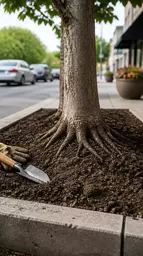 Did you know that proper soil management can significantly enhance the health of urban trees? Unders
 As winter approaches, it’s not just people who need to prepare for the cold; our trees do too. Wit
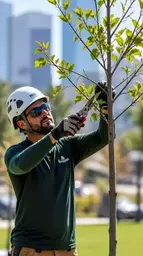 Structural pruning is more than just a gardening technique; it’s a critical practice for nurturing