Tree-Lined Streets and Air Quality
Posted on: 2025-12-02
By: Keira Vallejo
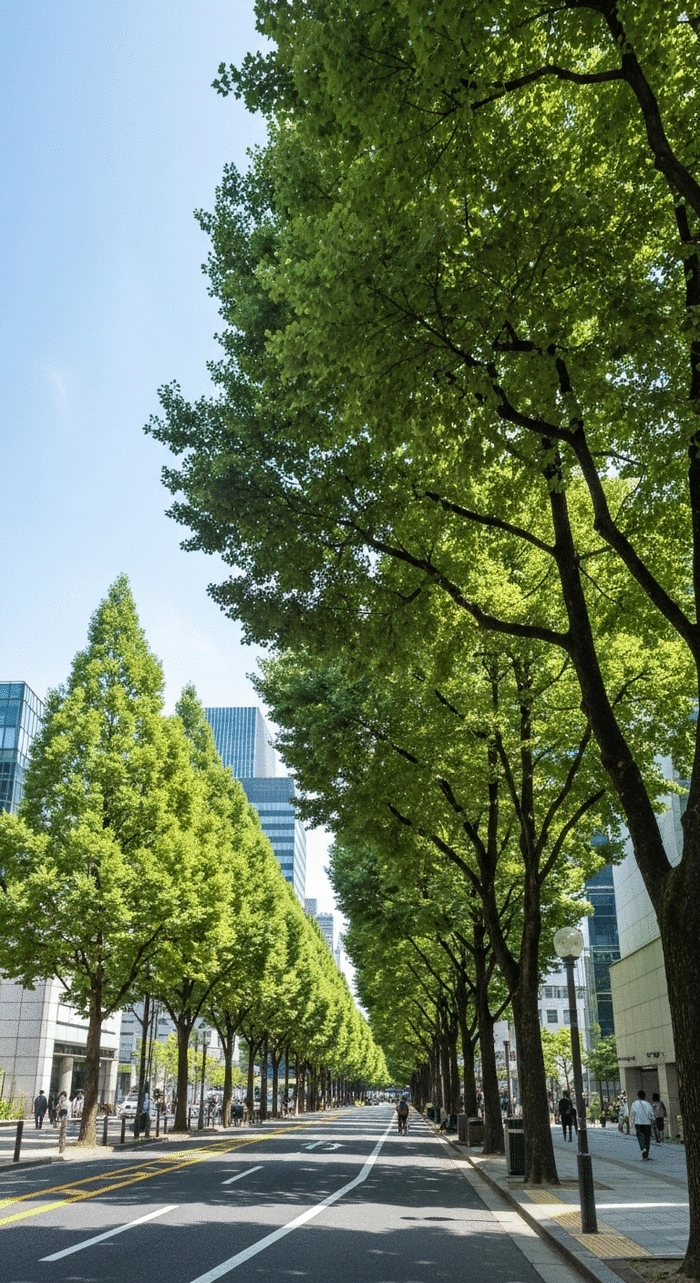
What if the simple act of planting a tree could lead to cleaner air and healthier communities? With urban environments grappling with air pollution, understanding the role of trees is more important than ever. This article delves into the intricate relationship between tree-lined streets and air quality, unveiling insights that can empower communities to take action.
What You Will Learn
- Trees serve as natural air filters, capturing harmful pollutants like PM10 and PM2.5, which are critical for improved urban air quality.
- The design and arrangement of urban spaces significantly influence air quality, highlighting the need for integrated green spaces in city planning.
- Evergreen trees provide year-round air quality benefits, continuing to trap pollutants even in winter when other trees are bare.
- Understanding the street canyon effect is vital to avoid trapping pollutants in narrow spaces formed by buildings and tree canopies.
- Both evergreen and deciduous trees play unique roles in pollution reduction; the choice of tree species can greatly impact overall air quality management.
- Diverse tree species are essential not only for air quality but also for promoting biodiversity and ecosystem resilience in urban areas.
- Urban planners can enhance tree-lined streets by implementing best practices for tree placement, native species selection, and ongoing maintenance.
- Research indicates a positive correlation between increased tree cover and improved public health outcomes, including lower rates of respiratory illnesses.
- Global examples, such as initiatives in New York City and Tokyo, demonstrate the successful integration of trees into urban design, improving air quality and livability.
Impact of Tree-Lined Streets on Air Quality and Health
Tree-lined streets significantly enhance urban air quality by filtering harmful pollutants, with various tree types contributing differently. Below is a visual comparison of pollutant absorption and health benefits from different tree types.
Pollutant Absorption
Trees absorb various pollutants. Evergreen trees are effective year-round.
Health Benefits
- Reduction in respiratory illnesses
- Decreased cardiovascular problems
- Lower stress levels and improved mental health
Increased tree cover correlates with improved community health outcomes.
The Role of Tree-Lined Streets in Air Pollution Reduction
Have you ever walked down a street lined with trees and felt a sense of calm wash over you? It's not just the shade and beauty they provide; these green giants play a crucial role in improving our urban air quality. At Urban Canopy Blog, we believe that understanding the impact of trees on air pollution can inspire communities to plant more and nurture the existing greenery. Let’s delve into the connection between tree-lined streets and air pollution reduction!
Understanding Air Pollution and Its Impact on Urban Environments
First, let’s talk about what air pollution really is and how it affects the places we live. In urban areas, pollution often comes from vehicles, factories, and even construction sites. These pollutants can lead to serious health issues, affecting our lungs and overall well-being. By raising awareness, we can work together to create cleaner and healthier spaces for everyone!
Key Pollutants: PM10 and PM2.5 Explained
Among the pollutants we should be concerned about, PM10 and PM2.5 stand out. PM10 refers to particulate matter that is 10 micrometers or smaller, while PM2.5 is even finer, measuring 2.5 micrometers or smaller. These tiny particles can travel deep into our lungs and even enter our bloodstream, leading to various health issues. Understanding these pollutants helps us appreciate the urgent need for effective solutions like tree planting!
The Connection Between Urban Design and Air Quality
Urban design plays a significant role in shaping air quality. In densely populated areas, the way streets, buildings, and green spaces are arranged can either trap or disperse pollutants. A well-planned, green environment with sufficient tree cover can significantly enhance air quality. It’s like giving our cities a breath of fresh air, making them more livable!
How Tree-Lined Streets Contribute to Pollution Reduction
Now, let's explore how trees specifically help reduce air pollution. Not only do they provide shade and beauty, but they also act as natural air filters. By planting more trees in our neighborhoods, we can create healthier living conditions and reduce the negative effects of pollution!
Mechanisms of Pollution Absorption by Trees
Trees absorb pollutants in several ways. They capture particulate matter on their leaves, which helps reduce the amount of harmful particles in the air. Additionally, trees release oxygen and absorb carbon dioxide, which contributes to cleaner, fresher air. How amazing is that? We can literally plant our way to better air quality!
Benefits of Evergreen Trees in Urban Areas
Evergreen trees, such as pines and spruces, are particularly beneficial in urban areas. They maintain their foliage year-round, which means they can provide ongoing air quality improvements. During winter, when other trees are bare, evergreens continue to trap pollutants and provide essential cover. They’re like the steadfast guardians of our urban air quality!
Seasonal Effects on Pollution Mitigation
It's also essential to consider the seasonal effects on pollution mitigation. Trees can significantly influence air quality not just on a day-to-day basis, but throughout the seasons. In spring and summer, trees fully leaf out, offering maximum air filtration. As the seasons change, understanding these dynamics can help us plan better for a greener future!
Urban Forestry and Green Infrastructure: Enhancing Tree Canopy
Urban forestry and green infrastructure go hand in hand when it comes to enhancing our tree canopy. By integrating trees into city planning, we can improve air quality and overall urban livability. Programs that promote planting and maintaining trees are vital. At Urban Canopy Blog, we’re committed to sharing insights that empower communities to take action!
The Risks of Pollution Trapping in Tree-Lined Streets
While tree-lined streets have many benefits, there are also risks to consider. One such risk is the street canyon effect, where buildings and trees can trap pollutants, leading to poor air quality. It's important to balance the benefits of greenery with the potential for pollution buildup, ensuring we’re fostering a truly healthy environment.
The Street Canyon Effect and Its Implications
The street canyon effect occurs when tall buildings and tree canopies confine air within narrow streets, preventing pollutants from dispersing. This can lead to elevated levels of harmful particles, which can affect the health of residents. By understanding this phenomenon, we can make more informed decisions about urban planning and tree placement!
Balancing Benefits and Risks: A Critical Perspective
Finding the right balance between the benefits of tree-lined streets and the risks associated with pollution trapping is key. We must evaluate urban designs and be proactive in addressing potential issues. With careful planning, we can cultivate environments that maximize **tree benefits** while minimizing the downsides!
Comparing Tree Types for Optimal Air Quality Management
In order to manage air quality effectively, it's important to compare different tree types. Not all trees offer the same level of pollution reduction, so understanding their unique characteristics can help us make informed choices. Let’s dive into the differences between evergreens and deciduous trees!
Evergreen vs. Deciduous Trees: Which Are More Effective?
Both evergreen and deciduous trees have their unique strengths in air quality management. Evergreens provide year-round coverage, while deciduous trees offer broad canopies during summer months. However, deciduous trees can also aid in cooling urban areas, reducing energy consumption. It’s fascinating how each type contributes in its own way!
Factors Influencing Tree Species Selection in Urban Planning
When selecting tree species for urban spaces, several factors come into play, including climate, soil type, and space availability. Additionally, it's essential to consider the tree’s ability to thrive in urban conditions. By prioritizing species that are well-suited for city life, we can enhance the efficacy of our green infrastructure!
Tree Species Diversity and Its Role in Biodiversity Conservation
Diverse tree species contribute to both air quality and biodiversity conservation. By cultivating a variety of trees, we can support various habitats and promote overall ecosystem health. This diversity not only benefits wildlife but also ensures that our urban canopy remains resilient in the face of climate change!
Frequently Asked Questions (FAQs)
- What are the primary pollutants that trees help to filter from the air?
- Trees primarily filter particulate matter (PM10 and PM2.5) and absorb carbon dioxide (CO2), which are common air pollutants in urban environments.
- How do tree-lined streets improve public health?
- Tree-lined streets reduce respiratory illnesses, decrease cardiovascular problems, lower stress levels, and improve overall mental health by filtering pollutants and providing shade.
- What is the "street canyon effect," and how does it impact air quality?
- The street canyon effect occurs when tall buildings and dense tree canopies trap pollutants in narrow streets, preventing their dispersal and potentially worsening air quality.
- Are evergreen or deciduous trees more effective at improving air quality?
- Both types have benefits. Evergreen trees provide year-round filtration, while deciduous trees offer broad canopies for cooling in the summer. The best choice depends on the specific urban environment and goals.
- What are some best practices for urban tree placement to maximize air quality benefits?
- Best practices include choosing native tree species, ensuring adequate spacing for healthy growth, implementing regular maintenance, and considering long-term ecological impacts such as carbon sequestration.
- Can you provide examples of successful urban tree management initiatives around the world?
- Examples include New York City's MillionTreesNYC, Tokyo's Green Plan, and Copenhagen's integration of trees as part of their climate adaptation strategy.
Practical Guidance for Urban Planners and Policymakers
In conclusion, urban planners and policymakers play a crucial role in enhancing tree-lined streets and improving air quality. By adopting best practices, we can nurture greener cities that benefit everyone. Let's explore some practical guidance for making impactful decisions!
Best Practices for Tree Placement and Maintenance
To maximize the benefits of trees, consider the following best practices:
- Choose native species that are resilient and well-adapted to local conditions.
- Plan for adequate spacing to allow for healthy growth and air circulation.
- Implement regular maintenance schedules to ensure trees remain healthy and vibrant.
Long-Term Ecological Considerations in Urban Planning
When planning for the future, it's important to think long-term. Consider how tree placement can contribute to carbon sequestration and climate resilience. Investing in urban forestry now will pay dividends for many generations to come!
Integrating Climate Change Adaptation into Urban Design
Lastly, integrating climate change adaptation strategies into urban design is essential. By embracing sustainable practices and increasing green spaces, we can create urban environments that thrive despite the challenges posed by climate change. Urban Canopy Blog is here to champion these initiatives, encouraging everyone to take part in making our cities greener!
Pro Tip
Did you know that choosing the right tree species can significantly enhance air quality in urban areas? Native trees are often the best choice as they are adapted to local conditions, require less maintenance, and provide essential habitats for wildlife. By prioritizing native species in your community's tree planting initiatives, you can ensure a healthier urban ecosystem and improve air quality more effectively!
Health Implications of Air Quality and Tree-Lined Streets
Have you ever considered how **air quality** can directly affect your health? Living in urban areas, we're often exposed to harmful **PM particles** that can lead to serious health issues. Tree-lined streets can play a vital role in mitigating these risks and promoting a healthier environment. It's fascinating to think about how something as simple as planting trees can lead to significant public health benefits!
Tree canopies act as natural filters, absorbing and trapping harmful pollutants such as **PM10** and **PM2.5**. These fine particles can penetrate deeply into our lungs, causing respiratory problems and other health complications. By enhancing urban greenery, we not only beautify our neighborhoods but also contribute to **healthier air** that supports our well-being. How amazing is that?
Understanding the Health Risks Associated with PM Particles
Exposure to **PM particles** can lead to a range of health issues, including asthma, cardiovascular diseases, and even premature death. The finer the particles, like PM2.5, the more dangerous they can be as they can bypass our body's natural defenses. It's crucial that we understand these risks to appreciate the importance of urban forestry efforts.
One key factor is how trees can mitigate these health risks. They help filter out these harmful particles and improve overall air quality. Imagine taking a walk down a tree-lined street, breathing in fresher air, and knowing that the trees around you are working hard to keep you healthy! Here are some health benefits associated with tree-lined streets:
- Reduction in respiratory illnesses
- Decreased cardiovascular problems
- Lower stress levels and improved mental health
How Trees Help to Mitigate Health Risks from Air Pollution
Besides filtering air, trees provide shade, which can lower urban temperatures, reducing heat-related illnesses. They also encourage outdoor activities by creating inviting spaces for people to gather. When we think about **urban greening**, it's clear that trees are an essential part of public health strategies!
Numerous studies show that areas with more trees experience better health outcomes. One fascinating study indicated that neighborhoods with ample tree cover reported fewer hospital visits related to respiratory issues. This proves that trees contribute not only to the aesthetics of our cities but also to the well-being of their residents.
Empirical Evidence: Studies and Findings on Tree Impact
Research continues to highlight the positive relationship between tree cover and public health. Here are some notable findings:
- Increased tree cover correlates with lower asthma rates among children.
- People living near green spaces report higher levels of physical activity.
- Trees have been shown to lower stress and anxiety through their calming presence.
It's clear that enhancing our urban forests can lead to healthier populations. At Urban Canopy Blog, we are passionate about sharing this knowledge and inspiring communities to plant more trees and nurture our urban landscapes!
Global Perspectives and Case Studies on Tree-Lined Streets
Looking around the world, we can see how urban tree management has transformed cities. For instance, cities like **Singapore** have implemented innovative green infrastructure that integrates trees into their urban design. This not only improved air quality but also enhanced the overall livability of the city. Isn’t it inspiring to see how other regions are taking charge of their green spaces?
Here are a few successful examples of tree-lined streets globally:
- New York City, USA: The MillionTreesNYC initiative aimed to plant a million trees across the city, leading to improved air quality and community health.
- Tokyo, Japan: Their Green Plan focuses on integrating trees into urban settings to combat pollution and provide residents with green spaces.
- Copenhagen, Denmark: The city has embraced trees as part of its climate adaptation strategy, enhancing air quality and urban resilience.
These examples serve as a reminder that cities around the world are prioritizing green infrastructure for the health of their citizens. By learning from their successes, we can take actionable steps toward improving our own urban environments.
Recap of Key Points
Here is a quick recap of the important points discussed in the article:
- Tree-lined streets significantly improve urban air quality by acting as natural air filters.
- Key pollutants, PM10 and PM2.5, pose serious health risks, and trees can help mitigate these effects.
- Urban design and tree placement are crucial in maximizing the benefits of greenery while minimizing pollution trapping.
- Evergreen trees provide year-round air quality benefits, while deciduous trees contribute to cooling urban areas in summer.
- Diversity in tree species enhances both air quality and biodiversity, supporting urban resilience against climate change.
- Best practices for urban planning include selecting native species, planning for adequate spacing, and implementing regular maintenance.
- Research shows that increased tree cover correlates with improved public health outcomes, including reduced respiratory illnesses.
- Global examples illustrate the positive impact of urban forestry initiatives on air quality and community health.
Have you considered professional tree care for your urban trees? Proper maintenance can significantly enhance their health and air-purifying capabilities.

 What if a single checklist could protect your property and enhance its value? For property managers,
 What if the secret to thriving urban gardens lies not just in the flowers we plant, but in the trees
 Did you know that proper soil management can significantly enhance the health of urban trees? Unders