Urban Fruit Trees for Food Security
Posted on: 2025-12-27
By: Keira Vallejo
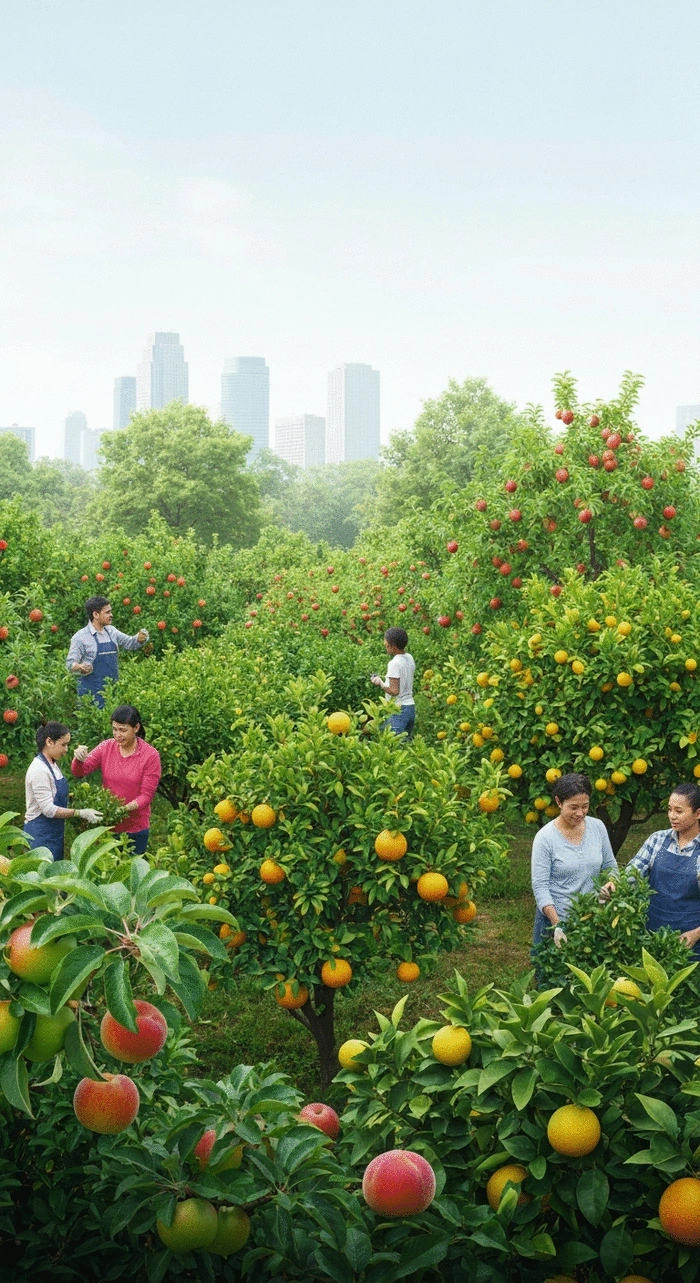
What if the key to combating urban food insecurity lies in our own backyards? Urban fruit trees not only provide fresh produce but also transform neighborhoods into thriving, sustainable communities. Discover how these green assets can redefine urban living and enhance food security!
Key Takeaways
- Urban fruit trees play a critical role in improving food security by providing fresh, nutritious produce directly within communities.
- They help combat food deserts by enabling residents to cultivate their own food sources, fostering self-sufficiency and resilience.
- Engaging communities in planting and caring for fruit trees strengthens social ties and enhances community pride.
- Fruit trees contribute to environmental sustainability by improving air quality, managing stormwater, and supporting biodiversity.
- Educational initiatives can raise awareness about the benefits of urban orchards and encourage participation in local food systems.
- Volunteering and advocacy for urban fruit tree projects can make a significant impact on community health and well-being.
Impact of Urban Fruit Trees on Food Security and Community Health
Urban fruit trees significantly contribute to food security and community well-being through various means.
Fruit Tree Yields
- Apple Trees: 400 to 800 apples/year
- Peach Trees: 150 to 300 peaches/year
- Cherry Trees: 100 to 300 cherries/year
- Pawpaw Trees: 20 to 60 fruits/year
Benefits of Urban Fruit Trees
- Improves access to fresh produce
- Reduces dependency on grocery stores
- Enhances community health
- Promotes self-sufficiency
Long-Term Environmental Benefits
- Carbon Sequestration
- Improved Biodiversity
- Climate Regulation
- Stormwater Management
Understanding the Role of Fruit Trees in Urban Food Security
When we think about cities, we often overlook the potential of fruit trees in addressing food security. Food security means having reliable access to sufficient, safe, and nutritious food. In urban areas, this concept is critical because many communities face challenges like limited access to grocery stores and fresh produce. By understanding the role that fruit trees play, we can better appreciate their importance in cultivating sustainable urban environments.
In cities, food security is not just about having enough food; it's about accessing healthy food options. Urban Canopy Blog emphasizes that incorporating fruit trees into our landscapes can significantly improve food availability. These trees not only provide delicious fruits but also help beautify neighborhoods, making them more inviting. Plus, when communities grow their own food, they build resilience against food price fluctuations and supply chain disruptions.
To keep your trees healthy and producing well, consider the benefits of professional tree care. Regular maintenance can ensure your urban orchard thrives for years to come.
Defining Food Security and Its Importance in Urban Areas
Food security is about ensuring that everyone has enough access to healthy food options. In urban settings, this can be a real challenge due to factors like poverty, transportation issues, and lack of available space for gardens. That’s where urban fruit trees come in! They offer a feasible option for communities to grow their own food, fostering self-sufficiency.
Urban areas often harbor food deserts, which are neighborhoods with limited access to affordable and nutritious food. By planting fruit trees, we can create local food sources that reduce dependence on distant grocery stores. Not only does this help enhance food security, but it also promotes well-being and health among residents. Imagine walking through your neighborhood and picking fresh apples right off the tree!
- Improves access to fresh produce
- Reduces dependency on grocery stores
- Enhances community health and well-being
How Urban Fruit Trees Address Food Insecurity Challenges
Urban fruit trees play a vital role in tackling food insecurity in cities. They provide fresh fruits, which can supplement diets that might otherwise lack sufficient nutrition. Plus, when communities come together to plant and care for these trees, they also strengthen social ties. At Urban Canopy Blog, we believe that nurturing these trees fosters a sense of community and shared responsibility.
Moreover, fruit trees require less space than traditional gardens and yield high returns. Just think about how a single tree can produce several pounds of fruit each season! This can dramatically enhance food availability for households. Here are some ways urban fruit trees directly address food insecurity:
- Provide a consistent source of fresh food
- Encourage community involvement in food production
- Serve as educational tools for sustainable practices
For those new to urban gardening, summer tree care tips can be incredibly helpful in ensuring your trees thrive during the warmer months.
Exploring Food Sovereignty Through Urban Agriculture
Food sovereignty is about the right of people to define their own food systems. Urban fruit trees can play a crucial role in supporting this concept. By enabling communities to grow their own food, we empower them to make decisions that directly affect their health and well-being. At Urban Canopy Blog, we’re excited to see how these trees can transform urban landscapes into thriving food sources.
When neighborhoods take charge of their food production, they can prioritize local needs and preferences. This leads to a diverse range of fruits that reflect the community's cultural heritage. Furthermore, engaging in urban agriculture allows residents to learn valuable skills while fostering pride in their surroundings. Here are some benefits of exploring food sovereignty with fruit trees:
- Empowers communities to control their food sources
- Encourages biodiversity in local ecosystems
- Promotes healthier eating habits and lifestyles
Interactive Poll: Your Thoughts on Urban Fruit Trees
We'd love to hear your opinion! How do you see the role of fruit trees in your community? Select one of the options below:
Looking Ahead: The Future of Urban Food Security Through Fruit Trees
As we gaze into the future of urban landscapes, the presence of fruit trees stands out as a beacon of hope for enhancing food security. These green giants not only provide sustenance but also contribute to a resilient ecosystem. Imagine a city where fresh fruits are just a few steps away, reducing reliance on commercial produce and fostering self-sufficiency!
Long-term, urban fruit trees can significantly bolster climate resilience by improving air quality, reducing urban heat, and capturing stormwater. They're like nature's little superheroes, combating some of the challenges posed by climate change. When communities embrace these trees, they are investing in a future where food security is interwoven with sustainable practices.
To ensure that your trees thrive in the urban environment, consider selecting the right trees for urban spaces.
Long-Term Benefits of Urban Fruit Trees for Climate Resilience
Urban fruit trees offer numerous long-term benefits that enhance city living, including:
- Carbon Sequestration: Trees absorb carbon dioxide, helping mitigate climate change.
- Improved Biodiversity: Fruit trees attract various pollinators and wildlife, enriching urban ecosystems.
- Climate Regulation: They help moderate temperatures, creating cooler microclimates.
- Stormwater Management: Trees reduce runoff by absorbing rainwater, decreasing flooding risks.
By integrating fruit trees into urban design, we can create more resilient cities that thrive despite environmental challenges. It's truly a win-win for both residents and nature!
Quantifying the Impact: How Many Servings Can a Single Tree Provide?
Let’s break down the numbers! One fruit tree can yield a surprising amount of produce, supporting both individual households and the community. Consider the following:
- Apple Trees: Can produce 400 to 800 apples per year.
- Peach Trees: Yield about 150 to 300 peaches annually.
- Cherry Trees: Often provide around 100 to 300 cherries each season.
- Pawpaw Trees: Can produce 20 to 60 fruits per year!
Each tree can significantly contribute to local food supplies, making a meaningful difference in urban food security. It’s fascinating to think that the simple act of planting a tree can provide dozens of meals for families!
Addressing Food Deserts Through Urban Agriculture Initiatives
Food deserts—areas with limited access to affordable and nutritious food—pose a serious challenge in many urban environments. Urban fruit trees can play a pivotal role in addressing this issue by fostering community-based agriculture. Here’s how:
- Creating Community Gardens: Residents can come together to cultivate fruit trees and share the harvest.
- Engaging Local Schools: Educational programs can teach children about growing food right in their neighborhoods.
- Building Awareness: Initiatives can raise awareness about the availability and benefits of urban orchards.
- Partnering with Local Organizations: Collaborations can enhance resources and support for those in need.
By planting fruit trees in these underserved areas, we can create a more equitable food system that nourishes both body and community. It’s inspiring to see how urban agriculture can transform lives and landscapes!
Understanding how trees enhance mental well-being can help further promote the importance of these green spaces in urban communities.
Engagement and Action: Encouraging Community Participation
Community involvement is key to realizing the potential of urban fruit trees! When individuals come together, they can cultivate a culture of sustainability and healthy living. So, how can you get involved?
How Individuals Can Get Involved in Local Orchard Projects
Joining local orchard projects is easier than you might think! Here are some simple ways you can participate:
- Volunteer: Lend a hand during planting days or maintenance sessions.
- Advocate: Speak up for the benefits of urban fruit trees in your community meetings.
- Share Knowledge: Host workshops or share your tree care tips online.
- Donate: Support local initiatives through fundraising or direct contributions.
Your engagement can make a huge difference in promoting greener, healthier cities. Every little effort counts!
Frequently Asked Questions
- How do urban fruit trees improve food security?
Urban fruit trees provide fresh, nutritious produce directly within communities, improving access to healthy food options and reducing reliance on grocery stores. - What are food deserts, and how do urban fruit trees help?
Food deserts are areas with limited access to affordable and nutritious food. Urban fruit trees help combat this by enabling residents to cultivate their own food sources, fostering self-sufficiency and resilience. - How does community involvement enhance the benefits of urban fruit trees?
Engaging communities in planting and caring for fruit trees strengthens social ties, enhances community pride, and ensures the sustainability of urban orchards. - What environmental benefits do urban fruit trees offer?
Fruit trees contribute to environmental sustainability by improving air quality, managing stormwater, supporting biodiversity, and sequestering carbon. - How can I get involved in promoting urban fruit trees in my community?
Individuals can volunteer at local orchard projects, advocate for urban fruit tree initiatives in community meetings, share tree care knowledge, and donate to support local projects. - What is food sovereignty, and how do fruit trees relate to it?
Food sovereignty is the right of people to define their own food systems. Urban fruit trees support this by empowering communities to grow their own food, prioritize local needs, and make decisions that directly affect their health and well-being.
Creating Awareness: The Role of Education in Promoting Urban Orchards
Education is a powerful tool in fostering a love for urban orchards. Here’s how we can increase awareness in our communities:
- Workshops: Organize informative sessions about the benefits and care of fruit trees.
- School Programs: Collaborate with local schools to incorporate tree planting into their curriculum.
- Social Media Campaigns: Use online platforms to highlight successful urban orchard projects.
- Community Events: Host festivals that celebrate local produce and educate residents about sustainable practices.
By making education accessible, we inspire others to appreciate and nurture urban greenery!
Volunteer Programs to Support Urban Fruit Tree Planting
Volunteer programs can effectively mobilize community members to take action! Consider these options:
- Tree Planting Events: Join initiatives that focus on planting new fruit trees throughout the city.
- Maintenance Days: Participate in regular upkeep of existing orchards to ensure their health and productivity.
- Community Workshops: Help organize and lead educational workshops to teach others about caring for fruit trees.
- Partnerships with Local Groups: Collaborate with schools and non-profits to expand your reach.
These volunteer opportunities not only improve our urban landscapes but also build community ties. It’s a fantastic way to connect with others who share your passion!
Conclusion: Taking Steps Towards a Sustainable Urban Future
In summary, urban fruit trees are vital for enhancing food security in our cities. They provide fresh produce, promote sustainability, and create community pride. Together, we can foster urban environments that are not only greener but also healthier!
Summarizing the Impact of Fruit Trees on Urban Food Security
Fruit trees hold the power to transform urban landscapes by:
- Boosting local food production.
- Improving environmental quality.
- Strengthening community bonds.
- Addressing food insecurity.
We must advocate for their inclusion in urban planning and support initiatives that promote their growth. At Urban Canopy Blog, we’re committed to sharing insights that encourage sustainable practices in our communities!
Call to Action: Join the Movement for Greener, Healthier Cities
Are you ready to be part of the solution? Join us at Urban Canopy Blog as we work together towards nurturing urban landscapes filled with fruit trees! Whether you plant a tree, volunteer, or simply share knowledge, every action counts. Let’s collaborate to make our cities greener and more vibrant—because a healthy community starts with healthy trees!
Recap of Key Points
Here is a quick recap of the important points discussed in the article:
- Fruit trees enhance urban food security by providing reliable access to fresh produce.
- They reduce dependence on grocery stores, particularly in food deserts, fostering self-sufficiency in communities.
- Urban fruit trees encourage community engagement and strengthen social ties through shared gardening efforts.
- They promote food sovereignty, empowering communities to control their own food systems and preferences.
- Fruit trees contribute to climate resilience by improving air quality, managing stormwater, and supporting biodiversity.
- Community involvement is essential; individuals can volunteer, advocate, and educate others about the benefits of urban fruit trees.

 What if a single checklist could protect your property and enhance its value? For property managers,
 What if the secret to thriving urban gardens lies not just in the flowers we plant, but in the trees
 Did you know that proper soil management can significantly enhance the health of urban trees? Unders