Managing Leaf Drop in Cities
Posted on: 2026-08-26
By: Keira Vallejo
In today's urban landscapes, effective management of leaf drop not only enhances aesthetic appeal but also plays a critical role in safeguarding public safety and environmental health. With increasing urban tree populations, understanding how to manage leaf fall is essential for creating thriving communities.
What You Will Learn
- The importance of effective leaf management for protecting urban waterways and preventing flooding.
- How maintaining clear sidewalks and streets contributes to public safety and reduces slip hazards.
- The environmental benefits of managing leaf drop, including improved air quality and enriched soil health.
- Challenges faced in urban leaf management, such as leaf accumulation in storm drains and high foot traffic areas.
- The significance of community involvement and proactive communication in maintaining cleanliness and engagement.
- Ways to educate the public about leaf management through visual aids and FAQs to promote better practices.
- How sustainability education initiatives, such as workshops on composting, can empower residents to take action.
- The vital role of collaboration among residents and local governments in effectively managing leaf drop.
Key Aspects of Effective Leaf Management
Understanding the benefits of effective leaf management helps create cleaner and safer urban environments. For more insights on maintaining urban greenery, check out our guide on the benefits of professional tree care.
Stormwater Protection
70%
Reduces flooding and maintains clean waterways.
Public Safety
50%
Minimizes slip hazards for pedestrians and cyclists.
Environmental Health
60%
Enhances biodiversity and improves air quality.
Understanding Leaf Drop Management in Busy Urban Environments
Managing leaf drop in urban areas is more important than ever! With the increasing number of trees in cities, effective leaf management can play a significant role in maintaining a clean and safe environment. At the Urban Canopy Blog, I believe that understanding how to manage this natural process not only protects our stormwater systems but also enhances public safety and supports overall environmental health.
As leaves accumulate on streets and sidewalks, they can cause various issues that impact our daily lives. For example, if storm drains become clogged with fallen leaves, it can lead to hazardous street flooding. This rainwater overflow can endanger pedestrians and drivers alike. That’s why I’m passionate about sharing effective leaf management strategies that benefit everyone in our communities!
The Importance of Effective Leaf Management
Effective leaf management is crucial for several reasons. First, it helps protect our urban waterways by preventing debris from entering storm drains. This reduces the likelihood of flooding while also maintaining water quality. Second, keeping sidewalks and streets clear of leaves contributes to public safety by minimizing slip hazards for pedestrians. Lastly, a well-maintained urban landscape with manageable leaf drop enhances environmental health, promoting biodiversity and cleaner air. These efforts align with broader goals of maintaining healthy urban environments, as explored in our article on trees and urban sustainability.
When municipalities take action on leaf management, the benefits extend beyond just aesthetics. Implementing efficient strategies can lead to improved air quality and support local wildlife habitats. It’s a win-win for everyone involved! Here are some key aspects of effective leaf management:
- Stormwater protection – Ensures clean waterways and reduces flooding.
- Public safety – Minimizes slip hazards for pedestrians and cyclists.
- Environmental health – Enhances biodiversity and air quality.
Identifying the Unique Challenges of Urban Leaf Drop
In busy urban settings, leaf drop comes with its own set of challenges. One common issue is the accumulation of leaves in storm drains, which can quickly cause blockages. During heavy rain, this can lead to water backup and flooding, creating unsafe conditions on the roadways. Urban areas with high foot traffic face significant challenges in keeping pedestrian paths clear as well.
Additionally, fallen leaves can create unsightly messes, leading to the perception of neglect in our communities. Coupled with the difficulty in managing leaf collection in densely populated areas, these challenges require thoughtful planning and action. To tackle these issues effectively, we must focus on:
- Regular maintenance – Schedule routine clean-ups in high-traffic areas.
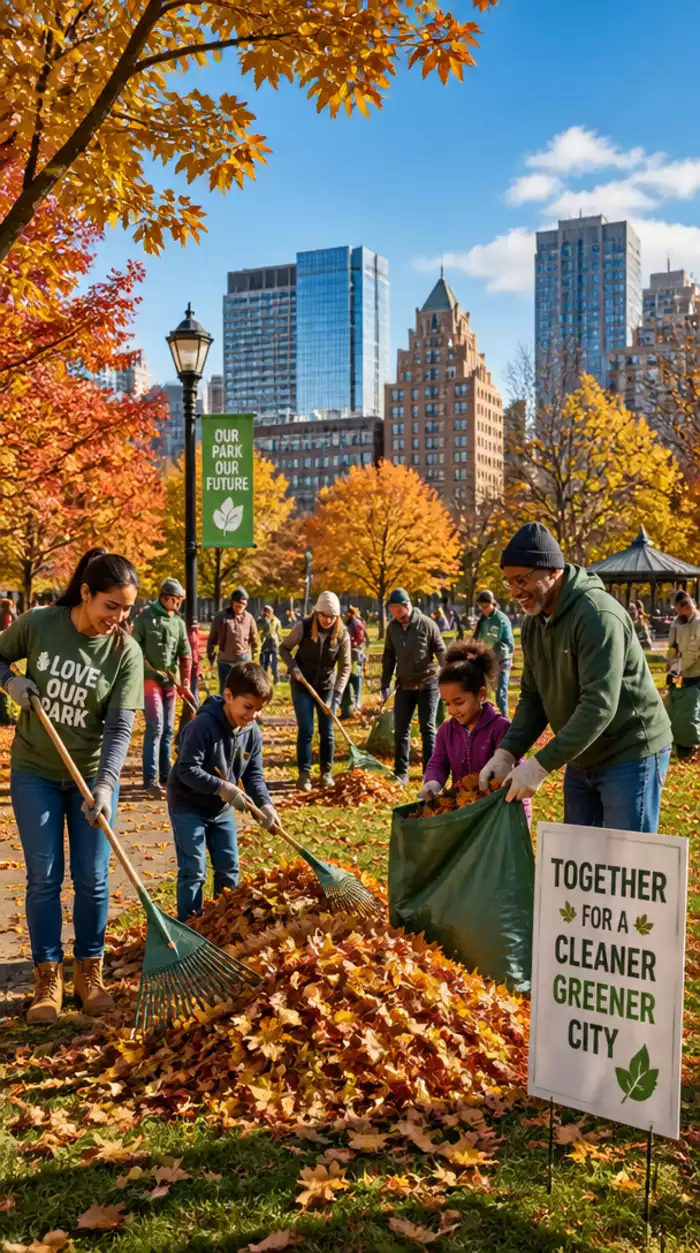
- Community involvement – Engage residents in helping to keep their neighborhoods clean.
- Proactive communication – Inform citizens about collection schedules and best practices.
Environmental Impact of Leaf Management Practices
Managing leaf drop is not just about aesthetics; it also has a significant impact on our environment. By effectively managing leaf drop, we can improve air quality and soil health, which are vital components of urban ecosystems. For example, decomposing leaves can enrich the soil, promoting healthier plants and trees throughout the city. This also ties into broader efforts to improve
Subscribe & Share

 Did you know that proper windproofing of urban trees can significantly enhance their resilience agai
 What if a single checklist could protect your property and enhance its value? For property managers,
 What if the secret to thriving urban gardens lies not just in the flowers we plant, but in the trees