Urban Tree Care: Safety vs. Preservation
Posted on: 2026-11-24
By: Keira Vallejo
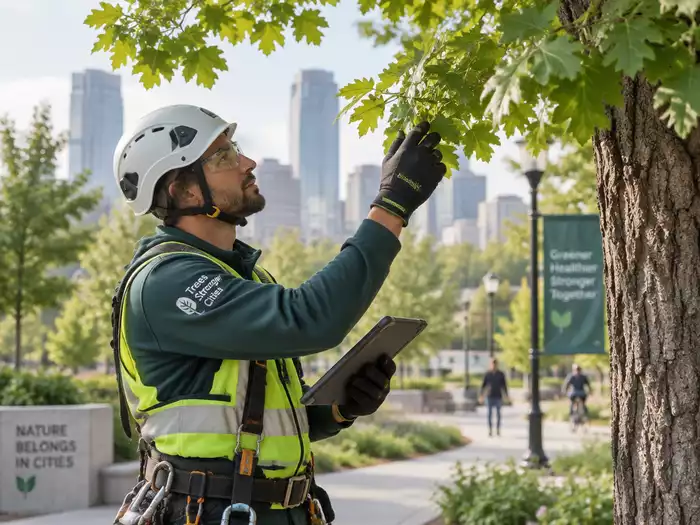
Urban trees serve as essential pillars of our communities, offering ecological, aesthetic, and social benefits. However, they also pose safety risks, making the balance between safety and preservation crucial. Understanding how to care for these trees can greatly enhance both their health and our urban environments.
What You Will Learn
- The importance of regular health assessments for urban trees to identify potential hazards.
- Pruning techniques that enhance tree safety by removing dead or damaged branches.
- The role of healthy soil in supporting tree growth and resilience in urban settings.
- How urban trees contribute to community health by improving air quality and providing green spaces.
- Key risks associated with urban trees, including falling branches and root encroachment.
- Benefits of urban forestry, such as enhanced biodiversity and climate mitigation.
- Practical tools like checklists and visual aids to assist homeowners and arborists in tree care.
- The significance of community engagement through workshops and tree planting initiatives to foster local stewardship.
- Common FAQs that clarify urban tree safety and preservation practices, boosting confidence in tree care.
Key Aspects of Urban Tree Care
Understanding the balance between safety and preservation in urban tree care is crucial for community health. This comprehensive approach ensures that our urban green spaces thrive while mitigating potential risks, making our cities safer and more beautiful. To delve deeper into maintaining ideal conditions, consider exploring the summer tree care tips for cities.
Safety Aspects
- Health Assessments
- Pruning Dead/Damaged Branches
- Managing Diseased Trees
- Preventing Falling Branches
Preservation Aspects
- Promoting Tree Health
- Soil Management
- Enhancing Biodiversity
- Climate Mitigation
Understanding the Importance of Balancing Safety and Preservation in Urban Tree Care
When we talk about urban tree care, we’re diving into a world where safety and preservation must go hand in hand. It’s not just about keeping our trees looking good; it’s about ensuring they thrive in our bustling cities while keeping our communities safe. The challenge lies in striking a balance between maintaining these magnificent living structures and addressing any risks they might pose.
At Urban Canopy Blog, I believe that understanding the significance of safety and preservation standards is vital for anyone involved in urban forestry. By learning how to care for trees properly, we can enhance the beauty of our neighborhoods while ensuring that they remain safe for everyone who enjoys them. Let's explore these concepts together!
Defining Urban Tree Care: Safety vs. Preservation
Urban tree care encompasses various practices aimed at maintaining tree health, safety, and aesthetics. Safety focuses on preventing hazards, such as falling branches or diseases that could threaten the stability of trees. On the other hand, preservation emphasizes keeping trees healthy and thriving for future generations. Understanding these practices can also highlight the benefits of professional tree care, especially for complex urban environments.
Here are some key aspects to consider when defining urban tree care:
- Health Assessments: Regular evaluations help identify any potential issues.
- Pruning: This involves removing dead or damaged branches to promote safety.
- Soil Management: Healthy soil supports tree growth and resilience.
Understanding these aspects allows us to create a more holistic approach to urban tree management. It’s about ensuring that our trees not only survive but flourish in the urban environment.
The Role of Urban Trees in Community Health and Safety
Mature urban trees play a crucial role in enhancing our communities. They provide numerous ecological, aesthetic, and social benefits that contribute to the overall health of urban areas. For example, trees improve air quality, reduce heat, and create inviting spaces for people to gather.
However, with these benefits come potential risks. It’s important to recognize how trees can sometimes pose safety concerns, such as:
- Falling Branches: Storms can weaken tree limbs, posing a risk to pedestrians.
- Diseased Trees: Trees affected by pests or diseases may become unstable.
- Encroaching Roots: Roots can damage sidewalks or underground utilities.
By understanding the balance of these factors, we can appreciate how to best manage urban trees for the benefit of the community. At Urban Canopy Blog, we’re committed to sharing insights on how to keep our trees healthy and our neighborhoods safe!
Urban Forestry and Its Benefits
Urban forestry is the practice of managing trees and forests in urban settings. It’s a vital part of creating healthy, sustainable city environments. Through urban forestry, we not only preserve trees but also enhance biodiversity and strengthen urban ecosystems.
Here are some key benefits of urban forestry:
- Enhanced Biodiversity: Urban trees provide habitats for various wildlife.
- Climate Mitigation: Trees help cool cities, reducing the urban heat island effect.
- Improved Mental Health: Green spaces promote well-being and reduce stress.
By embracing urban forestry, we contribute to a greener future for our cities. As an urban forestry enthusiast, I’m excited to share more insights on how trees can transform our urban landscapes! For further reading on this topic, consider our post on urban trees and mental well-being.
Quick Summary
Here's a brief recap of the key points discussed so far:
- Urban tree care involves balancing safety and preservation to maintain tree health and community safety.
- Key practices include health assessments, pruning, and soil management to ensure trees thrive.
- Community engagement plays a crucial role in urban forestry, enhancing the bond among residents and fostering a healthier urban environment.
Practical Tools and Resources for Homeowners and Arborists
As we delve into urban tree care, it’s essential to equip ourselves with the right tools and resources. Having practical aids can make a huge difference in assessing and maintaining the health of our trees. This section highlights useful checklists, visual aids, and community programs that can empower both homeowners and arborists. At Urban Canopy Blog, I believe that informed decision-making is crucial for nurturing our urban landscapes!
Checklists and Visual Decision Trees for Urban Tree Care
Using checklists and visual decision trees simplifies the process of assessing tree health and safety. Here are some practical tools to help you get started:
- Tree Inspection Checklist: This includes checking for signs of disease, pest infestations, and structural issues.
- Visual Decision Tree: A flowchart that guides you through the process of determining whether to prune, preserve, or remove a tree based on its condition.
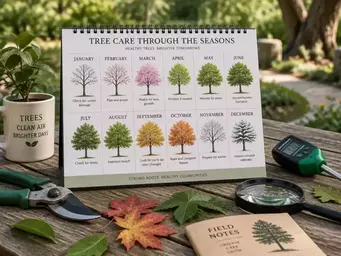
- Maintenance Schedule: A plan outlining when to water, fertilize, or mulch your trees, ensuring they get the ongoing care they need.
By utilizing these tools, you can significantly enhance your ability to care for your trees. They foster a better understanding of what to look for, helping you make informed decisions that prioritize both safety and preservation. Don't hesitate to adapt these resources based on your specific needs!
Community Engagement in Urban Tree Care
Community involvement is a pivotal aspect of successful urban forestry initiatives. When neighbors come together to care for their trees, it creates a sense of ownership and responsibility. Here are some ways to get involved:
- Tree Care Workshops: Participate in or organize workshops that educate residents on tree pruning, watering techniques, and pest management.
- Neighborhood Tree Planting Days: Collaborate with local organizations to plant new trees and enhance green spaces in your community.
- Community Awareness Campaigns: Share information about the benefits of trees through social media, flyers, or local events to raise awareness.
Such community engagement not only strengthens the bond among residents but also enriches our urban environment. As someone passionate about urban forestry, I find that these collective efforts create a more vibrant and healthy city for everyone. For detailed guidance on seasonal practices, refer to our seasonal urban tree care guide.
FAQs About Urban Tree Safety and Preservation
It’s normal to have questions about urban tree safety and preservation. Let’s address some common inquiries:
Frequently Asked Questions
Here are some common questions about urban tree safety and preservation:
- How often should urban trees be inspected for safety? It's recommended that urban trees undergo regular inspections at least once a year by a qualified arborist to identify potential hazards early.
- What are the main risks associated with urban trees? Key risks include falling branches, root encroachment causing damage to infrastructure, and instability due to disease or pests.
- How does pruning contribute to tree safety? Proper pruning removes dead, diseased, or weak branches, reducing the risk of them falling and improving the tree's overall structural integrity.
- What role does soil health play in tree preservation? Healthy soil provides essential nutrients and a stable foundation, promoting strong root development and overall tree resilience against urban stressors.
- How can communities get involved in urban tree care? Community engagement can involve participating in tree planting events, attending workshops on tree maintenance, and supporting local urban forestry initiatives.
These FAQs can help clarify any uncertainties you might have, ensuring you feel confident in your approach to urban tree care. Remember, your trees’ health reflects the overall well-being of our urban communities!
Recap of Key Points
Here is a quick recap of the important points discussed in the article:
- Balancing Safety and Preservation: Urban tree care requires a careful balance between maintaining tree health and ensuring community safety.
- Regular Health Assessments: Conducting routine evaluations and inspections is essential for identifying potential hazards and ensuring tree stability.
- Community Engagement: Involving local residents in tree care initiatives fosters a sense of responsibility and enhances urban green spaces.
- Utilizing Practical Tools: Checklists and visual decision trees help simplify the process of assessing tree health and guide maintenance decisions.
- Understanding Risks: Awareness of potential safety concerns, such as falling branches and diseased trees, is crucial for effective urban tree management.
- Benefits of Urban Forestry: Urban trees enhance biodiversity, improve air quality, and contribute positively to community health and well-being. For more on this, consider reading about trees, key to urban sustainability.

 Urban trees serve as essential pillars of our communities, offering ecological, aesthetic, and socia
 Ever considered how the health of your trees can impact the environment around you? With seasonal tr
 Did you know that a well-supported tree can significantly improve air quality and provide vital habi