Root Severance
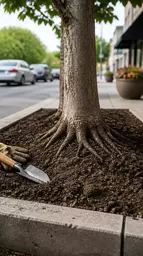
Cuts roots, destabilizing trees and impeding moisture/nutrient absorption.
Subscribe to get expert tips and the latest insights on tree care and urban greening directly to your inbox.
Posted on: 2026-07-04
By: Keira Vallejo
Construction activities can lead to various detrimental effects on trees, including root damage, soil issues, and physical injuries. Below is a visual representation of the key impacts of construction on tree health.
Cuts roots, destabilizing trees and impeding moisture/nutrient absorption.
Heavy machinery compresses soil, reducing aeration and inhibiting root growth.
Equipment may scrape bark and limbs, creating entry points for pests.
When it comes to construction, the last thing on many people's minds is the impact it can have on our leafy friends—the trees! Unfortunately, construction activities can lead to significant damage to these vital urban elements. For instance, root severance is a common issue, where heavy machinery cuts through the tree’s root system, leading to instability. Additionally, soil compaction can restrict the roots' access to water and nutrients, ultimately harming the tree's health. Understanding these impacts is crucial for effective tree protection during construction.
As an urban forestry expert, I’ve seen firsthand how construction can disrupt the delicate balance of urban ecosystems. Trees, much like us, thrive in a healthy environment. When their roots are compromised or their surroundings become compacted, they struggle to survive. That’s why understanding the potential impacts of construction on trees is essential for anyone involved in a project.
Let’s dive deeper into the specific effects construction can have. Aside from root damage and soil issues, construction can lead to physical injuries to trees, such as bark damage from equipment. The disruption of water and nutrient supply can also cause stress, leading to leaf drop and even tree death in severe cases. Here are the main impacts:
Protecting trees during construction is not just about saving a few branches; it’s about preserving the overall health of our urban environment. Trees contribute significantly to our quality of life by improving air quality and providing shade. So, we must take the necessary steps to shield them from construction-related harm.
Have you ever thought about the *real* value trees bring to our cities? Aside from their beauty, trees play a crucial role in our ecosystem. They provide habitats for wildlife, improve air quality, and even help lower energy costs by cooling our surroundings. By protecting these leafy giants during construction, we’re investing in a healthier, more sustainable urban landscape. For more on how trees enhance well-being, read about urban trees and mental well-being.
Proper tree protection leads to long-term benefits that go beyond aesthetics. Healthy trees enhance property values and can even lead to reduced healthcare costs by promoting mental well-being. As someone who deeply believes in nurturing urban greenery, I urge everyone involved in construction to prioritize tree protection. It’s not just a responsibility; it’s an opportunity to contribute to our community's health and beauty.
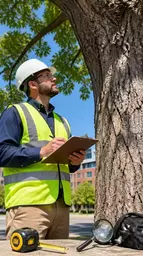
Did you know? Implementing a pre-construction tree health assessment can be crucial in identifying potential issues early. This proactive approach not only ensures better tree preservation but also helps in planning effective protection strategies, which can save time and costs during construction.
When embarking on any construction project, understanding the legal landscape regarding tree protection is key. Local regulations often outline strict guidelines to ensure trees are safeguarded during such activities. As a resident or contractor, it's crucial to familiarize yourself with the specific mandates issued by your city forester. This includes securing the necessary permits and undergoing compliance checks before work begins!
Ignoring these regulations can lead to serious consequences, both for the trees and the project itself. Not only can violations result in hefty fines, but they can also delay your construction timeline. By proactively engaging with local authorities and following their guidelines, you can navigate the process smoothly, leaving more time for essential tasks. Remember, the goal is to protect our urban greenscapes while bringing your vision to life!
Each city or municipality typically has a unique set of rules governing tree protection. It’s essential to start with the following steps:
By understanding these components, you not only fulfill your legal obligations but also contribute to a greener urban landscape. Knowledge is power, especially when it comes to preserving our vital tree populations!
Tree damage during construction can have serious repercussions. Beyond the aesthetic and ecological loss, there are potential legal and financial risks that can affect your project. Here’s what you need to keep in mind:
Taking the time to mitigate these risks not only protects the trees but also your project’s integrity. It’s a win-win situation when we prioritize tree safety alongside construction efforts! For further reading on related topics, see our article on understanding tree preservation regulations.
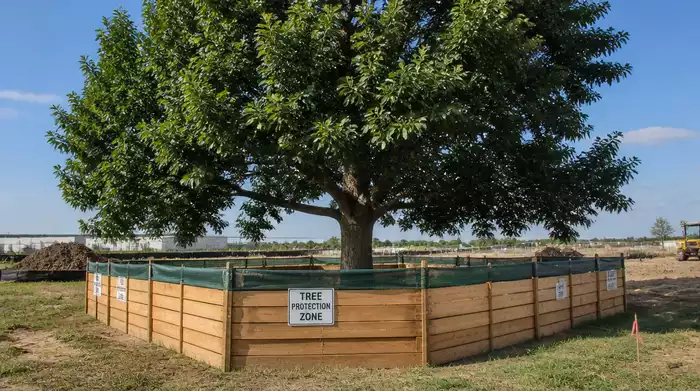
In today’s digital age, innovative tools can simplify tree protection planning. Utilizing technology not only enhances efficiency but also improves accuracy in mapping Tree Protection Zones (TPZs). Some exciting options include:
These tools can be incredibly helpful for contractors and homeowners alike. By leveraging technology, we can ensure our urban forests flourish amid development!
To help facilitate effective tree protection, we’ve created a handy checklist. This list will serve as your roadmap to ensure all essential steps are covered before construction kicks off:
By following this checklist, you can help safeguard our precious trees. At Urban Canopy Blog, we believe that taking these steps not only benefits the trees but also enhances the beauty of our urban environments!
In summary, effective tree protection is vital during construction. From understanding regulations to implementing protective measures, each step plays a crucial role in preserving our urban forests. By prioritizing tree safety, we can create a balance between development and nature.
At Urban Canopy Blog, we’re committed to promoting tree care and maintenance practices that support healthier city ecosystems. Remember, investing time into tree protection today leads to a greener, more vibrant community tomorrow!
If you’re unsure about the best practices for tree protection, consider consulting a professional arborist. Their expertise can provide valuable insights and ensure compliance with local regulations. Plus, they can help tailor a tree protection plan that aligns with your specific project needs. Learning about the benefits of professional tree care can help you make an informed decision.
Engaging with a professional not only enhances the likelihood of successful tree preservation but also fosters a sense of responsibility towards our urban greenery. What’s more, it’s a great way to contribute to the beautification of our neighborhoods. Let’s work together for a greener future!
Here is a quick recap of the important points discussed in the article: