Low Severity
Core Aeration
Vertical Mulching
Subscribe to get expert tips and the latest insights on tree care and urban greening directly to your inbox.
Posted on: 2026-09-13
By: Keira Vallejo
Did you know that proper soil management can significantly enhance the health of urban trees? Understanding the intricacies of soil compaction is vital for fostering strong and vibrant urban forests. In this article, we explore the crucial factors that influence soil health and how to combat soil compaction effectively to ensure our trees thrive.
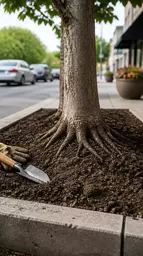
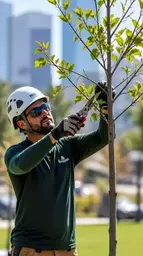
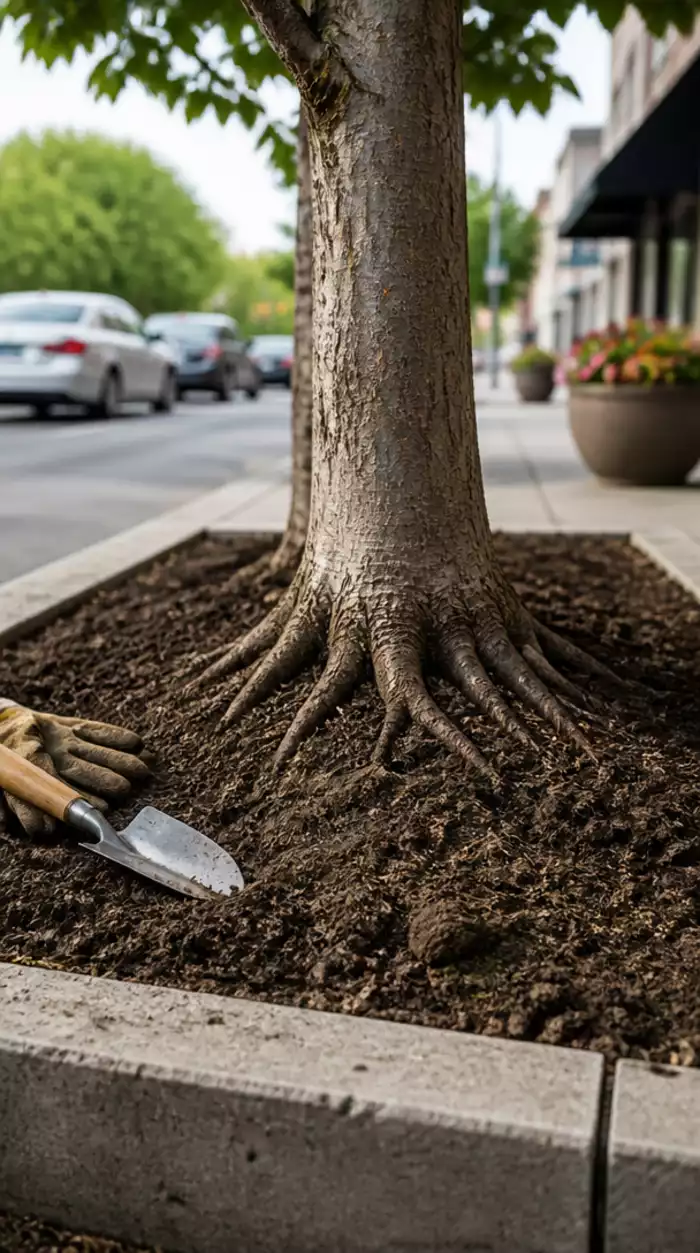
The effectiveness of different remediation methods varies based on the severity of soil compaction, as illustrated below. To ensure the best outcomes, it's crucial to understand the benefits of professional tree care when addressing complex soil issues.
Core Aeration
Vertical Mulching
Radial Trenching
Air Excavation
When we think about caring for our urban trees, one crucial factor often goes unnoticed: soil compaction. This condition can severely impact the health of our trees, primarily by affecting root oxygen levels, drainage, and rooting depth. As someone who has spent years studying urban forestry, I can tell you that compacted soil stifles a tree's ability to thrive, leading to stunted growth and increased vulnerability to stressors.
Soil compaction happens when soil particles are pressed closely together, reducing the pore spaces that allow air and water to circulate. This can cause *roots to suffocate*, limiting their access to the essential oxygen they need. Poor drainage due to compacted soil can lead to water pooling around roots, which can cause root rot. In the long run, these issues can result in a tree that struggles to establish a strong foundation in our urban landscapes.
Managing soil compaction is vital for maintaining the health of street trees. Trees are not just beautiful additions to our city; they also provide crucial benefits such as improving air quality, reducing noise pollution, and creating a pleasant atmosphere. When soil becomes compacted, these urban giants can’t perform at their best! For more insights into how to support their growth, consider exploring a seasonal urban tree care guide.
Here are some key reasons why managing soil compaction is so important:
In urban environments, several factors contribute to soil compaction. It’s essential to recognize these causes to take proactive steps toward mitigation. For example, construction activities, often a necessary evil in city planning, can lead to significant compaction as heavy machinery rolls over the soil.
Other common causes include:
By understanding these common causes, we can begin to appreciate the importance of soil management in our urban forestry efforts. After all, healthy trees contribute to vibrant communities, and that’s what we strive for here at the Urban Canopy Blog!
Here's a brief recap of the key points discussed so far:
When it comes to tackling soil compaction around street trees, it's essential to understand the various treatment options available. Each method can help improve soil structure, allowing your trees to thrive. Here are some of the most effective techniques to consider:
Each method has its unique benefits, and I often find that a combination of techniques works best for different situations. With the right approach, we can help our urban trees regain their health and strength!
Not all soil compaction issues are created equal! Depending on the severity and the specific scenario, different treatment methods may be more appropriate. Here are some guidelines to help you decide:
As an advocate for urban forestry at Urban Canopy Blog, I believe selecting the right treatment based on the severity of compaction is vital for promoting the long-term health of our trees! You can also find more information on how to protect trees during construction to prevent compaction.
To effectively manage soil compaction around street trees, having a checklist can be a game changer! Here’s a practical list of steps for homeowners and municipalities alike:
This checklist can help keep our urban trees thriving. Together, we can ensure they receive the care they need!
Maintaining healthy trees is an ongoing journey! Here are some key recommendations for monitoring tree health and sustaining vitality:
By following these guidelines, we can make a significant difference in the lives of our urban trees. Remember, every effort counts in nurturing a greener city!
If you're feeling overwhelmed or unsure about the next steps, don’t hesitate to consult with experts! Engaging with arborists or soil specialists can provide tailored advice specific to your trees and environment. Here’s how to get started:
Connecting with professionals can help you gain valuable insights and ensure your trees are in the best hands possible!
As urban forestry continues to evolve, so do the techniques we use to manage soil compaction. Here are some innovative methods worth exploring:
By embracing these innovative techniques, we can pave the way for healthier urban environments. Let’s work together to ensure our trees continue to thrive amidst the challenges of city life!
Here are some common questions about soil compaction and its impact on urban trees:
Soil compaction occurs when soil particles are pressed tightly together, reducing the pore spaces needed for air and water. This is detrimental to urban trees as it restricts oxygen to roots, impedes water drainage, and limits root development, leading to stunted growth and increased susceptibility to diseases.
In urban areas, common causes include regular vehicle traffic, the weight of pavements and concrete structures, and consistent foot traffic in green spaces. Construction activities with heavy machinery also significantly contribute to soil compaction.
Signs of compacted soil include stunted tree growth, yellowing leaves, poor water drainage (leading to puddles), sparse root growth near the surface, and a general decline in tree health. A simple soil probe can also indicate how easily it penetrates the soil.
Effective methods include core aeration (removing small soil cores), radial trenching (digging trenches around the root zone), vertical mulching (filling deep holes with organic material), and air excavation (using compressed air to loosen soil without damaging roots).
The choice depends on the severity of compaction. For low severity, core aeration or vertical mulching may suffice. Moderate compaction often benefits from radial trenching. For high severity, air excavation is generally the most effective method as it minimizes root damage.
Regular soil assessments, monitoring drainage, applying mulch to retain moisture and improve soil structure, and limiting heavy traffic around tree areas are essential. Staying informed about seasonal tree care practices also helps.
If you're unsure about the severity of compaction, the best treatment method, or if your trees show significant signs of stress despite your efforts, it's advisable to consult with certified arborists or soil specialists. They can provide tailored advice and advanced solutions.
Here is a quick recap of the important points discussed in the article: