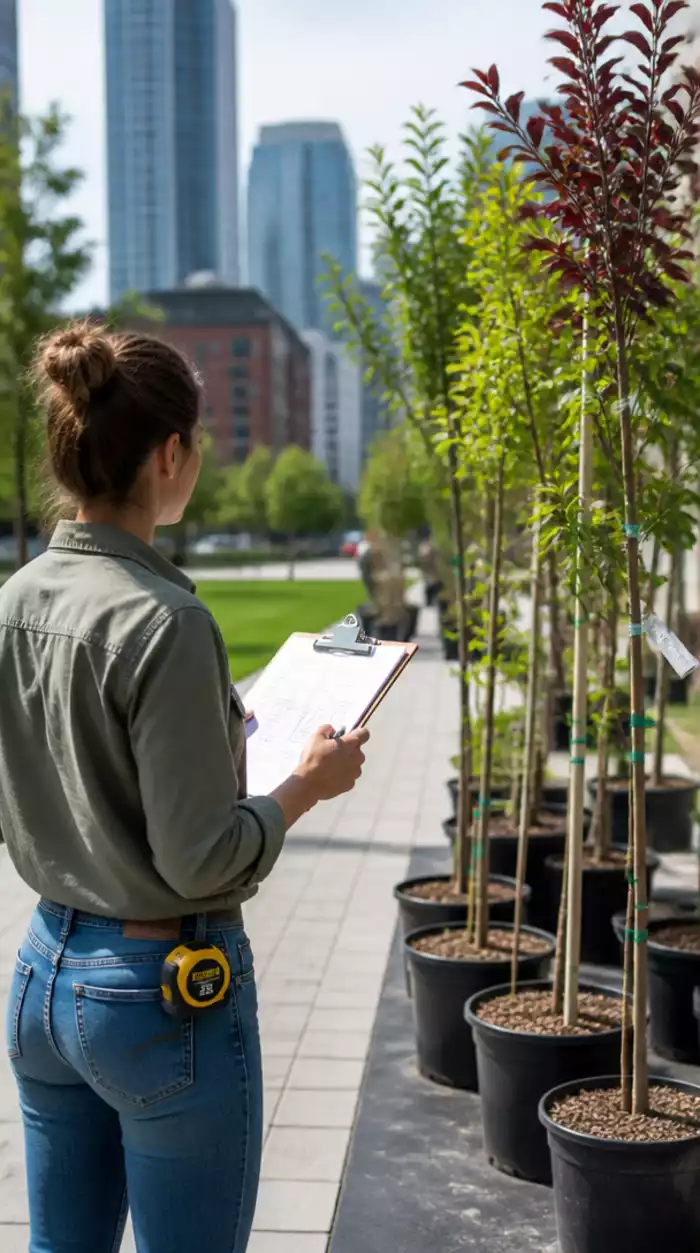
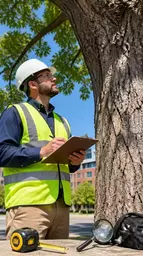
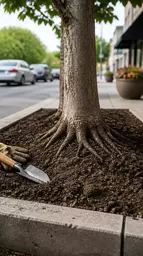
Urban environments can be challenging for trees, yet their success hinges on one crucial factor: the site where they are planted. By understanding the significance of tree planting site assessments, we can ensure healthier urban forests that benefit everyone. Let's explore the essential takeaways that will empower you to make informed decisions in urban tree planting.
What You Will Learn
The importance of site assessments in enhancing tree health and ensuring successful growth in urban environments.
Key factors to consider during an urban tree site assessment, including soil conditions, drainage, and climate factors.
How urban stressors like pollution and limited space impact tree health and what you can do to mitigate these effects.
The role of community engagement in urban forestry and how it fosters a sense of ownership and pride among residents.
Essential steps to conduct a thorough site assessment that sets the groundwork for healthy tree planting.
Resources and tools, including visual examples and GIS mapping, that can aid in effective urban planning and tree management.
Key Steps in Urban Tree Site Assessment
Understanding the essential steps involved in conducting a comprehensive urban tree site assessment is crucial for successful planting. This includes evaluating the soil, checking for above-ground constraints, and understanding climate impacts. For a deeper dive into specific care needs, explore our guide on benefits of professional tree care.
1. Initial Site Evaluation
2. Soil Testing
3. Above-ground Constraints
Understanding the Importance of Tree Planting Site Assessments for Urban Environments
When we think about planting trees in urban areas, it's easy to overlook the importance of choosing the right site. A well-planned tree planting site assessment is essential for ensuring that our leafy friends not only survive but thrive! From soil conditions to climate factors, assessing the planting site helps us create healthier and more sustainable urban environments.
So, what exactly is an urban tree site assessment? Simply put, it’s a thorough evaluation of the conditions in which a tree will grow. This process involves looking at various factors that affect tree health, such as soil quality, available space, and local climate. By understanding these elements, we can make better decisions about where and how to plant trees in our cities.
Defining Urban Tree Site Assessment
Urban tree site assessment involves gathering data on various environmental factors that influence tree growth. This can include evaluating soil conditions, checking for above-ground constraints, and understanding climate impacts. A solid assessment provides a roadmap to ensure that every tree planted has the best chance to flourish. To learn more about optimizing tree health, consider exploring soil quality and urban trees.
In my experience with Urban Canopy Blog, I’ve seen how a good site assessment can turn an ordinary tree planting into a success story! It’s about giving trees the best start possible, leading to healthier canopies and a greener urban landscape. Let’s explore why these assessments are so critical!
Why Site Assessment is Critical for Urban Tree Success
Site assessments are not just a good idea; they’re essential for the success of urban trees. Here are some key reasons why:
Improved Tree Health: By identifying soil quality, drainage, and other factors, we can choose the right tree species that will thrive in specific conditions.
Long-Term Growth: Proper assessments help us anticipate and mitigate potential issues, ensuring trees have the space and resources they need to grow strong over time.
Community Benefits: Healthy trees contribute to cleaner air, reduced heat, and overall improved urban aesthetics, benefiting everyone in the community.
Ultimately, a thorough urban tree site assessment guarantees that our green spaces are more than just pretty; they become vital parts of our city ecosystems! So, let’s take a closer look at the key categories involved in these assessments and what we should consider when evaluating sites for tree planting.
Key Categories in Urban Tree Site Assessment
In my work, I often emphasize that understanding the different categories in urban tree site assessments is crucial. Each factor plays a role in the tree’s ability to survive and thrive in an urban setting. Let’s dive into the important categories you should consider!
Pro Tip
Did you know? Conducting a soil test before planting can significantly enhance the chances of your trees thriving. Testing the soil's pH and nutrient levels helps you understand what amendments may be needed to create an optimal growing environment for your trees.
Common Questions About Urban Tree Planting Site Assessments
When it comes to planting trees in urban spaces, many people have questions about how to get it right! One of the most common inquiries is about the essential steps in a site assessment. Conducting a thorough assessment is key to ensuring our urban trees not only survive but thrive in their environment.
In a nutshell, here are the essential steps you should follow:
Initial site evaluation to identify existing conditions.
Soil testing to determine pH, texture, and nutrient levels.
Assessment of above-ground constraints like utilities and structures.
Evaluation of climate and microclimate factors.
Final site analysis to select appropriate tree species.
By following these steps, you're setting the stage for a successful planting that enhances our urban landscapes!
How Can Modern Urban Stressors Affect Tree Growth?
Urban environments come with their own set of challenges that can impact tree health. Factors such as pollution, limited space, and changing climate patterns can put stress on our leafy friends. Recognizing these modern urban stressors is essential for effective tree management!
Here are some critical stressors to consider:
Air pollution: This can hinder photosynthesis and weaken trees.
Soil compaction: Affects root growth and nutrient absorption.
Limited sunlight: Buildings and structures can block vital light.
Water scarcity: Drought conditions can cause stress and hinder growth.
By understanding these stressors, we can better tailor our tree planting strategies to foster healthier urban forests!
How Does Urban Forestry Contribute to Community Engagement?
Urban forestry is not just about planting trees; it’s about building community! Engaging local residents in tree planting initiatives can foster a sense of ownership and pride. Plus, it gives everyone a chance to learn about the benefits of trees in our cities. Discover more about how cities are encouraging community tree planting initiatives.
Here are a few ways urban forestry enhances community engagement:
Educational workshops: Teach community members about tree care and maintenance.
Volunteer planting days: Encourage families and neighbors to come together and plant trees.
Community events: Celebrate urban greenspaces with festivals and tree tours.
Social media campaigns: Share successes and inspire others to get involved!
As the founder of Urban Canopy Blog, I believe these initiatives are vital for creating a greener, healthier city. Let’s get the conversation going!
Frequently Asked Questions About Urban Tree Planting Site Assessments
Here are some common questions regarding urban tree planting site assessments:
What is an urban tree site assessment?
An urban tree site assessment is a thorough evaluation of the conditions in which a tree will grow in an urban area, considering factors like soil quality, available space, and local climate.
Why are site assessments crucial for urban trees?
Site assessments are critical for improving tree health, ensuring long-term growth by mitigating potential issues, and maximizing community benefits such as cleaner air and reduced heat.
What are the key steps in conducting a site assessment?
The essential steps include initial site evaluation, soil testing, assessment of above-ground constraints (like utilities), evaluation of climate and microclimate factors, and a final site analysis to select appropriate tree species.
How do urban stressors impact tree growth?
Urban stressors like air pollution, soil compaction, limited sunlight due to buildings, and water scarcity from drought conditions can significantly hinder tree photosynthesis, root growth, and overall health.
How can urban forestry promote community engagement?
Urban forestry fosters community engagement through educational workshops, volunteer planting days, community events (festivals, tree tours), and social media campaigns that encourage participation and a sense of ownership.
Tools and Resources for Successful Urban Tree Planning
When it comes to urban tree planting, having the right tools and resources can make all the difference. By utilizing a variety of available materials, we can streamline our planning processes and ensure success! From visual aids to checklists, let's explore some invaluable resources.
Accessing Visual Examples and Downloadable Checklists
Visuals can provide a clearer understanding of what a successful urban planting looks like. Utilizing checklists can help guide you through the site assessment process. Here are some resources to check out:
Online tutorials: Websites offer guides on tree planting techniques.
Printable checklists: Downloadable resources to ensure you cover all aspects of site assessments.
Case studies: Learn from successful urban planting projects.
These tools empower communities to take charge of their urban greenery!
Finding Further Guidance from Urban Forestry Resources
There are numerous organizations dedicated to the growth of urban forestry. They provide resources and expert advice to help us plant trees effectively. Here’s where you can seek guidance:
Local forestry departments: They often have programs and resources tailored to your area.
Non-profit organizations: Many focus on urban greening efforts and can offer support.
Online forums: Connect with other urban forestry enthusiasts for tips and advice.
Leveraging these resources can enhance your urban forestry efforts!
Utilizing GIS Mapping for Tree Inventory and Urban Planning
Geographic Information Systems (GIS) mapping is a powerful tool in urban planning. It helps visualize potential planting sites and track existing trees. Here’s why GIS mapping is beneficial:
Data analysis: Analyze soil types, climate zones, and existing green spaces.
Planting site selection: Identify suitable locations for new trees.
Community outreach: Share maps with residents to encourage involvement in tree planting efforts.
Integrating GIS mapping into urban tree planning can drive smarter, more informed decisions! For additional guidance on optimal planting times, refer to our article on optimal tree planting times.
Summary and Next Steps for Urban Tree Planting Initiatives
As we wrap up our discussion on urban tree planting site assessments, it's clear that thoughtful planning and community engagement are key. By incorporating these strategies, we can create thriving urban forests that serve everyone. Are you ready to take action?
Engaging with Community Efforts for Tree Planting Success
Get involved in local tree planting initiatives! Whether it’s joining a community group or starting your own project, every little bit helps. Remember, you’re not just planting trees; you’re nurturing the future of your urban environment.
Encouraging Adoption of Assessment Practices Among Urban Planners
Advocate for urban planners to adopt comprehensive site assessments. When more professionals prioritize these practices, we can see a significant impact on urban sustainability!
Promoting Public Awareness Campaigns for Urban Green Spaces
Lastly, let's spread the word! Share information about the benefits of trees and the importance of proper assessments. The more people know, the more support we can gather for our urban canopy. For more information on maintaining urban trees, check out our guide on maintaining urban tree canopies.
At Urban Canopy Blog, I’m excited to see our cities flourish with greenery. Together, let’s make a difference!
Recap of Key Points
Here is a quick recap of the important points discussed in the article:
Importance of Site Assessments: A thorough tree planting site assessment is crucial for ensuring the health and sustainability of urban trees.
Key Factors to Consider: Assess soil quality, above-ground constraints, and climate factors to make informed planting decisions.
Essential Steps for Assessments: Conduct initial evaluations, soil testing, assess above-ground constraints, evaluate climate factors, and finalize site analysis.
Modern Urban Stressors: Recognize challenges like pollution, soil compaction, limited sunlight, and water scarcity that impact tree growth.
Community Engagement: Foster community involvement through educational workshops, volunteer planting days, and social media campaigns to promote urban forestry.
Utilizing Resources: Leverage tools like GIS mapping, online tutorials, and local forestry departments for effective urban tree planning.
Urban Canopy Blog is dedicated to nurturing city landscapes by providing expert insights on tree care and the countless benefits they offer. Our mission is to equip urban communities with the knowledge they need to enhance their green spaces.
"Keira’s expertise in urban forestry has transformed my understanding of tree care. Urban Canopy Blog is a must-follow for anyone passionate about greenery!"
"Thanks to Urban Canopy Blog, I learned how to maintain my trees effectively, leading to a healthier yard and happier neighborhood!"
"I used to overlook the importance of trees in urban settings, but Urban Canopy Blog opened my eyes. Highly recommend for all city dwellers!"